

Understanding oil change intervals is essential for engine health. Most modern vehicles require oil changes every 5,000 to 10,000 miles, with some synthetic oils extending to 15,000 miles. Driving conditions matter: normal highway driving allows for longer intervals, while severe conditions—like short trips—demand more frequent changes. Local factors such as Sonoma County’s climate can also affect oil performance. Knowing these details can help you maintain efficiency and protect your investment. There’s more to uncover about ideal oil care.
Why Regular Oil Changes Are Essential for Engine Longevity
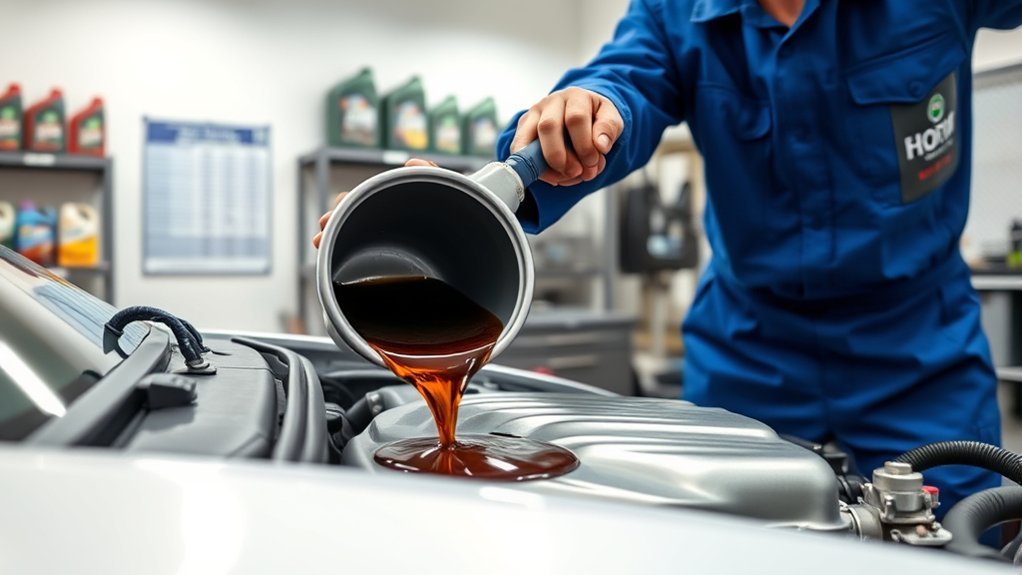
When you neglect regular oil changes, you’re risking serious damage to your engine. Engine performance hinges on effective lubrication; dirty or degraded oil increases friction, leading to overheating and potential catastrophic failure.
Timely oil changes prevent sludge formation, a major culprit in reducing engine efficiency and fuel economy. By adhering to recommended intervals, you can protect your engine’s lifespan, which could otherwise decrease by 30-40% due to increased wear from old oil.
Timely oil changes are essential to prevent sludge, protect your engine’s lifespan, and maintain optimal fuel economy.
Using high-quality synthetic oils can further extend oil life, allowing intervals of up to 15,000 miles without compromising engine health.
Remember, regular maintenance safeguards your investment and guarantees your vehicle runs smoothly. It’s not just about keeping the engine operational; it’s about optimizing performance and achieving a sense of freedom on the road.
What Are the Recommended Oil Change Intervals?
Understanding the importance of regular oil changes leads to a key question: what’re the recommended intervals? Most modern vehicles suggest oil change intervals ranging from 5,000 to 10,000 miles, with some advanced models capable of extending up to 15,000 miles when using synthetic oils.
The old oil change myth of every 3,000 miles is outdated due to advancements in engine technology and oil formulations. Always check your owner’s manual for manufacturer-specific guidelines.
For instance, Ford recommends 10,000 miles under normal conditions and 5,000-7,500 miles for severe use. Your driving conditions greatly influence these oil change recommendations; frequent short trips may require changes at 5,000 miles or less.
Newer vehicles equipped with Oil Life Monitoring Systems (OLMs) provide tailored recommendations based on your driving habits, typically suggesting changes within 5-10% of ideal intervals. Staying informed helps you make the best choices for your vehicle’s health.
The Difference Between Synthetic and Conventional Oil
Choosing the right type of oil for your vehicle is essential, as it can greatly impact engine performance and longevity. Understanding the differences between synthetic and conventional oil helps you make an informed decision.
| Type of Oil | Synthetic Benefits | Conventional Drawbacks |
|---|---|---|
| Change Interval | 7,500 – 15,000 miles | 3,000 – 5,000 miles |
| Temperature Stability | Superior thermal stability, resists breakdown | Prone to breakdown at high temperatures |
| Engine Cleanliness | Advanced additives reduce sludge and deposits | More sludge formation over time |
While conventional oil is cheaper initially, its more frequent changes can add up. In contrast, synthetic oil offers longer intervals and enhanced protection, leading to lower maintenance costs. For high-performance vehicles, synthetic oil is often necessary to meet demanding lubrication needs, ensuring peak performance and engine longevity.
Understanding Normal vs. Severe Driving Conditions for Oil Changes

Engine oil performance is considerably influenced by driving conditions, which can be categorized as normal or severe.
Normal driving typically involves consistent highway travel, allowing the oil to reach ideal temperatures and maintain its protective qualities. On the other hand, severe driving conditions—like frequent short trips, extended idling, and high temperatures—lead to increased oil degradation and contamination.
If your driving habits involve stop-and-go traffic or dusty environments, you’re likely among the 75% of American drivers who fall into the severe category.
For normal conditions, oil change intervals are generally between 7,500 to 10,000 miles. However, if you frequently encounter severe conditions, you should aim for oil changes every 5,000 miles or even sooner.
Understanding these distinctions is essential for maintaining engine health and ensuring your vehicle runs smoothly and efficiently.
How Local Conditions in Sonoma County Affect Oil Change Timing
Local conditions in Sonoma County can greatly influence how often you should change your oil. Daily temperature variations here can lead to condensation in your crankcase, potentially compromising oil integrity and necessitating more frequent changes.
If you live near the coast, the salt air accelerates oil degradation and increases the risk of corrosion, particularly in coastal driving conditions.
In urban areas like Santa Rosa and Rohnert Park, short trips often prevent your oil from reaching ideal cleaning temperatures, which qualifies you for severe service intervals of 5,000 miles or less.
However, if you commute on Highway 101, sustained speeds can extend oil longevity, allowing for normal service intervals of 7,500 to 10,000 miles.
Additionally, mixed driving patterns, especially in rural areas with dust contamination, require you to carefully monitor your oil change intervals to maintain engine health effectively.
Signs Your Vehicle Needs an Immediate Oil Change
How can you tell when your vehicle needs an immediate oil change? First, check your dashboard for the oil pressure warning light. If it’s illuminated, you’ve got insufficient oil pressure and need to seek service quickly.
Next, glance at your dipstick; if the oil appears dark and dirty, it’s time for a change as it’s no longer protecting your engine effectively.
Pay attention to any burning oil smell inside the cabin, which could indicate leaks or consumption issues requiring urgent action.
Additionally, if you see blue or gray exhaust smoke, that’s a sign oil’s burning in the combustion chamber, hinting at potential engine problems.
Finally, listen for unusual engine noises, like knocking or ticking—these often signal severe oil breakdown and necessitate an immediate oil change to prevent costly damage.
Trust your instincts and act promptly for your vehicle’s health.
Should You Change Your Oil Yourself or Hire a Pro?

Deciding whether to change your oil yourself or hire a professional can greatly impact your vehicle maintenance routine.
DIY benefits include saving on labor costs and the freedom to select your preferred oil and filters. However, it requires the right tools and knowledge to guarantee safety and effectiveness. You must also handle used oil disposal responsibly.
On the other hand, professional advantages often include multi-point inspections and documentation, which can reveal potential issues you might overlook. Professionals usually complete oil changes more quickly, around 20-30 minutes, compared to your 45-60 minutes.
Additionally, many services offer warranties, protecting you from liabilities associated with mistakes. Ultimately, weigh your comfort level with DIY tasks against the convenience and expertise of hiring a pro to make sure your vehicle stays in peak condition.
Frequently Asked Questions
Can I Mix Synthetic and Conventional Oil in My Engine?
You can mix synthetic and conventional oil, but it may affect oil compatibility and engine performance. For best results, stick to one type to guarantee your engine runs efficiently and maintains its longevity.
What Happens if I Skip an Oil Change?
If you skip an oil change, your engine experiences increased wear due to oil degradation. This leads to reduced lubrication, overheating, and potential damage, ultimately shortening your engine’s lifespan and increasing repair costs.
How Do I Know When My Oil Is Low?
You can know your oil’s low by checking the dipstick regularly. Look for warning signs like engine noise, oil pressure lights, or dark, gritty oil. Maintaining proper oil level guarantees peak engine performance and longevity.
Is It Safe to Drive After the Oil Change Interval?
Yes, it’s safe to drive after the oil change interval, but consider it a ticking clock. Regular oil changes guarantee peak performance. Follow driving recommendations to maintain oil change safety and keep your engine thriving.
Does Oil Type Affect Fuel Efficiency?
Yes, oil type affects fuel efficiency. Choosing the right viscosity grades and incorporating fuel additives can enhance engine performance, reducing friction and improving combustion. These factors ultimately lead to better fuel economy and a smoother driving experience.
Conclusion
In summary, regular oil changes are essential for maintaining your engine’s health and performance. Did you know that vehicles with proper oil change intervals can last up to 200,000 miles or more? By understanding your driving conditions and the type of oil you use, you can optimize your oil change schedule. Whether you choose to tackle this task yourself or hire a professional, staying proactive can save you from costly repairs down the line.







Leave a Reply