

In 2026, wheel alignment costs in the U.S. usually range from $50 to $225, depending on whether you need a two-wheel or four-wheel service. Two-wheel alignments can cost between $50 and $125, while four-wheel alignments typically range from $125 to $225. To save, consider scheduling alignments during tire rotations and keep an eye out for seasonal promotions. Understanding the costs and factors affecting them can help you make informed decisions about vehicle maintenance and care. There’s more to explore on this topic!
What Is Wheel Alignment and Why Is It Important?

Wheel alignment is an important aspect of vehicle maintenance that directly impacts your driving experience. The alignment process involves adjusting your vehicle’s wheel angles to match the manufacturer’s specifications, ensuring optimal performance and safety.
When you maintain proper alignment, you enjoy several alignment benefits, such as enhanced steering control and improved tire longevity. This means your tires wear evenly, extending their lifespan and saving you money in the long run.
Moreover, correct alignment greatly boosts fuel efficiency by reducing rolling resistance, making your drive not only smoother but also more economical.
Proper alignment enhances fuel efficiency by minimizing rolling resistance, resulting in a smoother and more economical driving experience.
On the flip side, neglecting alignment can lead to uneven tire wear and poor handling, which can increase driver fatigue from constant steering corrections.
To keep your vehicle performing at its best, regular inspections and alignments—ideally once a year or after any notable impacts—are essential. Investing in alignment now pays off in the future.
Signs That Your Vehicle Needs an Alignment?
Driving your vehicle should feel smooth and controlled, but if you notice any unusual behaviors, it might be time to check your alignment. Ignoring alignment symptoms can compromise your driving safety and comfort.
Here are key signs to look for:
- Pulling to One Side: If your car drifts left or right, it’s a clear alignment issue.
- Vibrations in the Steering Wheel: Unwanted vibrations can make your drive uncomfortable and signal alignment problems.
- Crooked Steering Wheel: A steering wheel that’s off-center while driving straight indicates misalignment.
- Uneven Tire Wear: Balding on one edge of your tires means they’re not making contact evenly with the road.
Being aware of these signs can empower you to take action.
Regular checks can verify your alignment is on point, enhancing both your driving safety and overall experience.
What to Expect for Wheel Alignment Costs in 2026
If you’ve noticed any signs of misalignment, getting your wheels checked can save you money in the long run. In 2026, expect average costs for a two-wheel alignment to range from $75 to $125, while a four-wheel alignment typically falls between $125 and $225. Don’t fall for alignment myths; regular checks can prevent uneven tire wear and costly suspension repairs.
Here’s a quick cost comparison:
| Service Type | Average Cost | Factors Affecting Price |
|---|---|---|
| Two-Wheel Alignment | $75 – $125 | Vehicle type |
| Four-Wheel Alignment | $125 – $225 | Geographic location |
| Lifetime Packages | ~ $200 | Service provider |
| Promotions | Varies | Seasonal offers |
| Yearly Checkups | Recommended | Mileage and usage |
Consider exploring promotions or lifetime packages for long-term savings. Understanding these costs empowers you to make informed choices.
Factors That Influence Wheel Alignment Pricing
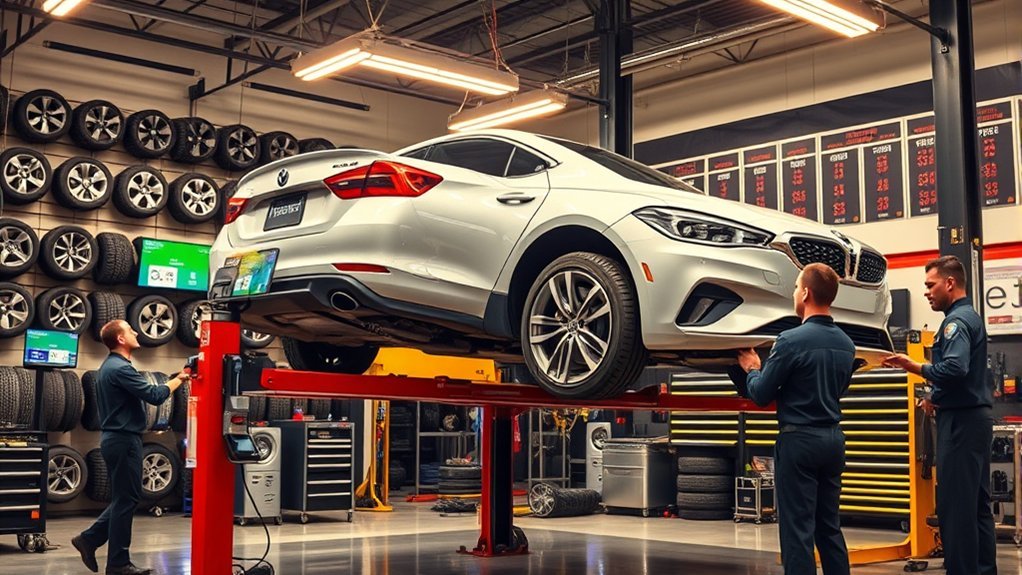
When it comes to wheel alignment pricing, several factors come into play that can affect how much you’ll pay.
The type of vehicle you own, especially if it’s a luxury or performance model, often requires more specialized service, which can drive up costs.
Additionally, where you live greatly influences pricing, as urban areas typically see higher labor rates compared to rural locations.
Vehicle Type Impact
Vehicle type plays an essential role in determining wheel alignment costs, impacting not just the price but also the complexity of the service. Here’s how different vehicles affect alignment pricing:
- Compact Cars: Typically incur lower fees due to simpler alignment needs.
- SUVs and Trucks: Usually require more complex adjustments, raising costs.
- Luxury Vehicles: Face higher expenses from specialized equipment and calibration.
- Suspension Design: Intricate systems demand more time and expertise, increasing total costs.
Understanding these factors can help you anticipate alignment expenses better.
If you drive a compact car, you might find alignment more affordable, while luxury vehicles may require a more considerable investment.
Location and Labor Costs
Understanding how vehicle type influences alignment costs is just the beginning. Location plays a significant role, too. Urban pricing often reflects higher labor costs due to overhead expenses, while rural pricing typically offers more budget-friendly rates. The choice of service provider can further affect the total cost; independent shops usually charge less than dealerships. Here’s a quick comparison to illustrate:
| Location Type | Average Cost Range |
|---|---|
| Urban Areas | $75 – $100 |
| Rural Areas | $50 – $75 |
| Dealerships | $100 – $150 |
| Independent Shops | $50 – $100 |
Regional demand can also influence prices—higher competition may drive costs down. Keep an eye out for local promotions to save even more!
Two-Wheel vs. Four-Wheel Alignment: What’s the Difference?
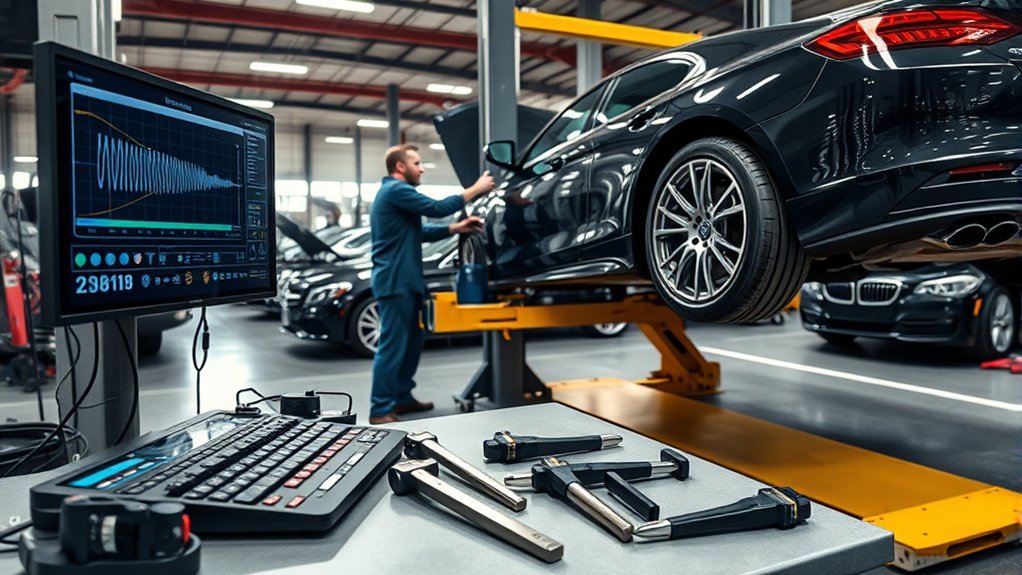
While you might think all wheel alignments are the same, there’s a significant difference between two-wheel and four-wheel alignments that can impact your vehicle’s performance and maintenance costs.
Understanding these alignment types and their adjustment methods is essential for informed decisions. Here’s what you need to know:
Understanding alignment types and their adjustments is crucial for making informed vehicle maintenance choices.
- Two-Wheel Alignment: Adjusts only the front wheels, typically costing between $50 and $75.
- Four-Wheel Alignment: Adjusts all four wheels, recommended for most modern vehicles, costing between $100 and $200.
- Complexity: Four-wheel alignment requires more time and precision, making it generally more expensive.
- Vehicle Design: Older vehicles with solid rear axles may only need two-wheel alignment, while those with independent rear suspensions benefit from four-wheel alignment.
Choosing the right alignment guarantees ideal handling and tire wear, ultimately saving you money in the long run.
Make an informed choice for your vehicle!
How Proper Wheel Alignment Enhances Vehicle Performance
Proper wheel alignment plays an important role in enhancing your vehicle’s performance, as it directly influences steering control and handling. When your wheels are properly aligned, your car responds accurately to your inputs, elevating your overall driving experience. You’ll notice improved handling and a more intuitive connection with the road.
Moreover, regular alignment checks offer significant performance benefits. They extend tire life by ensuring even wear, saving you money on premature replacements. You’ll also enjoy increased fuel efficiency—less rolling resistance means your engine works efficiently, leading to better gas mileage.
Safety is another vital factor; proper alignment boosts braking power and predictability during emergencies, reducing accident risks.
Plus, maintaining correct alignment minimizes vibrations and road noise, enhancing ride comfort. By prioritizing wheel alignment, you not only enhance your vehicle’s performance but also create a smoother, safer journey for everyone on board.
Effective Strategies to Lower Your Wheel Alignment Costs
To keep your wheel alignment costs down, start with regular maintenance checks to catch issues early.
Don’t hesitate to shop around for prices and find the best deal, as independent shops often provide better rates than dealerships.
Also, keep an eye out for promotions that can further reduce your expenses, making alignment services more affordable.
Regular Maintenance Checks
Regular maintenance checks are essential for keeping your vehicle’s wheel alignment in top shape, as they can save you money and extend the life of your tires.
To make the most of your alignment frequency and maintenance benefits, consider these strategies:
- Check your alignment every six months or 6,000 miles to spot issues early.
- Schedule alignments during tire rotations to address multiple services at once.
- Look for service centers offering discounts or promotions on alignment services.
- Invest in a lifetime alignment package if your driving conditions frequently require adjustments.
Shop Around For Prices
Shopping around for prices when it comes to wheel alignment can lead to significant savings, so don’t hesitate to explore your options.
Start by comparing costs among various alignment providers; you’ll find prices ranging from $50 to $200 depending on the type of alignment and the shop’s pricing strategies.
Use mobile apps or websites to aggregate service prices, helping you find competitive rates without overpaying.
Additionally, consider scheduling your alignment during tire rotations to save on labor costs.
If you anticipate needing multiple alignments, a lifetime package priced around $200 might be a wise investment.
Look For Promotions
Have you considered how promotions can dramatically cut your wheel alignment costs?
Exploring promotional strategies is a savvy way to save. Here are some effective methods to uncover discount offers:
- Check Local Ads: Keep an eye on newspapers and online platforms for special promotions.
- Social Media: Follow automotive service centers on social media for exclusive deals.
- Seasonal Sales: Look for seasonal offers, especially in spring or fall, when shops often run promotions.
- Loyalty Programs: Inquire about loyalty discounts or membership benefits that can reduce your costs.
How Often Should You Schedule Your Wheel Alignment?
Scheduling a wheel alignment check at least once a year or every 6,000 miles is vital for maintaining your vehicle’s performance. This alignment frequency helps guarantee your tires wear evenly and your vehicle handles well.
If you hit a pothole or curb, it’s important to check your alignment right away, as these impacts can lead to misalignment.
While you’re getting your tires rotated, take the opportunity to monitor your alignment as part of your maintenance reminders. If you notice your vehicle pulling to one side or see uneven tire wear, don’t hesitate to seek an alignment immediately.
For those who frequently drive on rough terrain or carry heavy loads, consider scheduling alignment checks more often to prevent premature wear.
Frequently Asked Questions
Can I Perform Wheel Alignment Myself at Home?
Yes, you can perform DIY alignment at home using basic tools like a ruler and a level. However, achieving precise results might be challenging without professional equipment, so consider seeking expert help for ideal safety and performance.
How Long Does a Typical Wheel Alignment Take?
A wheel alignment can feel like an eternity, but it typically takes about 30 minutes to an hour. Remember, this alignment duration is vital for your vehicle’s performance and overall driving safety.
Does Wheel Alignment Affect Fuel Efficiency?
Yes, wheel alignment directly impacts your fuel consumption. Proper alignment enhances tire performance, reducing rolling resistance and improving efficiency. When your wheels are aligned, you’ll enjoy better mileage and save on fuel costs in the long run.
Are There Warranties on Wheel Alignment Services?
Yes, many shops offer warranty coverage or service guarantees on wheel alignment. It’s smart to ask about these options, as they can provide peace of mind and protect your investment in maintaining your vehicle’s performance.
Can Uneven Tire Wear Indicate Alignment Issues?
Yes, uneven tire wear often indicates alignment issues. You should regularly check your tire maintenance to catch these alignment symptoms early. Addressing them promptly can enhance your vehicle’s performance and extend tire life dramatically.
Conclusion
To sum up, keeping your wheels aligned isn’t just about smooth rides; it’s essential for safety and vehicle longevity. Remember, “an ounce of prevention is worth a pound of cure.” By staying vigilant for signs of misalignment and scheduling regular checks, you can save money in the long run. With the right strategies, you can keep your alignment costs manageable while ensuring your vehicle performs at its best. Don’t wait; take action and keep your wheels on the right track!







Leave a Reply