

Track day insurance is essential for protecting your high-performance vehicle during non-competitive track events. Unlike standard auto insurance, it covers accidental and fire damage without evaluating fault, but it excludes third-party liability and mechanical issues. Knowing how to value your car and understanding the factors that influence costs can save you money. Join car clubs for discounts and guarantee you’re prepared for track day. Keep going to uncover more key aspects about securing your coverage effectively.
What Is Track Day Insurance and Why Do You Need It?

If you’re planning to hit the track, you need to understand what Track Day Insurance is and why it’s vital for your peace of mind. This specialized policy covers accidental and fire damage to your vehicle during non-competitive track events, safeguarding you against high repair costs that can arise from collisions or damage while pushing your limits.
Unlike standard auto insurance, Track Day Insurance doesn’t include third-party liability coverage, so you’ll need to make sure you have that protection arranged separately.
It’s important for participants, especially beginners, to grasp the specific protections offered, as coverage typically excludes mechanical failures, wear and tear, and personal injury.
To meet insurance requirements, inform your insurer about track events and any additional drivers. Understanding these nuances not only enhances your track day experience but also empowers you to enjoy the thrill without the looming fear of financial fallout.
Key Differences Between Track Day Insurance and Standard Auto Insurance
Understanding Track Day Insurance leads to recognizing its distinct differences from standard auto insurance.
While standard policies generally exclude coverage for incidents on racetracks, track day insurance specifically addresses the unique track day risks you face.
Many insurance myths claim that your regular auto insurance will protect you during these events, but that’s simply not true.
Track day insurance covers accidental and fire damage without considering fault, unlike standard policies that evaluate fault for claims.
Track day insurance provides coverage for accidental and fire damage without fault assessment, unlike traditional auto policies.
However, it’s important to note that track day insurance doesn’t include third-party liability coverage, so you’ll need to obtain that separately.
Additionally, mechanical failures or normal wear and tear won’t be covered under track day insurance, which standard policies typically address.
This makes understanding these differences vital to avoid costly surprises and guarantee you’re adequately protected when you release your vehicle on the track.
What Coverage Options Are Available in Track Day Insurance?
What coverage options can you expect with track day insurance? You’ll find a variety of coverage types tailored to protect your investment during exhilarating track experiences. Most policies cover accidental and fire damage, ensuring you’re safeguarded against costly repairs.
You can also choose optional extras, like worldwide coverage, additional drivers, and specialized protection for modified vehicles. Agreed value coverage is particularly beneficial, allowing you to set your car’s worth for total loss compensation.
Furthermore, many policy options include towing, storage assistance, rental car reimbursement, and even pollutant cleanup.
If you’re transporting your vehicle to and from the track or participating in autocross events, off-track insurance options can extend your coverage.
With these diverse offerings, you can customize your track day insurance to suit your needs and drive with confidence, knowing you’re well-protected on and off the track.
How to Determine the Value of Your Vehicle for Insurance Purposes

When securing track day insurance, accurately determining your vehicle’s value plays an important role in ensuring you have the right coverage.
Start by exploring various vehicle valuation methods, like checking the current market value of similar models in your area. Don’t forget to include any modifications or upgrades; these enhancements can considerably increase your vehicle’s worth and should be factored into your insurance appraisal considerations.
Online tools such as Kelley Blue Book or Edmunds can provide reliable estimates based on your car’s make, model, year, and condition.
It’s essential that your valuation reflects the total replacement cost in case of a total loss, rather than just the purchase price.
Remember to reassess your vehicle’s value regularly, especially after notable modifications or shifts in the market, ensuring your coverage aligns with its current worth and protects your investment on the track.
Factors Influencing Track Day Insurance Costs
When it comes to track day insurance costs, the classification of your vehicle plays a vital role.
Higher-value or riskier vehicles often come with steeper premiums, while your experience as a driver can also sway the rates in your favor.
Vehicle Classification Impact
Since vehicle classification plays an essential role in determining track day insurance costs, understanding how insurers assess your car can save you money.
Insurers evaluate vehicle valuation by categorizing cars based on make, model, modifications, and performance capabilities. Higher-value or high-risk vehicles, like a $70,000 sports car, typically incur increased premiums due to perceived risk and potential repair costs.
Conversely, if your car’s value is below $20,000, you might find that track day insurance costs stabilize, with premiums unlikely to decrease further.
Furthermore, if you’ve got experience driving higher-classified vehicles, insurers often view you as a lower risk, potentially leading to lower rates.
Knowing these factors can empower you to make informed decisions about your insurance options.
Driver Experience Evaluation
Your driving experience plays an essential role in determining track day insurance costs. Insurers conduct an experience assessment to evaluate risk, influencing your premiums considerably.
Here are key factors to take into account:
- Previous track day experience can lower your rates.
- A history of track claims raises perceived risk and premiums.
- Discounts might be available for advanced driving course participants.
- Less experienced drivers typically face higher insurance costs.
- A solid safety record enhances your reputation and can reduce costs.
Cost-Saving Strategies for Track Day Insurance
Looking to save on your track day insurance?
Agreeing to a higher voluntary excess can drastically cut your premiums, making it a smart choice for budget-conscious racers.
Additionally, joining a car club often opens up discounts, offering another way to keep costs down while you enjoy your time on the track.
Higher Voluntary Excess Benefits
Opting for a higher voluntary excess in your track day insurance can lead to significant savings on your premiums. By choosing this insurance strategy, you show insurers you’re willing to share more of the financial risk, which can result in premium reductions of 10% to 30%.
This approach is especially beneficial for those with a solid driving record or lower-risk vehicles. However, it’s essential to guarantee you’re financially prepared to cover the higher excess if a claim arises.
Here are some advantages of this strategy:
- Lower monthly premiums
- Tailored coverage to fit your budget
- Better alignment with your risk tolerance
- Potential for greater savings over time
- Encouragement to maintain a safe driving record
Consider your options carefully!
Join Car Clubs Discounts
Joining a reputable car club can be a savvy move for anyone serious about reducing track day insurance costs. Many insurers recognize the commitment to safe driving within these communities, often leading to significant insurance savings.
Clubs like the Porsche Club have special arrangements with providers that can lower your premium rates. Engaging with multiple car or racing organizations can reveal even more benefits, such as exclusive offers and reduced premiums through collective risk management.
Additionally, insurers often consider the favorable incident records of car clubs when calculating rates, which can further decrease your costs. By leveraging these discounts, you can make track day insurance more affordable, allowing you to focus on what you love—driving.
Key Conditions for Securing Track Day Insurance
When you’re gearing up for a track day, understanding the key conditions for securing track day insurance is essential for a smooth experience.
To guarantee that you’re covered, keep the following conditions in mind:
- The event organizer must have valid public liability insurance.
- Your vehicle needs to undergo pre-event checks to meet safety standards.
- Helmet requirements are mandatory for all drivers, enhancing safety.
- Insurance applies only during non-competitive events; clarify the event type.
- Experienced marshals should be present to oversee safety protocols.
How to Assess Your Track Day Insurance Needs?
How do you know if your track day insurance meets your needs? Start with a thorough vehicle valuation. Evaluate the total worth of your car, including any modifications that could affect coverage. If you’ve taken out loans or have financial obligations, factor those into your coverage assessment—protecting your investment is vital.
Next, consider your driving experience; the more seasoned you are, the lower your premiums might be, as insurers perceive you as less of a risk. Don’t overlook the impact of modifications—upgrades can boost your premiums and alter your coverage options.
Finally, take a close look at the specific events you plan to join. Each may have unique coverage requirements, so verify your policy aligns with your track day goals. By examining these elements, you can confirm your insurance effectively protects your passion for speed on the track.
The Role of Membership in Reducing Track Day Insurance Costs
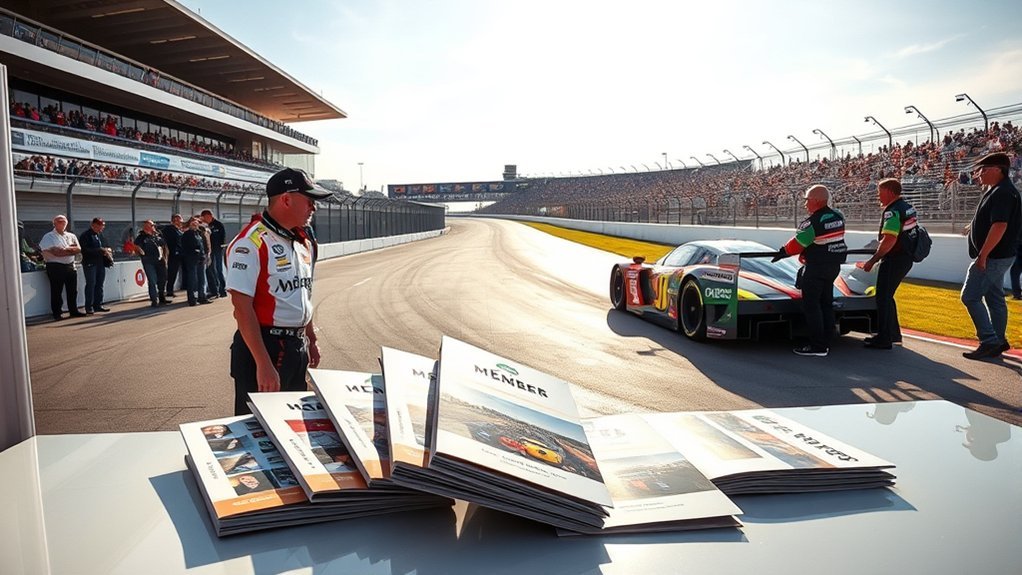
Joining a reputable car club or organization can greatly reduce your track day insurance costs.
These memberships not only validate your commitment to safe driving practices but also often lead to discounts from insurers who recognize the group’s emphasis on safety.
Membership Discounts Explained
Membership in organizations like the ATDO or specialized car clubs can greatly reduce your track day insurance costs. The membership advantages go beyond camaraderie; they can enhance your insurance eligibility and lower your premiums.
Here’s how:
- Clubs with favorable incident records make you a lower risk.
- Some clubs, like the Porsche Club, have special arrangements for better rates.
- Engaging with multiple organizations increases potential discounts.
- Regular participation in training showcases your commitment to safety.
- You often gain access to exclusive insurance options not available to non-members.
Safe Practices Validation
When you’re part of a reputable car club or organization like the ATDO, you not only enhance your skills on the track but also validate your commitment to safe driving practices, which can greatly lower your track day insurance costs.
Insurers appreciate members of these clubs due to their favorable incident records, often leading to significant discounts. Engaging in safety-focused events signals to insurers that you’re a responsible driver, further slashing your premiums.
Additionally, consistent participation in these activities enhances your reputation and can lead to long-term insurance benefits. If you join multiple organizations, you might access even more discounts and improved terms, making your track day experience both thrilling and economical.
Group Benefits Overview
Being part of a reputable car club can greatly reduce your track day insurance costs. These clubs often establish insurance partnerships that lead to better rates.
By engaging in club networking, you can enjoy exclusive benefits, including:
- Discounts on track day insurance for members
- Access to insurers with favorable incident records
- Opportunities to improve your driving skills and safety
- Exclusive insurance deals not available to non-members
- A community that promotes safe driving practices
These advantages not only enhance your experience but also keep your costs down.
As you participate more in club activities, you’ll likely see your premiums decrease over time, making your passion for driving not just thrilling but also financially savvy.
Track Day Preparation: Safety and Insurance Tips
To guarantee an exhilarating and safe experience on the track, preparing properly is key, and that starts with securing track day insurance. Standard auto policies usually don’t cover incidents on the track, so this step is vital.
Next, focus on your vehicle; inspect the tires, brakes, and suspension to make sure everything’s in top shape for high-performance driving. Understanding the specific track rules and safety protocols will further enhance your preparedness, reducing the risk of accidents.
Don’t forget track day essentials like well-fitted safety gear. A quality helmet is a must for protection while pushing your limits at high speeds.
If any incidents occur, document everything accurately during the day; this will help streamline the claims process should you need it. By taking these precautions, you’ll not only enjoy the thrill of the track but also guarantee your safety and peace of mind.
Frequently Asked Questions
Does Track Day Insurance Cover Damages to Other Vehicles?
Track day insurance typically includes liability coverage, which means it can cover damages to other vehicles in accident claims. Make sure to check your policy details to understand the extent of your coverage.
Can I Purchase Track Day Insurance for Multiple Events?
Yes, you can purchase track day insurance for multiple events. Look for policies offering multi event coverage, ensuring they meet your insurance policy limits. This way, you can enjoy your events without worrying about financial risks.
Is There a Waiting Period Before the Insurance Takes Effect?
There usually isn’t a waiting period for insurance activation; it typically starts as soon as you purchase the policy. Always confirm with your provider to guarantee you’re covered right when you need it.
Are There Age Restrictions for Drivers Covered Under This Insurance?
Yes, there are age restrictions for drivers. Typically, participants must be at least 18 years old, though some insurers may require additional driver experience. Always check specific policy guidelines to verify you’re eligible for coverage.
What Happens if My Vehicle Is Stolen During a Track Day?
If your vehicle’s stolen during a track day, act quickly! Notify authorities and your insurance provider for potential vehicle recovery. Implementing theft prevention measures beforehand can safeguard against such unfortunate incidents, ensuring your peace of mind.
Conclusion
As you gear up for your next track day, remember that the right insurance can be the safety net you didn’t know you needed. While the thrill of racing fuels your adrenaline, the unexpected can happen in a heartbeat. What if a twist in the track puts your prized vehicle at risk? By understanding track day insurance, you’re not just protecting your ride; you’re safeguarding your passion. Don’t wait until it’s too late—ensure you’re covered before you hit the asphalt.






Leave a Reply