
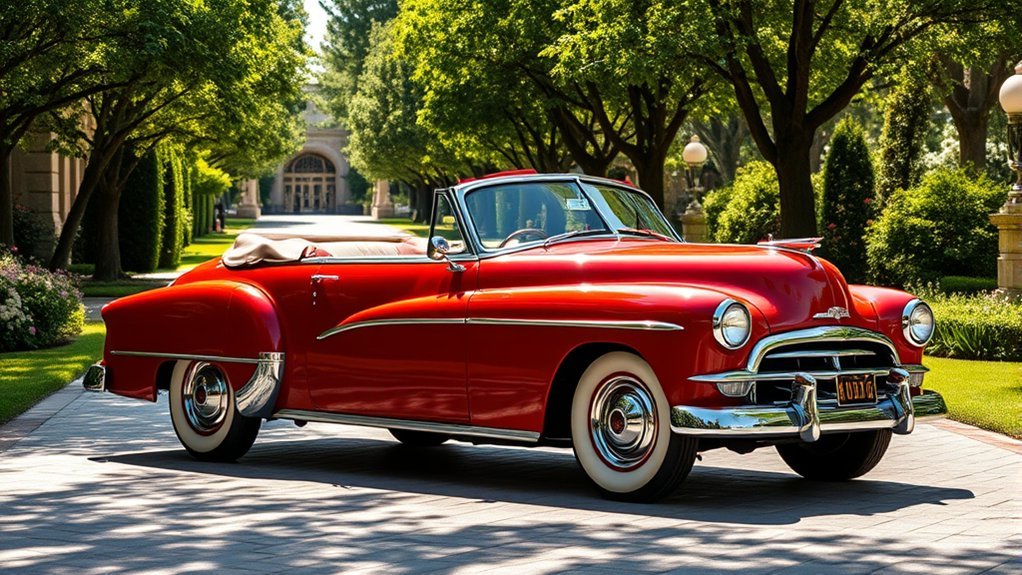
To understand classic car value, you need to take into account factors like rarity, condition, and market trends. High-quality restorations and an interesting backstory can greatly boost a vehicle’s worth. Utilize online valuation tools for accurate price insights, and be aware of how demand fluctuates. Knowing these elements will empower you in buying, selling, and insuring your classic vehicle wisely. The more you discover about valuation, the better equipped you’ll be to navigate this exciting market.
Understanding Classic Car Valuation: What You Need to Know
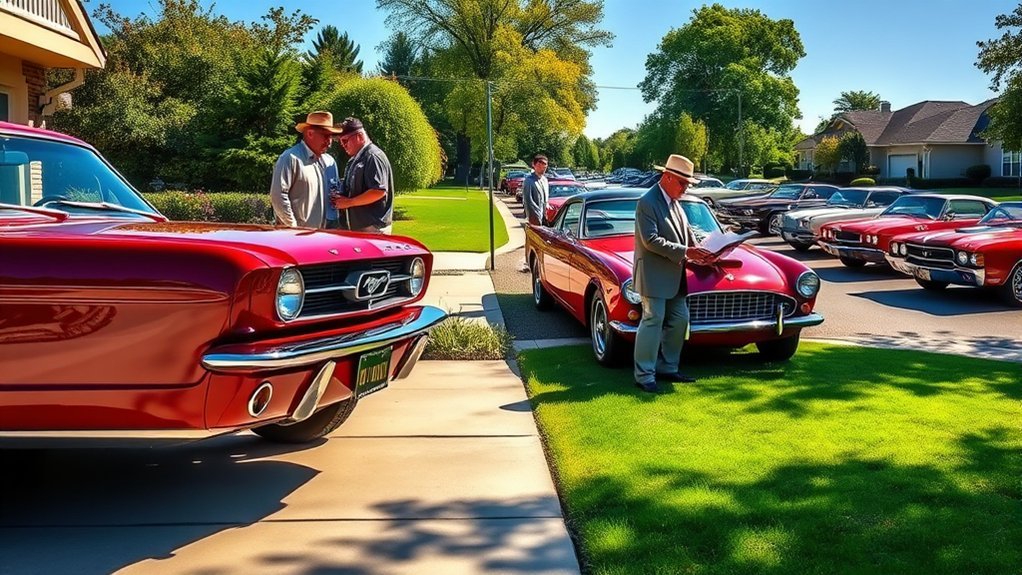
When it comes to understanding classic car valuation, what factors should you really consider? First, acknowledge that classic car history plays a vital role; cars with rich backstories often command higher prices.
You might be surprised by valuation misconceptions—like assuming rarity automatically equals value. While limited production numbers do boost desirability, condition and quality of restoration are equally essential. High-quality restorations using authentic materials can greatly enhance a car’s worth, while poor restorations might drag it down.
Furthermore, keep an eye on current market conditions and trends. The classic car market can fluctuate based on demand dynamics.
Did you know that about 70% of classic cars are sold through private parties? Utilizing online valuation tools like NADA Guides or ClassicCarValue.com can help you get a realistic estimate based on aggregated data from numerous sales.
Armed with this knowledge, you’ll make informed decisions whether buying or selling.
How to Assess the Condition of Your Classic Car
To accurately assess the condition of your classic car, start with a thorough visual inspection of the bodywork and interior.
Look for rust, dents, and wear that could affect both aesthetics and value.
Then, shift your focus to the mechanical components, checking for leaks and overall performance to guarantee everything runs smoothly.
Visual Inspection Techniques
While inspecting a classic car, your keen eye can reveal much about its condition and potential value. Start with rust detection techniques, examining the bodywork for signs of rust, dents, and mismatched paint, which might indicate past repairs. Next, check the interior for wear on upholstery and electronic systems, as originality matters. Don’t forget to test all features, ensuring functionality across the board.
Here’s a quick reference table to guide your inspection:
| Inspection Area | Key Techniques | What to Look For |
|---|---|---|
| Bodywork | Rust detection techniques | Rust, dents, paint match |
| Interior | Visual and tactile checks | Upholstery wear, electronics |
| Features | Functional testing | Lights, wipers, components |
| Documentation | Detailed logging | Findings for comparison |
| Overall Condition | thorough overview | Consistency in condition |
Mechanical Condition Evaluation
After completing a thorough visual inspection, it’s time to focus on the mechanical condition of your classic car.
Start with the engine performance; check for any leaks or unusual noises that could indicate underlying issues.
Next, conduct a brake inspection to guarantee they’re functioning properly and safely, which is vital for your overall driving experience.
Don’t overlook the suspension and steering components—smooth operation is key.
Examine the drivetrain, including the transmission and differential, for signs of wear.
Also, evaluate the electrical system by testing all components, like headlights and dashboard instruments.
Finally, review the service records to understand past repairs and anticipate future needs, helping you make informed decisions about your classic car’s reliability.
Crucial Factors That Impact Classic Car Valuation
When it comes to classic car valuation, rarity and demand are key players that can greatly boost a vehicle’s worth.
You’ll also want to take into account the condition and quality of any restoration work, as these factors directly influence what buyers are willing to pay.
Understanding these essential elements will help you accurately assess your classic car’s market value.
Rarity And Demand
Understanding the interplay between rarity and demand is essential for anyone looking to navigate the classic car market effectively. Rarity factors, such as limited production numbers and unique features, greatly enhance a vehicle’s desirability.
Collectors often pursue models tied to limited editions or with historical significance, pushing prices higher compared to their more common counterparts. However, keep in mind that demand fluctuations can impact valuation; certain makes and models may surge in popularity as trends evolve.
Additionally, the availability of parts and restoration potential plays a vital role in determining how much enthusiasts are willing to pay for rare vehicles. This dynamic landscape requires you to stay informed and adaptable to make the most of your classic car investments.
Condition And Restoration Quality
The condition of a classic car and the quality of its restoration are pivotal factors that can considerably influence its market value. Higher condition grading means better prices, attracting collectors enthusiastic for pristine vehicles.
Consider these aspects when evaluating a classic car:
- Restoration Techniques: High-quality restorations using authentic materials enhance value.
- Condition Grading: Vehicles are categorized from parts cars to excellent restorations, affecting buyer interest.
- Market Demand: Understanding which models are sought after can help you gauge appreciation potential.
How Market Trends Affect Classic Car Valuation
While classic car enthusiasts often focus on individual models and their features, market trends play an essential role in determining their valuation. Understanding market fluctuations is critical; supply and demand dynamics greatly impact prices. Limited production numbers often boost desirability, making specific models worth more over time.
Recent data shows that 70% of classic cars are sold through private parties, influencing pricing structures and trends. Auction sales, accounting for around 20% of transactions, provide important insights into current market conditions. Historical sales prices serve as benchmarks, helping you gauge ongoing value fluctuations.
Moreover, collector trends can shift rapidly, as seen with sought-after vehicles like the 1988 Honda CRX or various Ford Mustang generations. Keeping an eye on these trends not only aids in valuation but also empowers you as a collector or investor to make informed decisions in this dynamic market.
Top Online Tools for Classic Car Valuation
When you’re diving into the world of classic car valuation, utilizing the right online tools can make all the difference.
These resources empower you to navigate the complex landscape of classic car prices with ease and precision. Here are some top online valuation tools worth exploring:
- ClassicCarValue.com: Aggregates valuation data from multiple sources for a thorough overview.
- NADA Guides: Offers searchable estimates for Low, Average, and High Retail values based on vehicle condition.
- Classic.com: Serves as a search engine for market insights and price comparisons across various models.
Using these classic car databases not only enhances your understanding of market trends but also equips you with the knowledge to make informed decisions.
With the right tools at your fingertips, you can confidently assess and determine the true value of your classic car.
Navigating Classic Car Sales Channels
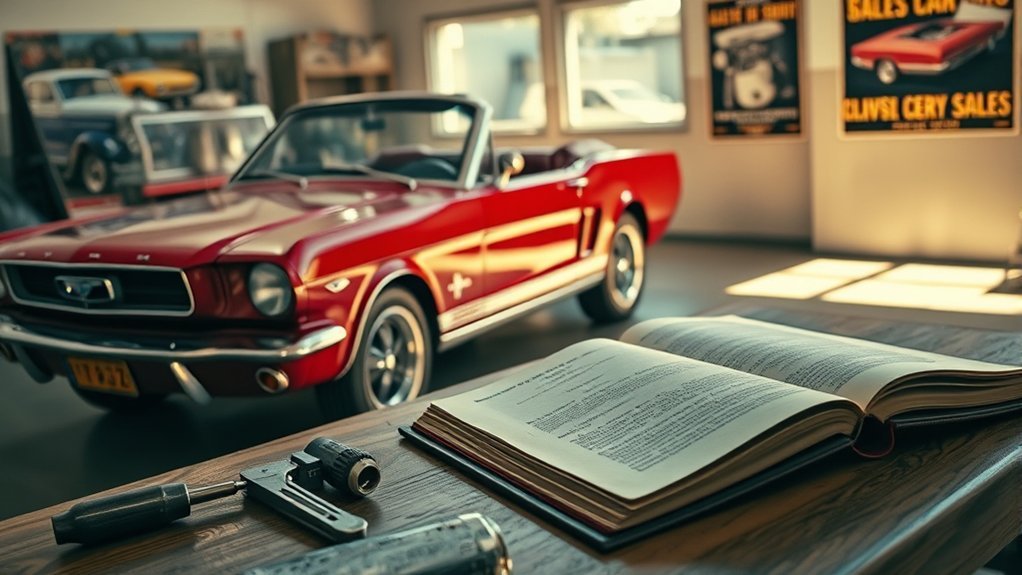
How do you choose the best channel for selling your classic car? Start by considering that approximately 70% of classic cars are sold through private party sales. This method allows you to connect directly with buyers who appreciate the vehicle’s unique history and value.
However, if you’re looking for a competitive edge, explore auction strategies. Auctions attract serious collectors enthusiastic for distinctive finds, accounting for about 20% of sales. They can create an exciting atmosphere that drives up bids.
While dealerships only sell about 10% of classic cars, they can offer convenience and quick sales. Still, evaluating the historical context and current market trends is essential for making informed decisions.
Whichever channel you choose, understanding these dynamics will empower you to navigate the classic car market confidently and maximize your vehicle’s value.
How to Safeguard Your Classic Car With Insurance
Have you considered how vital insurance is for protecting your classic car investment? Choosing the right insurance types not only safeguards your vehicle but also brings peace of mind.
Insurance is crucial for safeguarding your classic car investment while providing peace of mind. Choose wisely for the best protection.
Classic car insurance typically offers agreed value coverage, guaranteeing you receive a pre-determined amount if your car is totaled. Specialized coverage options cater to your unique needs, providing benefits that standard policies might overlook.
- Restoration cost provisions
- Limited mileage requirements
- Protections against depreciation
Regularly reassessing your car’s value is important, especially after significant restorations. This guarantees your coverage remains adequate and aligns with market fluctuations.
Tips for Successful Buying and Selling of Classic Vehicles
Steering through the classic car market can be both exciting and challenging, especially if you’re looking to buy or sell a vehicle with value. When purchasing a classic, inspect for rust and damage; these factors can drastically affect desirability.
Research specific models by checking auction results and classic car magazines for current pricing trends. Make certain the car retains original parts and has complete documentation, as this boosts its collectible appeal.
If you’re selling, utilize valuation tools like Hagerty’s and consult seasoned dealers for accurate pricing based on market data. Keep the vehicle’s rarity in mind; limited production models tend to appreciate faster and attract higher offers.
Finally, don’t forget about classic car financing options and guarantee you have proper vintage vehicle storage to protect your investment. By following these tips, you can navigate the classic car market with confidence.
Frequently Asked Questions
How Do I Find Out How Much My Classic Car Is Worth?
To find out how much your classic car’s worth, utilize online valuation tools, seek appraisal tips from experts, and engage with collector communities for insights into current market trends and comparable sales data.
Is There a Kelley Blue Book for Classic Cars?
There isn’t a Kelley Blue Book for classic cars; instead, think of specialized appraisal tools as treasure maps for vintage vehicle pricing. They provide insights that reflect rarity, condition, and historical sales trends accurately.
Which Car Value Site Is Most Accurate?
For accuracy, you should use multiple car value sites. They provide value comparisons and insights on market trends, ensuring you get a well-rounded perspective on your classic car’s worth based on varied data sources.
How Do I Find Out What My Old Car Is Worth?
Isn’t it exciting to uncover your car’s hidden treasure? To determine its worth, conduct a car appraisal using classic valuation tools, compare market sales, and evaluate your vehicle’s condition, originality, and mileage for accuracy.
Conclusion
In the world of classic cars, knowing their value can feel like revealing a treasure chest. By understanding valuation factors and market trends, you’re well-equipped to navigate the buying and selling journey. Don’t forget to keep your prized possession protected with the right insurance. Whether you’re a seasoned enthusiast or just starting out, you can steer through this exciting landscape with confidence. Embrace the joy of classic cars, and may your journey be filled with rewarding experiences!






Leave a Reply