
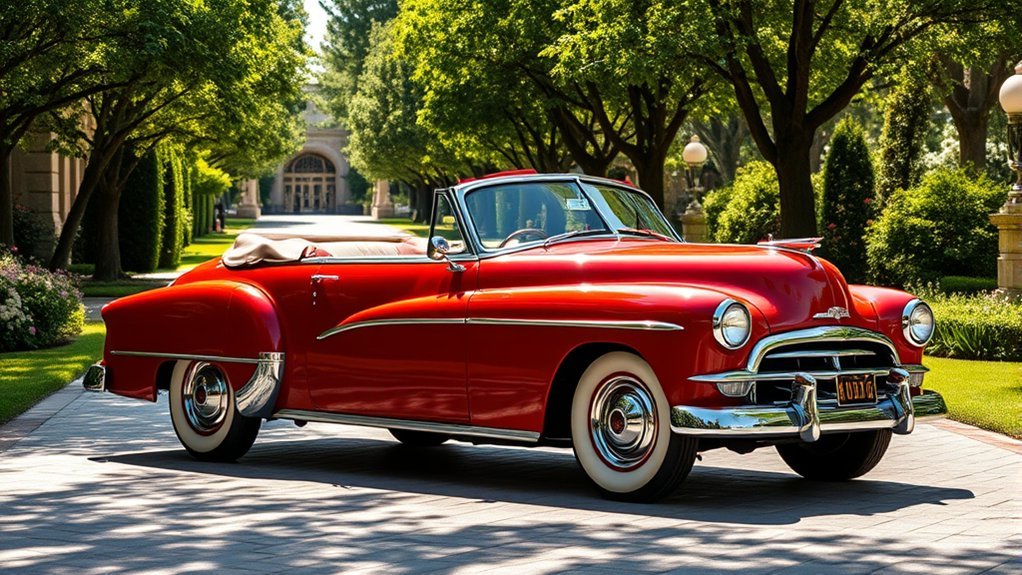
A classic car is worth what a knowledgeable buyer is likely to pay for that specific vehicle in the current market—not the highest asking price online. A useful valuation combines the exact year and configuration, condition, originality, documentation, recent comparable sales, and current demand. Use price guides as starting points, then adjust for the car in front of you.
Quick Answer
To estimate a classic car’s value, identify its exact model and specifications, grade its condition honestly, verify its history and originality, and compare several recent sold examples. Cross-check specialist valuation guides, but use a qualified appraiser when the car is rare or the value is needed for insurance, taxes, financing, an estate, or a dispute.
Key Takeaways
- Recent sold prices are usually more useful than optimistic asking prices.
- Condition, originality, specifications, and documentation can create large price differences between cars that look similar in an ad.
- Rarity adds value only when buyers also want the model or configuration.
- Restoration cost does not automatically equal market value; quality and authenticity matter.
- Insurance value, replacement cost, auction estimate, and fair market value are related but not interchangeable.
At a Glance
| Time Required | About 1–3 hours for a careful estimate; longer for a rare car or incomplete records |
| Difficulty | Moderate |
| Tools Needed | VIN or chassis number, title and records, camera, flashlight, inspection mirror, notepad, and access to sold-price data |
| Cost | Free for a basic self-estimate; paid databases, inspections, and professional appraisals vary |
Understanding Classic Car Valuation: What You Need to Know
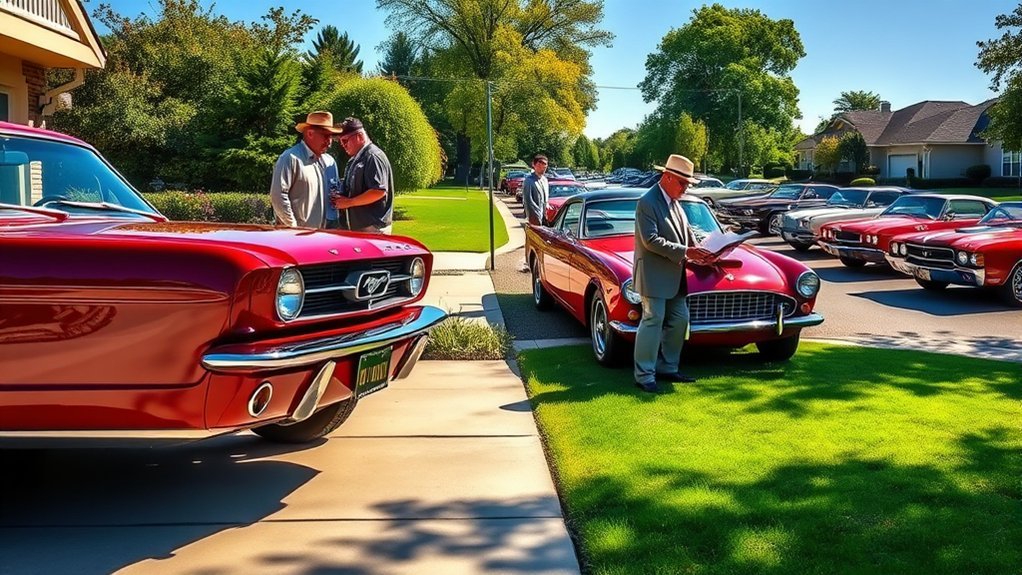
Classic car valuation is not a single lookup. Two vehicles with the same year, make, and model can sell for very different amounts because of engine choice, body style, factory options, color, originality, restoration quality, ownership history, mileage, and regional demand.
A strong valuation starts with a guide range and then checks that range against recent transactions. The Hagerty Valuation Tools, for example, draw on years of pricing and transaction data, while CLASSIC.COM publishes market benchmarks and comparable auction results. Each is useful, but neither can inspect your individual car.
Know Which Type of Value You Need
- Fair market value: A reasonable price between a willing buyer and seller when neither is under unusual pressure.
- Retail or dealer asking value: A listing price that may include preparation, marketing, warranty, or negotiation room.
- Auction estimate: A pre-sale range, not a promise of the final hammer price.
- Agreed insurance value: The amount stated in a collector policy after the owner and insurer agree on the car’s value, subject to the policy terms.
- Replacement cost: The amount it may take to find and buy a similar vehicle, which can differ from a quick-sale price.
Note: An online estimate is not automatically suitable for a tax filing, estate, divorce, loan, insurance dispute, or court matter. Those uses may require a written appraisal from a qualified professional.
How to Assess the Condition of Your Classic Car
Condition is one of the largest value drivers, but it must be graded consistently. Many specialist guides use four broad levels: concours, excellent, good, and fair. Most regularly driven collector cars fall in the good category rather than the top two grades. Review both cosmetic and mechanical condition before choosing a range.
Visual Inspection Techniques
Inspect the car in daylight on a dry surface. Look along each body panel from a low angle for waves, uneven gaps, overspray, color mismatch, bubbling paint, and signs of filler. Check common rust areas, including wheel openings, rocker panels, floors, frame rails, suspension mounting points, battery trays, windshield surrounds, and trunk seams.
Inside, inspect upholstery, trim, gauges, switches, glass, seals, carpets, headliner, and convertible-top operation. Original, well-preserved materials can be valuable even when they show light age. Newly restored surfaces should match the model’s factory materials and patterns.
| Inspection Area | What to Check | Why It Affects Value |
|---|---|---|
| Body and structure | Rust, collision repairs, panel gaps, frame damage, filler, and paint quality | Structural repairs and corrosion can be costly and may limit buyer interest |
| Paint and chrome | Uniform finish, overspray, pitting, cracking, and correct trim | Cosmetic quality helps separate fair, good, and excellent examples |
| Interior | Correct materials, wear, odors, water damage, gauges, switches, and accessories | Rare trim and factory-correct interiors can be expensive to replace |
| Glass and seals | Cracks, delamination, date codes, leaks, and hardened rubber | Leaks can hide rust and damaged original glass may be difficult to source |
| Wheels and tires | Correct wheel type, damage, tire age, and matching sizes | Incorrect wheels change presentation; old tires create an immediate expense |
Mechanical Condition Evaluation
Start the engine cold when possible. Watch for hard starting, smoke, low oil pressure, overheating, warning lights, fluid leaks, unusual noises, and excessive crankcase blow-by. During a road test, check clutch or transmission operation, steering play, brake pull, vibration, suspension noise, charging voltage, and gauge accuracy.
Inspect the cooling system, fuel system, brake hydraulics, tires, belts, hoses, wiring, and exhaust. A compression or leak-down test can help assess engine health, but the results must be interpreted for that engine design. Review service records to see whether major work is documented and whether long-term maintenance was consistent.
Warning: Do not crawl under a vehicle supported only by a jack, open a hot cooling system, or road-test a car with unsafe tires, steering, fuel leaks, or brakes. Use rated jack stands and hire a qualified mechanic when the car’s safety is uncertain.
Verify Originality, Provenance, and Documentation
Documentation can support both identity and value. Useful records include the title, registration history, build sheet, factory invoice, protect-o-plate or warranty book, restoration photos, parts receipts, service records, judging sheets, and correspondence from recognized marque experts.
Check the chassis or VIN, body tag, engine number, transmission number, and casting or date codes against model-specific references. “Matching numbers” has different meanings across manufacturers, so do not rely on a seller’s label without evidence. For 1981-and-newer U.S.-market vehicles, the public NHTSA VIN Decoder can help identify manufacturer-reported vehicle information. Earlier classics often use shorter or manufacturer-specific serial numbers.
For title brands, odometer records, junk or salvage reports, and some theft information, use an approved National Motor Vehicle Title Information System provider. A clean report is helpful, but it does not replace a physical inspection or model-specific research.
Crucial Factors That Impact Classic Car Valuation
Rarity and Demand
Low production can increase value, but rarity alone is not enough. A rare model with weak collector interest may be worth less than a common model with a large enthusiast base. The strongest combinations usually pair limited supply with desirable styling, performance, cultural importance, racing history, usability, or a recognized specification.
Factory options can also matter. Engine, transmission, body style, trim package, color combination, racing equipment, and regional specification may create large premiums or discounts. Compare like with like rather than using the price of the most desirable version as a guide for every example.
Condition and Restoration Quality
A high-quality restoration can increase value when the work is accurate, well documented, and appropriate for the model. Poor bodywork, incorrect finishes, missing trim, non-original hardware, or mechanical shortcuts can reduce value even when the car looks shiny in photographs.
Restoration cost and market value are not the same. Owners often spend more restoring a car than the market will return. In some segments, an exceptional original survivor may be more desirable than a restored example because original finishes, stampings, and materials cannot be recreated.
Mileage, Ownership History, and Modifications
Low mileage can support a premium when it is documented and the car remains well preserved. Mileage alone does not guarantee condition; seals, tires, fuel systems, and cooling components can deteriorate while a car sits.
Interesting ownership or competition history can add value when it is verifiable and relevant to collectors. Modifications are more complicated. Period-correct upgrades or high-quality restomods may attract certain buyers, while irreversible changes can shrink the market for originality-focused collectors. Value the car in the segment where it will actually compete.
How to Calculate a Realistic Classic Car Value
- Identify the exact specification. Record year, make, model, body style, engine, transmission, trim, factory options, production market, and serial numbers.
- Choose an honest condition grade. Base it on the whole car, not its best feature. A fresh interior does not cancel structural rust or a tired drivetrain.
- Collect at least three useful comparables. Favor recent sold vehicles with the same generation, body style, drivetrain, condition, and market.
- Normalize the prices. Account for buyer’s premiums, seller fees, transport, currency, major included spares, and whether the posted amount was an asking or sold price.
- Adjust for differences. Consider condition, originality, documentation, options, color, mileage, location, and current demand.
- Create a range, not a false single number. Use a low, likely, and high value based on the quality of the evidence.
Pro Tip: Weight a recent, nearly identical sold car more heavily than an older result, a different engine, or a dealer listing that has remained unsold for months. Save screenshots and note the sale date, venue, condition, mileage, and fees.
The best valuation is a supported range built from comparable sales and an honest inspection—not the highest number returned by a single website.
How Market Trends Affect Classic Car Valuation
Collector-car prices move by segment rather than as one market. Interest can shift by generation, price band, country, body style, usability, transmission type, and cultural relevance. Economic conditions, interest rates, exchange rates, auction calendars, and buyer demographics can also influence demand.
As of mid-2026, current reporting describes a selective market: the broader market has softened while many top-tier cars remain firm, and the strongest examples can still set records. See Hagerty’s June 2026 collector-market update and CLASSIC.COM’s July 2026 half-time report. This does not mean every expensive car is rising or every driver-quality car is falling; model-level evidence remains essential.
Seasonality matters too. Convertibles may attract more attention before warm weather, while major auction weeks can temporarily concentrate buyers and high-quality inventory. Use sales close to the valuation date whenever possible.
Top Online Tools for Classic Car Valuation
Use several sources because each has different coverage, condition definitions, data sets, and update schedules.
| Tool | Best Use | Main Limitation |
|---|---|---|
| Hagerty Valuation Tools | Condition-based collector-car guide ranges and market history | Coverage and detailed data access vary; the tool does not inspect your car |
| J.D. Power vehicle values | Low, average, and high retail references for covered vehicles | A generic condition band may not capture rare options, provenance, or restoration quality |
| CLASSIC.COM Markets | Auction results, market benchmarks, and comparable-sale research | A market benchmark is not the value of one specific car |
| Auction-house archives | Photos, descriptions, and sale results for unusual or high-value cars | Descriptions may be promotional, and fees or post-sale changes may need clarification |
| Marque clubs and registries | Model-specific identification, options, production details, and known histories | Enthusiast opinions are not a substitute for documented transactions |
Kelley Blue Book remains useful for many mainstream used vehicles, especially later models, but specialist collector-car sources and sold comparables are usually more informative for older, rare, or heavily option-sensitive classics.
When to Get a Professional Classic Car Appraisal
A written appraisal is worth considering when the vehicle is rare, heavily modified, newly restored, difficult to compare, or valuable enough that a pricing error would be costly. It may also be needed for insurance, financing, an estate, a charitable contribution, a legal matter, or a disputed loss.
Choose an appraiser with experience in the exact type of vehicle and a recognized appraisal credential or professional standard. Ask what the report includes, which valuation date and definition will be used, how comparables are selected, and whether the appraiser has any financial interest in the transaction. The American Society of Appraisers explains that its personal-property appraisers follow professional standards and a code of ethics.
Navigating Classic Car Sales Channels
There is no reliable universal split showing that a fixed percentage of classic cars sell privately, at auction, or through dealers. The best channel depends on the car, seller’s timeline, target buyer, presentation quality, and tolerance for fees and transaction work.
| Sales Channel | Advantages | Tradeoffs |
|---|---|---|
| Private sale | Control over price, presentation, timing, and buyer communication | You handle screening, inspections, payment security, paperwork, and possible fraud attempts |
| Online auction | Broad audience, public bidding, detailed comments, and a defined sale window | Reserve rules, fees, photography standards, and public scrutiny vary by platform |
| Live auction | Concentrated collector audience and strong event marketing | Consignment, transport, entry timing, commissions, and buyer’s premiums affect the economics |
| Dealer or broker | Convenience, established buyer network, showroom exposure, and transaction support | Wholesale offers or commissions can reduce the seller’s net proceeds |
How to Safeguard Your Classic Car With Insurance
Collector-car insurance often uses an agreed value because each vehicle’s condition and specification are unique. The Insurance Information Institute advises owners and insurers to agree on the vehicle’s value and place that amount in the policy. Read the contract carefully because deductibles, mileage limits, storage requirements, permitted drivers, usage restrictions, spare-parts coverage, and claims terms vary.
- Provide clear photographs, receipts, restoration records, and an appraisal when requested.
- Confirm whether taxes, fees, towing, spare parts, and newly completed upgrades are included.
- Review the value at renewal and after major restoration work or a meaningful market change.
- Distinguish agreed value from stated value or ordinary actual-cash-value coverage.
Insurance terms and requirements vary by state and insurer. A licensed insurance professional can explain how a specific policy would respond to a partial loss or total loss.
Tips for Successful Buying and Selling of Classic Vehicles
Classic Car Buyer Checklist
- Verify the seller’s identity, title, VIN or chassis number, and lien status before sending money.
- Inspect the car in person or hire an independent specialist who does not represent the seller.
- Request cold-start, underside, paint, rust-area, serial-number, and road-test documentation.
- Compare the exact configuration with recent sold vehicles, not just the same model name.
- Budget for transport, taxes, registration, tires, deferred maintenance, storage, and insurance.
- Use a secure payment method and a written bill of sale that matches local requirements.
Classic Car Seller Checklist
- Organize the title, service history, restoration receipts, manuals, spare parts, and ownership records.
- Photograph the exterior, interior, engine bay, underside, trunk, flaws, identification tags, and cold start.
- Describe defects and non-original parts clearly; surprises after inspection weaken trust and price.
- Set an asking range from sold comparables, then account for platform fees and negotiation room.
- Screen buyers, protect personal information, verify funds, and complete title paperwork correctly.
Frequently Asked Questions
How do I find out how much my classic car is worth?
Identify the exact configuration, grade its condition honestly, gather recent sold comparables, and cross-check more than one specialist guide. Adjust for originality, options, documentation, mileage, restoration quality, and location. Use a qualified appraiser when the car is rare or the value is needed for a formal purpose.
Is there a Kelley Blue Book for classic cars?
Kelley Blue Book covers many mainstream used vehicles, including some later collector models, but it is not the main specialist reference for many older classics. Hagerty, J.D. Power, CLASSIC.COM, auction archives, marque clubs, and professional appraisers may provide more relevant collector-car evidence.
Which classic car value site is most accurate?
No single site is always the most accurate. Coverage, condition definitions, transaction data, and update timing differ. The most defensible estimate combines multiple guides with recent sold examples that closely match the vehicle’s specification and condition.
Does restoring a classic car always increase its value?
No. A correct, well-documented restoration can add value, but poor work or incorrect parts may reduce it. Restoration costs can also exceed the vehicle’s finished market value. In some categories, a well-preserved original car is worth more than a restored example.
What does “matching numbers” mean on a classic car?
The phrase usually means that important components—often the engine and sometimes the transmission—can be tied to the vehicle as originally built. The exact standard differs by manufacturer and era. Verify stampings, casting dates, factory records, and model-specific references rather than accepting the phrase without proof.
How often should I update my classic car valuation?
Review it at least once a year and after a major restoration, purchase of rare parts, a sharp market move, or a change in insurance needs. Keep dated photos and receipts so you can support an updated value.
Sources
- Hagerty Valuation Tools — collector-car price-guide coverage and transaction-based valuation research
- Hagerty Price Guide condition ratings — condition categories and valuation methodology
- CLASSIC.COM Markets — market benchmarks and comparable auction-sale research
- National Highway Traffic Safety Administration VIN Decoder — manufacturer-reported VIN information for standardized VINs
- National Motor Vehicle Title Information System — approved providers for title, brand, odometer, junk, salvage, and related history data
- Insurance Information Institute: Insuring Your Classic Car — agreed-value coverage and collector-policy considerations
Conclusion
A dependable classic car valuation comes from evidence, not enthusiasm alone. Confirm the exact vehicle, inspect it carefully, verify its history, and compare recent sales of genuinely similar cars. Use online guides to establish a range, then refine it for condition, originality, specification, documentation, and current demand. When the financial or legal stakes are high, support the number with an independent professional appraisal.







Leave a Reply