
 Lysander Voss
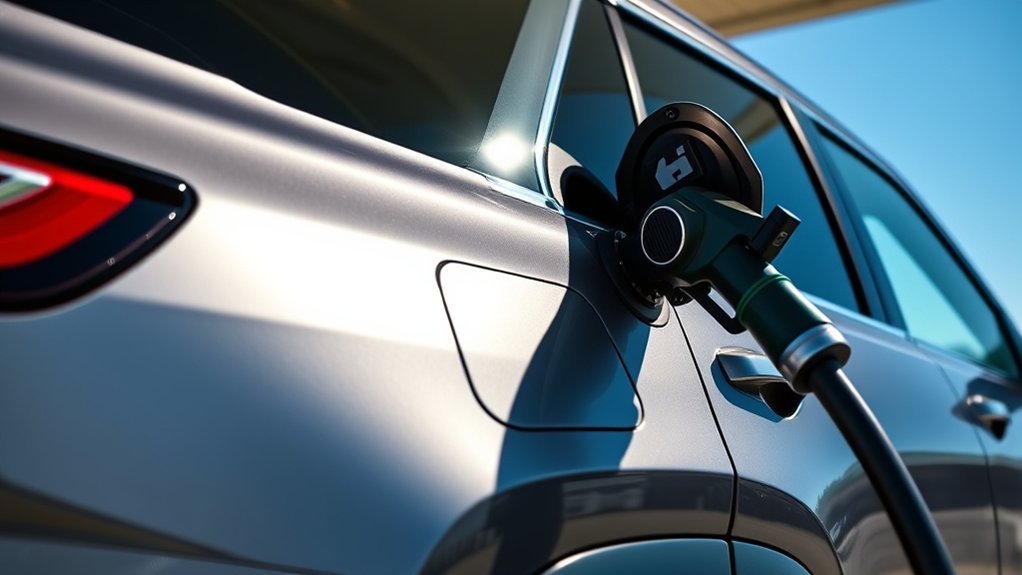
Your Jeep Wagoneer generally runs on regular unleaded gasoline (87 octane), perfect for most models. However, if you have a high-performance version, it might need premium fuel (91 octane or higher) for peak performance. Using the recommended fuel type helps prevent engine knocking and guarantees better efficiency. Ignoring this can lead to issues down the line. Curious about how fuel choices impact performance? There’s more useful info waiting for you!
Understanding Fuel Requirements for Your Jeep Wagoneer
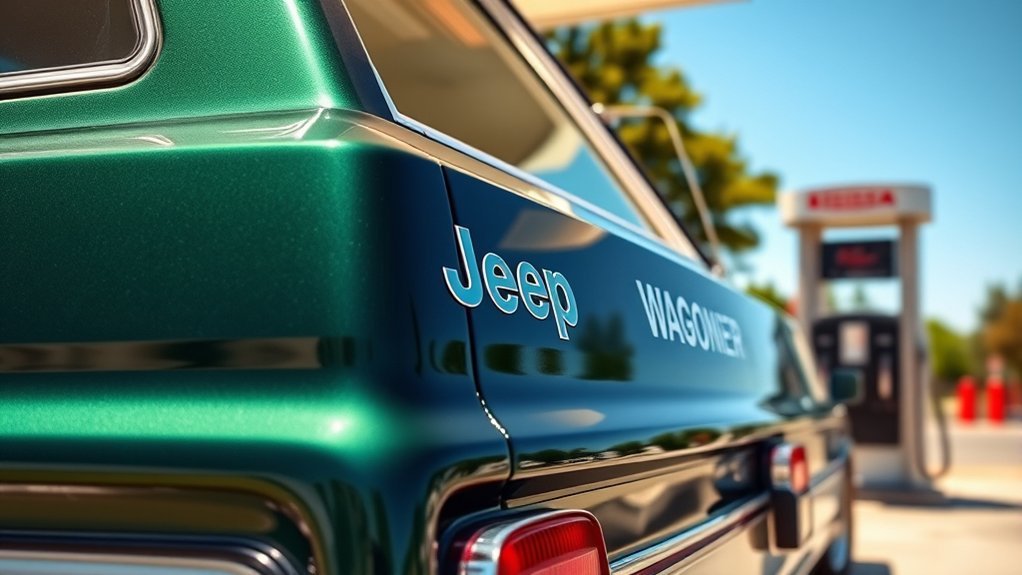
When you’re driving your Jeep Wagoneer, understanding its fuel requirements is crucial for keeping it running smoothly. Typically, your Wagoneer runs well on regular unleaded gasoline with an octane rating of 87, making it a cost-effective choice.
However, some engines might recommend premium gasoline—91 octane or higher—for peak performance, especially when hauling heavy loads or cruising at high speeds.
Always consult your owner’s manual to verify the specific fuel needs for your model and engine type. Using the correct fuel isn’t just about performance; it helps prevent engine knocking and guarantees your vehicle operates efficiently.
Ignoring these guidelines can lead to engine issues, affecting both performance and longevity. By staying informed about your fuel options, you empower yourself to make the best choices for your Jeep, ensuring a smooth, liberated driving experience that keeps you on the road longer.
Regular vs. Premium Gas: Key Differences and Recommendations
While you might think all gasoline is the same, there are significant differences between regular and premium fuel that can impact your Jeep Wagoneer’s performance. Understanding these differences helps you make the best choice for your ride.
| Feature | Regular Gas (87 Octane) | Premium Gas (91+ Octane) |
|---|---|---|
| Cost | Lower | Higher |
| Performance | Adequate for most models | Enhanced for high-performance engines |
| Engine Knock Prevention | Limited | Superior |
| Efficiency | Good | Better under load |
| Recommended for | Most Wagoneer models | High-performance variants |
Using regular unleaded is often a cost-effective solution for many models. However, if your Wagoneer’s engine requires premium, failing to comply can lead to reduced power and efficiency. Always check your owner’s manual to verify you’re fueling up right.
Owner Experiences: Insights on Jeep Wagoneer Gas Choices
Many Jeep Wagoneer owners have shared their experiences regarding fuel choices, revealing a mix of opinions on regular versus premium gasoline. Many find that using regular unleaded (87 octane) works just fine, as most models run efficiently on it.
However, some higher-performance versions recommend premium gasoline (91 octane) to avoid knocking and enhance performance, especially when hauling heavy loads.
In online forums, you’ll see mixed feelings about the cost of premium gas versus the potential gains in power and efficiency. While some drivers report reduced performance and fuel efficiency with regular gas, the engine management system usually compensates for the lower octane.
Additionally, concerns about warranty claims push some owners to consistently opt for premium fuel, fearing engine issues down the line. Ultimately, your choice may depend on how you plan to use your Wagoneer and your budget for fuel.
How Octane Ratings Affect Engine Performance and Efficiency?
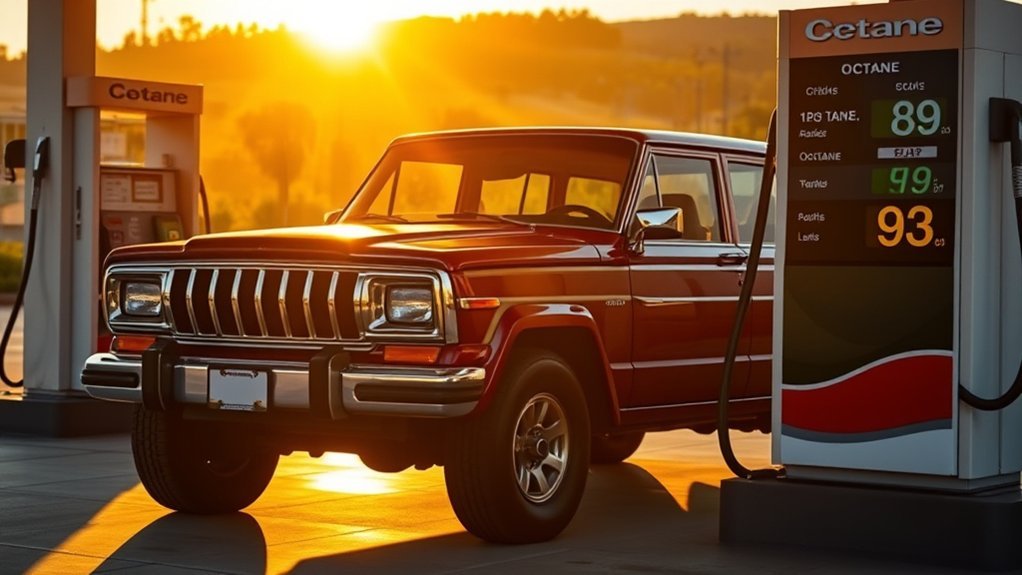
Understanding how octane ratings affect engine performance and efficiency is essential for any Jeep Wagoneer owner. Octane ratings measure a fuel’s ability to resist knocking during combustion.
Using higher octane fuel, typically ranging from 91 to 98, allows your engine to operate more efficiently, especially under heavy loads or high speeds. If you opt for regular unleaded gasoline with an octane rating of 87, you might encounter knocking and reduced performance, which can impact your driving experience.
While your engine management system can adapt to lower octane fuel, it often leads to decreased power and fuel economy. Sticking to the recommended octane rating not only enhances performance but also contributes to better fuel efficiency and longevity for your Jeep.
Fuel Economy: Fuel Type Effects
Fuel type plays a significant role in determining your Jeep Wagoneer’s fuel economy. While regular unleaded gasoline with an octane rating of 87 is sufficient for most models, using premium gasoline (91 octane or higher) can boost performance, especially under heavy loads. Your Wagoneer’s engine management system can adapt to lower octane fuels, but you might notice reduced power and efficiency.
Here’s a quick comparison of fuel types and their effects on your Wagoneer’s economy:
| Fuel Type | Effect on Economy |
|---|---|
| Regular Unleaded | Standard efficiency |
| Premium Gasoline | Enhanced performance |
| Incorrect Fuel | Decreased power & economy |
Regular maintenance, like checking tire pressure and minimizing weight, also plays an essential role in maximizing fuel efficiency. Always follow your owner’s manual for the best fuel recommendations to keep your Jeep running smoothly.
Troubleshooting Fuel Issues in Your Jeep Wagoneer
If you’re facing fuel-related issues with your Jeep Wagoneer, it’s crucial to pinpoint the problem quickly.
Common symptoms like knocking or reduced performance often signal that you might need to adjust your fuel type or quality.
Understanding how to diagnose these performance issues can help keep your Wagoneer running smoothly and efficiently.
Common Fuel Problems
While driving your Jeep Wagoneer, you might encounter various fuel-related issues that can impact performance. Using the wrong fuel type, like Regular gasoline in an engine that requires Premium, can lead to engine knocking and reduced power.
Mixing different octane fuels is generally discouraged, as it may cause inconsistencies in performance. If the check engine light comes on, it could be linked to fuel quality issues, so stick to the recommended fuel for your model.
Regular maintenance, including checking your fuel filters and injectors, is essential to prevent problems. Always consult your owner’s manual for specific fuel requirements and troubleshooting tips to guarantee your Jeep runs smoothly and efficiently.
Diagnosing Fuel Performance Issues
If you notice knocking or reduced power, it might be time to switch from regular unleaded to premium fuel. High-performance engines often require higher octane, especially under load.
Keep an eye on your engine’s performance; using lower octane fuel can lead to knocking and potential damage. Don’t ignore any check engine lights, as they may indicate fuel quality problems.
If you’ve mixed fuels, refill with premium when your tank dips to half to maintain performance.
Finally, regular maintenance—like checking your fuel filter and ensuring your injectors are functioning—can help you effectively resolve these issues.
Frequently Asked Questions
Can I Mix Different Octane Fuels in My Jeep Wagoneer?
Yes, you can mix different octane fuels in your Jeep Wagoneer. However, sticking to the recommended octane level guarantees peak performance and efficiency, so it’s best to choose the right fuel for your ride.
What Happens if I Use Lower Octane Fuel?
Using lower octane fuel can lead to engine knocking, reduced performance, and decreased fuel efficiency. You might think it’s a cost-saving move, but it could harm your engine in the long run. Choose wisely!
Does Gas Brand Affect My Jeep’s Performance?
Yes, gas brand can affect your Jeep’s performance. Higher-quality fuels often contain additives that enhance engine efficiency and reduce deposits. To maximize your ride’s power, choose a reputable brand that meets your vehicle’s requirements.
How Often Should I Fill up My Jeep Wagoneer?
You should fill up your Jeep Wagoneer when the fuel level drops to about a quarter tank. This keeps your engine running smoothly and helps avoid potential issues. Stay free to explore without worry!
Can Ethanol-Blended Fuel Be Used in My Jeep Wagoneer?
You can use ethanol-blended fuel in your Jeep Wagoneer, but keep in mind that “a penny saved is a penny earned.” Just check your owner’s manual to confirm it meets your vehicle’s requirements.
Conclusion
To sum up, choosing the right gas for your Jeep Wagoneer can greatly impact performance and efficiency. Most models run best on premium fuel, but using regular gas won’t necessarily damage your engine. Notably, vehicles using higher octane fuel can see up to a 7% improvement in fuel economy. So, whether you’re hitting the trails or cruising the highway, fueling up with the right gas can keep your Jeep running smoothly and efficiently.