
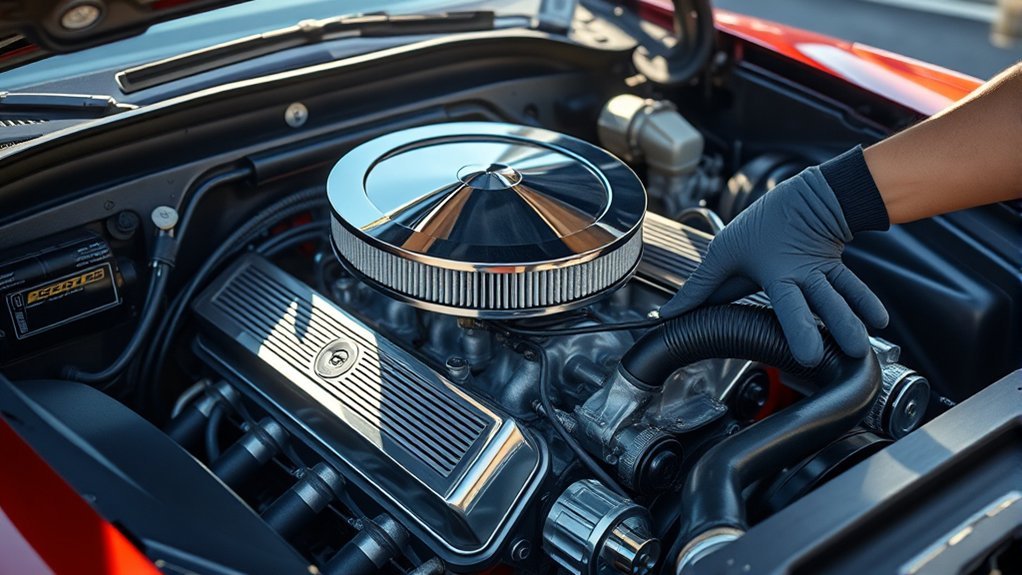
Understanding engine reliability after a tune is vital to maintain peak performance. Improper adjustments can lead to issues like poor fuel economy, rough idling, and engine damage. Regular maintenance, such as oil changes and monitoring temperatures, is essential in avoiding these pitfalls. Keeping air-fuel ratios in check guarantees your engine runs efficiently. Utilizing quality tuning software and experienced tuners can further enhance reliability. There’s more to explore about best practices and troubleshooting for your tuned engine.
Understanding the Importance of Engine Reliability After a Tune
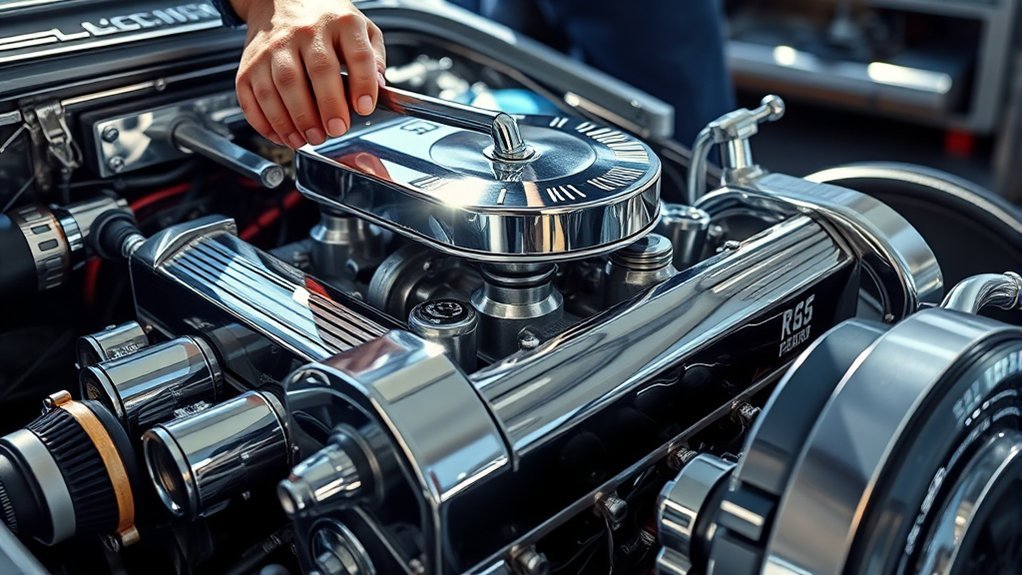
When you tune your engine, understanding the importance of reliability is vital, as improper adjustments can lead to considerable issues. Effective tuning techniques must prioritize maintaining ideal air-fuel ratios; running too lean can cause overheating and irreversible damage, while too rich may foul spark plugs and reduce efficiency.
You should also consider that higher horsepower levels require supporting upgrades, such as enhanced cooling systems and lubrication, to prevent excessive wear. Regular monitoring of engine performance post-tune is essential; pay attention to unusual noises and vibrations to catch potential issues early, ensuring engine longevity.
Consulting experienced tuners and adhering to conservative tuning parameters can greatly mitigate risks. This approach preserves your engine’s reliability while enhancing performance, providing you with the liberation of a well-tuned, dependable machine.
Identifying Symptoms of a Poor Tune
When evaluating your engine after a tune, watch for common performance issues like poor fuel economy and rough idling.
Unusual noises or vibrations can indicate misfires or detonation, signaling a need for immediate attention.
Monitoring these symptoms closely guarantees your engine operates reliably and efficiently.
Common Engine Performance Issues
How can you tell if your engine’s tune has gone awry? For boosted engines, poor fuel economy often signals inefficiency, suggesting your tune needs attention.
You might notice rough idling or stalling, symptomatic of misaligned tuning parameters that compromise performance. Additionally, keep an eye on knock counts; elevated levels during monitoring can indicate potential damage from incorrect settings.
If your air/fuel ratios drift outside the ideal range, you risk overheating or fouled spark plugs, both signs of inadequate tuning.
Finally, while tuning myths may suggest otherwise, unusual vibrations or noises during normal driving often reveal deeper issues linked to a bad tune.
Address these symptoms promptly to guarantee your engine’s reliability and performance.
Diagnosing Unusual Noises
Unusual noises from your engine can be direct indicators of tuning problems that require immediate attention. Listen for knocking or pinging sounds; these often signal elevated knock counts, stressing your engine.
A rough idle or stalling typically reflects improper air-fuel ratios—a clear symptom of inadequate ECU adjustments. If you feel elevated vibrations while driving, it’s likely your engine isn’t running smoothly, leading to potential component wear.
Additionally, changes in performance, like reduced acceleration or increased engine temperatures, point to tuning issues needing prompt action. Don’t ignore dashboard warning lights either; they may highlight underlying performance problems, often linked to an ineffective tune.
Utilizing diagnostic tools can help pinpoint these unusual sounds and guide necessary corrections.
Monitoring Fuel Economy Changes
Monitoring fuel economy changes after a tune is essential for evaluating engine performance and identifying potential tuning issues. A drop in fuel efficiency can signal improper air-fuel ratios, leading to inefficient combustion.
Here are key symptoms to watch for:
- Noticeable decrease in fuel economy post-tune
- Rough idling or stalling indicating incorrect fuel mixture
- Increased engine vibrations during normal driving
- Elevated knock counts during operation
If you experience consistently poor fuel economy along with unusual engine noises, it might mean your tuning parameters are too aggressive.
Addressing these concerns quickly can help restore fuel efficiency and improve overall engine reliability, making tuning evaluation a critical part of your vehicle’s performance management.
Key Maintenance Tips for Your Tuned Engine
To maintain the reliability of your tuned engine, prioritize regular oil changes to guarantee ideal lubrication under increased stress.
Monitoring engine temperatures is essential, as excessive heat can lead to significant damage if not managed properly.
Additionally, inspecting spark plugs frequently will help maintain combustion efficiency and prevent performance degradation.
Regular Oil Changes
Regular oil changes are essential for maintaining the performance and reliability of your tuned engine. Higher horsepower creates more heat and stress, making it vital to prevent oil breakdown. Aim to change your oil every 3,000 to 5,000 miles, especially when using synthetic oils that excel in maintaining oil viscosity under extreme conditions.
Consider these key practices:
- Use high-quality, performance-grade synthetic oil for reduced friction.
- Perform regular oil analysis to detect any metal particles indicating wear.
- Keep a log of oil change intervals to track performance trends.
- Monitor your engine’s health to anticipate necessary adjustments.
Monitor Engine Temperatures
Maintaining ideal engine temperatures is essential for the longevity and performance of your tuned engine. Regularly monitoring engine temperatures is important, as increased horsepower can elevate heat levels, risking oil breakdown and overheating.
To enhance engine temperature management, utilize performance-grade synthetic oils that resist higher temperatures and reduce friction. Upgraded cooling components, such as radiators and oil coolers, are critical for efficient heat dissipation during high-performance driving.
Employ wideband oxygen sensors to monitor air-fuel ratios and combustion efficiency, indirectly aiding in temperature management. During spirited driving, keep a close eye on coolant and oil temperatures; consistent monitoring can preemptively identify potential overheating issues, ensuring your tuned engine operates at its best without compromising reliability.
Inspect Spark Plugs
Inspecting spark plugs is fundamental for guaranteeing your tuned engine runs efficiently and reliably. Regular spark plug maintenance every 10,000 to 20,000 miles is essential, especially given the increased combustion temperatures and pressures in tuned setups.
- Look for consistent coloration: light tan or gray indicates proper combustion.
- Black or sooty deposits suggest a rich fuel mixture, signaling potential engine issues.
- Replace worn plugs with high-quality spark plug types that meet your engine’s specifications.
- Always check the spark plug gap before installation; an incorrect gap can lead to misfires and diminished performance.
Monitoring spark plugs after a tune is critical to verify that air-fuel ratios and ignition timing adjustments are effective, preventing premature wear and maintaining peak performance.
Maintaining Optimal Air-Fuel Ratios
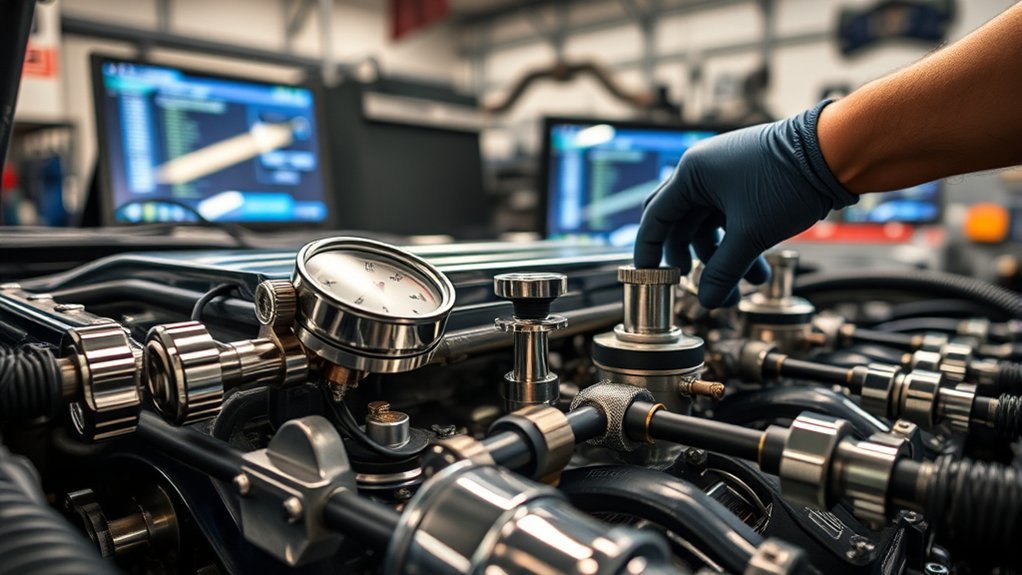
To guarantee your engine runs efficiently and reliably, it’s vital to maintain ideal air-fuel ratios (AFR). Typically, you should aim for a stoichiometric ratio of 14.7:1 for gasoline engines, which provides optimal combustion efficiency.
Running too lean, with a higher air-to-fuel ratio, can lead to overheating and severe engine damage. Conversely, a lower air-to-fuel ratio from running too rich can foul spark plugs and decrease your fuel economy.
Utilizing wideband oxygen sensors during tuning allows you to precisely monitor AFR, giving you the ability to make necessary adjustments. For modified engines, such as turbocharged variants, a slightly richer mixture may be required to handle increased airflow and prevent knocking.
Regularly checking and adjusting your air-fuel ratios after modifications is vital for ensuring longevity and optimal performance, especially in tuned vehicles. Adopting effective tuning techniques can greatly enhance your vehicle’s reliability and efficiency.
The Role of Quality Tuning Software and Experienced Tuners
Quality tuning software and experienced tuners are essential for achieving ideal engine performance and reliability after modifications.
Using superior tuning software allows you to make precise adjustments to critical parameters, ensuring your engine runs efficiently.
Here’s what to expect when combining top-tier software with skilled tuners:
- Accurate adjustments: Fuel maps, ignition timing, and boost levels tailored to your vehicle.
- Data interpretation: Experienced tuners analyze data logs and dyno charts for effective tuning.
- Prevention of pitfalls: Quality software helps avoid issues like improper air-fuel ratios and excessive boost pressures.
- Customized tunes: Skilled tuners consider modifications and driving conditions for enhanced performance.
Troubleshooting Engine Performance After a Tune
After tuning your engine, it’s vital to monitor its performance closely, as improper adjustments can lead to various issues. Watch for symptoms like poor fuel economy, rough idle, or elevated knock counts, which may signal tuning problems affecting performance.
Unusual engine noises or vibrations during normal driving can also indicate underlying issues from inadequate tune adjustments or supporting upgrades.
Utilize wideband oxygen sensors to check air/fuel ratios, guaranteeing they stay within ideal ranges; incorrect mixtures can cause serious engine damage.
Keep a log of all changes made during the tuning process, including performance data and error codes, to aid in troubleshooting any emerging issues.
Regularly inspect components such as spark plugs and coils, as tuned engines often experience increased wear, demanding more frequent maintenance to maintain reliability.
Effective performance monitoring is vital for maintaining engine health after a tune.
Frequently Asked Questions
Can a Tune Improve Reliability?
Yes, a tune can improve reliability by enhancing performance gains while prioritizing engine longevity. By optimizing parameters and reducing strain, you guarantee your engine runs efficiently, minimizing potential issues and extending its lifespan. Regular monitoring is key.
Does a Stage 1 Tune Decrease Reliability?
A Stage 1 tune doesn’t typically decrease reliability, as it enhances performance while minimizing engine stress. If you maintain tune longevity with regular checks and quality fuel, your engine can thrive without compromising its integrity.
Does a Stage 2 Tune Affect Reliability?
A Stage 2 tune can enhance performance, but it often introduces reliability trade-offs. You’ll need to guarantee proper hardware upgrades and cooling solutions to mitigate risks, so monitor maintenance closely for ideal engine longevity.
What Are the Disadvantages of Tuning a Car?
Tuning can boost performance, but it comes with significant risks. You might face reliability issues, increased costs for upgrades, and potential warranty voiding. Weigh those performance trade-offs carefully before making modifications to your vehicle.
Conclusion
Just like a finely tuned orchestra, your engine needs harmony to perform its best after a tune. By keeping an eye on its reliability and addressing any symptoms promptly, you guarantee each note resonates perfectly. Quality maintenance and the right expertise are your conductor and sheet music, guiding you through the performance. Embrace the journey of fine-tuning your engine, and watch it transform into a powerhouse of reliability and efficiency, ready to hit every high note on the road.






Leave a Reply