
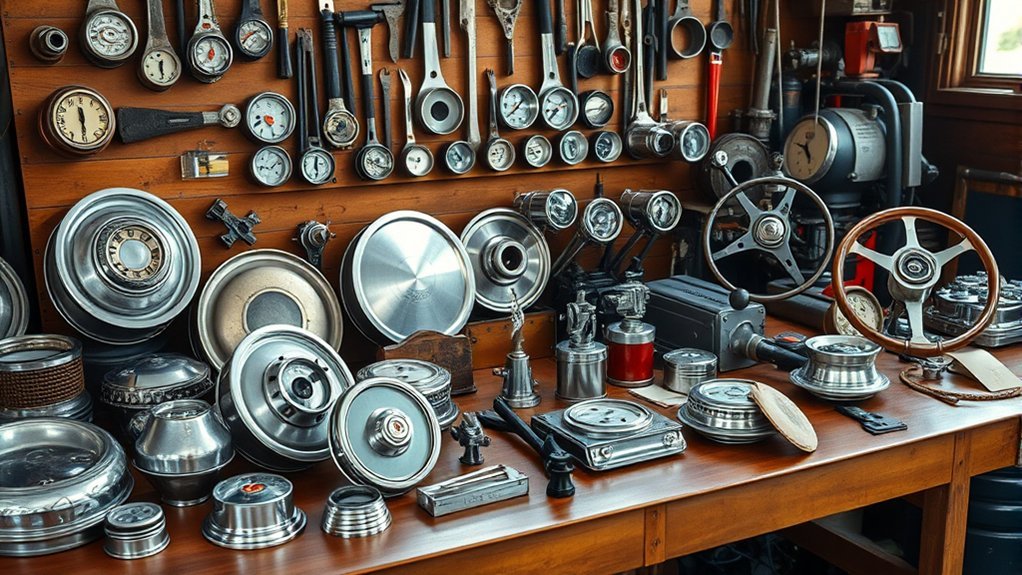
When sourcing classic car parts, it’s vital to prioritize genuine, used components for authenticity and performance. Trusted suppliers like Trinity Used Car Parts and MACs Antique Auto Parts offer high-quality selections, while verifying authenticity is key. Look for unique part numbers and OEM markings to guarantee you’re getting the real deal. Inspect parts carefully for damage and consider seller reputations to avoid counterfeits. Continue onward to discover more about essential parts for your restoration project.
Why Genuine Used Car Parts Matter for Classic Car Restoration
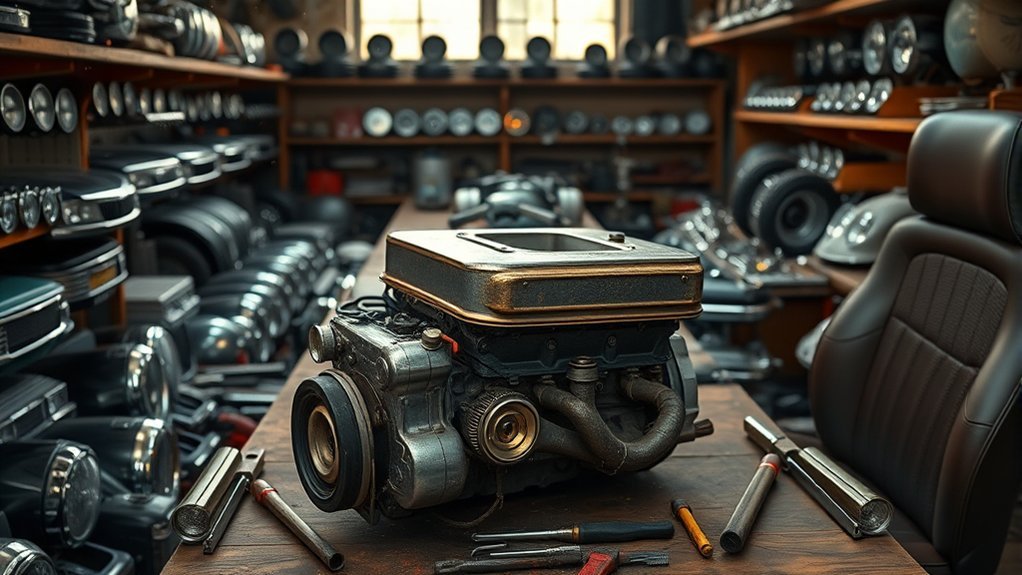
When restoring a classic car, using genuine used parts isn’t just a choice; it’s vital for preserving the vehicle’s authenticity and historical value.
These parts help maintain the original design features, which is important for enthusiasts like you who appreciate true restoration authenticity. OEM parts guarantee a perfect fit and function, enhancing performance while aligning with the car’s original specifications. Aftermarket options may compromise this integrity, leading to subpar results.
Moreover, genuine used parts often come at a fraction of the cost of new components, making them a cost-effective solution for vintage vehicles.
Trusted Suppliers for Classic Car Parts
How do you find reliable sources for classic car parts? Start by exploring renowned restoration suppliers like Trinity Used Car Parts, which specializes in high-quality, genuine components.
MACs Antique Auto Parts is another trusted name, offering an extensive inventory that classic car enthusiasts appreciate.
For those who prefer a seamless online experience, Kanter Auto Products provides a convenient search function tailored to the classic car community.
If you’re restoring a Chevrolet, check the official Chevrolet website for licensed restoration parts that guarantee authenticity and compatibility.
Additionally, the Classic Car Database is an invaluable resource, featuring a directory of vendors, services, and parts that can aid your sourcing strategies.
Essential Factors to Consider When Sourcing Vintage Car Parts
Sourcing vintage car parts requires careful consideration to guarantee you’re getting components that enhance your restoration project rather than hinder it.
Start by verifying the authenticity of parts through unique part numbers and manufacturer markings, making sure they meet original specifications. Compatibility with your specific make, model, and year is essential to avoid fitment issues that could complicate your restoration challenges.
Verify part authenticity and ensure compatibility with your vehicle’s make, model, and year to avoid fitment issues in your restoration project.
When evaluating used parts, inspect for damage, rust, or excessive wear, as these factors can compromise safety and performance.
Research seller reputations and reviews to avoid counterfeit parts and guarantee a reliable purchasing experience.
Finally, weigh the balance between original equipment manufacturer (OEM) parts and high-quality reproductions, as both can serve your needs based on the condition and rarity of the original components.
Implementing effective sourcing strategies will empower your restoration journey and enhance the overall quality of your classic car project.
How to Spot Authentic Classic Car Parts?
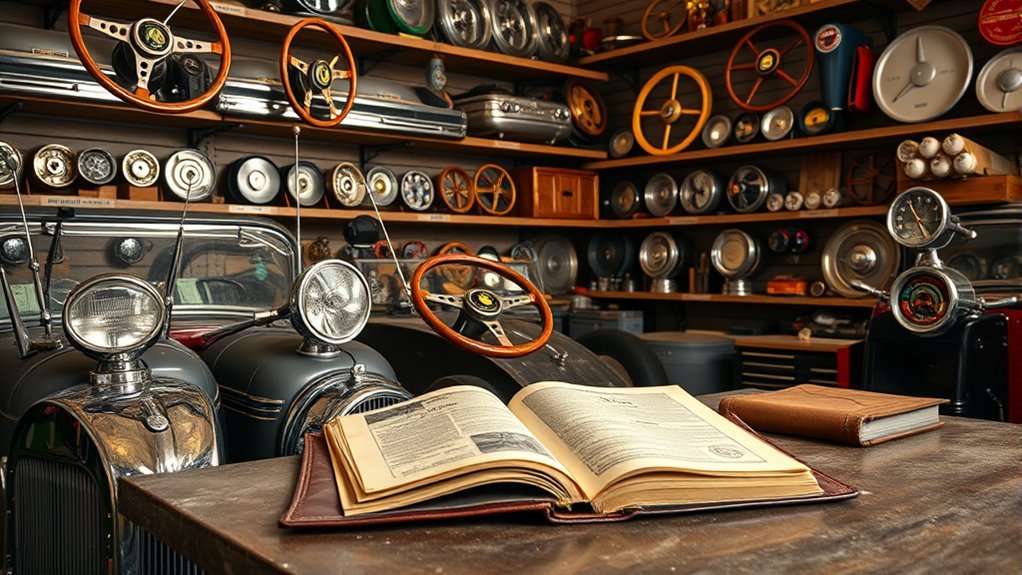
Have you ever wondered what sets authentic classic car parts apart from reproductions? To spot authenticity, start by identifying reproductions through unique part numbers and manufacturer markings that match your classic car’s original specifications.
Understanding OEM markings can greatly enhance your ability to verify a part’s authenticity. Always inquire about documentation or certificates from the seller that validate the part’s OEM status.
Next, assess the material and craftsmanship; genuine components should reflect the quality of the original design. If you’re uncertain, seek expert opinions or consult reputable sources within classic car communities who can authenticate parts before you commit.
Be cautious of reproductions that might seem suitable for restoration, as their quality could impact your vehicle’s historical value.
Prioritize original parts when possible to maintain your classic car’s integrity and guarantee its legacy remains intact.
Common Parts Needed for Classic Car Restoration Projects
When starting on a classic car restoration project, you’ll quickly discover that certain parts are indispensable for achieving both performance and aesthetic authenticity.
Engine components like cylinder heads and crankshafts are essential for maintaining reliability and power under the hood. Don’t overlook the braking systems; ensuring your vehicle has quality brake pads, rotors, and calipers is crucial for safety and functionality.
Additionally, suspension components—shocks, springs, and control arms—are important for restoring that smooth ride and handling characteristic of classic cars.
Interior restoration can’t be ignored either; parts such as seats, dashboards, and steering wheels help preserve the original style and comfort.
Finally, don’t forget about transmission parts like gears and clutches to guarantee smooth operation, especially in muscle and vintage cars.
Each of these components plays a pivotal role in bringing your classic car back to life, ensuring both performance and authenticity.
Frequently Asked Questions
What Tools Are Necessary for Classic Car Restoration Projects?
For classic car restoration projects, you’ll need essential equipment like wrenches, screwdrivers, a jack, a torque wrench, and a multimeter. These restoration tools will help you navigate the process and achieve your desired results efficiently.
How Do I Determine the Value of Classic Car Parts?
You’re not just guessing; you’re analyzing market trends and evaluating part condition. Think of it as dating—looks matter, but so does compatibility. Research values online, and consult experts for the best insights into classic car parts!
Are There Warranties on Classic Car Parts?
Yes, some classic car parts come with warranty coverage, often ensuring parts longevity. It’s essential you check with suppliers. Understanding warranty terms can help you make informed choices and protect your investment in vintage vehicles.
What Are the Common Restoration Mistakes to Avoid?
Avoid rushing restoration timelines and underestimating budget constraints. Have you considered how overlooking details can lead to costly mistakes? Focus on quality over speed, and guarantee you plan thoroughly to achieve your dream restoration.
How Can I Find Local Classic Car Clubs or Communities?
To find local classic car clubs, check online forums and social media for groups in your area. Attend local events to meet enthusiasts, share knowledge, and build connections within the classic car community.
Conclusion
In the world of classic car restoration, finding genuine parts can feel like searching for a needle in a haystack—only the haystack is made of rusted metal and nostalgia. Yet, with trusted suppliers and a keen eye, you can revive that vintage beauty. Ironically, while sourcing these elusive components may seem challenging, it’s often the thrill of the chase that transforms the process into an adventure. So, buckle up and enjoy the ride; your dream car awaits!






Leave a Reply