
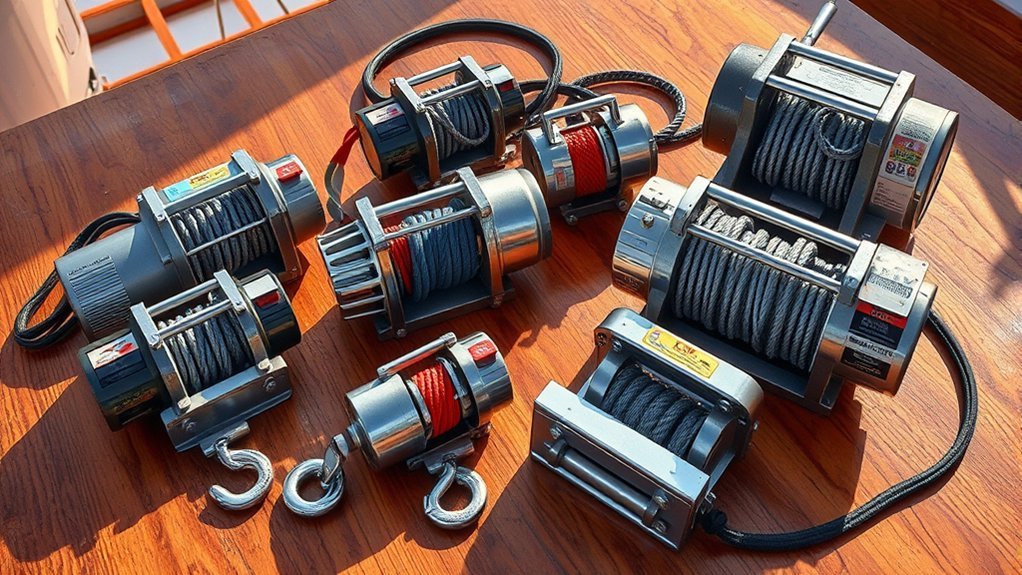
Choosing the right winch is less about guessing a popular size and more about matching rated line pull to your specific vehicle. Start with the Gross Vehicle Weight Rating (GVWR) on the driver-side certification label, multiply it by 1.5, and round up to the next available winch rating. Then confirm the winch, mount, rope, fairlead, electrical system, and recovery gear all fit your vehicle and intended use.
Quick Answer
For a truck, Jeep, or SUV used for self-recovery, multiply the vehicle’s manufacturer-assigned GVWR by 1.5, then round up to the next winch capacity. A vehicle with a 5,000-pound GVWR needs at least 7,500 pounds of rated line pull, so an 8,000-pound winch is the practical minimum.
Key Takeaways
- Use the GVWR printed on the vehicle certification label; do not calculate GVWR by adding curb weight, passengers, and cargo.
- For vehicle self-recovery, GVWR × 1.5 is a widely used minimum-capacity rule of thumb.
- Rated line pull is highest on the first rope layer and drops as more rope builds on the drum.
- Mud, snow, steep grades, buried tires, and poor approach angles can require better rigging or a double-line pull—not made-up percentage adjustments.
- Verify year, make, model, configuration, mount strength, rope specification, battery requirements, and fitment before buying or installing a winch.
At a Glance
| Time Required | 10–20 minutes for sizing and fitment checks |
| Difficulty | Easy for sizing; installation difficulty varies by vehicle and mount |
| Tools Needed | Vehicle certification label, calculator, winch manual, and vehicle-specific fitment guide |
| Cost | Sizing is free; equipment cost varies by capacity, rope, controls, mount, wiring, and installation |
Understanding Winch Size and Why It Matters
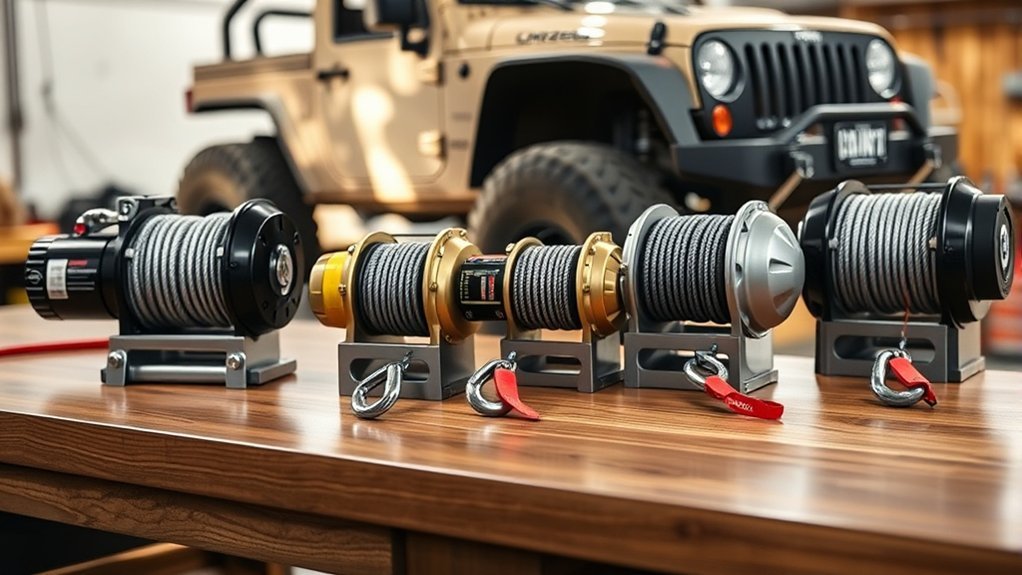
A vehicle winch is rated by line pull, usually in pounds. For truck, Jeep, and SUV self-recovery, a practical starting point is the manufacturer-backed formula GVWR × 1.5 = minimum rated line pull. WARN explains that GVWR should come from the vehicle’s certification label and should not be confused with curb weight. See the WARN winch-capacity guide.
The result is a baseline, not a promise that every recovery will be easy. A vehicle stuck to its frame in deep mud may resist movement far more than the vehicle’s weight alone suggests. In those cases, safer rigging, a better anchor, tire excavation, traction aids, or a double-line pull may be more useful than simply buying the largest winch available.
Use GVWR × 1.5 as the minimum self-recovery winch rating, then round up rather than down.
Warning: A winch is a high-force recovery tool. Never exceed the rated capacity of the winch, rope, hook, shackle, pulley, anchor, or mounting system. Read the exact winch and vehicle-mount manuals before installation or use.
How to Find GVWR and Calculate Minimum Winch Capacity
You do not calculate GVWR by adding curb weight, passengers, and cargo. The National Highway Traffic Safety Administration defines GVWR as the loaded vehicle weight specified by the manufacturer. On most U.S. vehicles, you can find it on the certification label attached to the driver-side door or door jamb.
GVWR Versus Other Weight Terms
| Term | What It Means | Use for Winch Sizing? |
|---|---|---|
| GVWR | The maximum loaded vehicle weight assigned by the manufacturer | Yes; use the certification-label value for the 1.5× baseline |
| Curb weight | The vehicle’s weight with standard equipment and fluids, but without its full payload | No; it can understate a trail-ready vehicle’s potential weight |
| Actual gross vehicle weight | What the vehicle weighs at that moment with people, fuel, cargo, and accessories | Useful as a reality check, but do not substitute it for the labeled GVWR baseline |
| Payload | The allowable combined weight of occupants, cargo, and added load | No; it is only one part of loaded vehicle weight |
Step-by-Step Winch Size Formula
- Find the exact GVWR. Read the certification label on your vehicle. Do not rely on a generic web specification because GVWR can change by model year, cab, wheelbase, drivetrain, axle package, and trim.
- Multiply GVWR by 1.5. A 5,000-pound GVWR produces a 7,500-pound minimum line-pull target.
- Round up to an available rating. If the calculation lands between ratings, choose the next higher capacity. For 7,500 pounds, an 8,000-pound winch is the practical minimum.
- Check the complete system. Confirm that the bumper or mounting plate, fasteners, frame attachment, rope, hook, shackles, pulleys, battery cables, and electrical system meet the chosen winch’s requirements.
- Verify vehicle fitment. Use the exact year, make, model, body configuration, and—when a fitment catalog requests it—the VIN to avoid ordering a mount or bumper that does not match your build.
Note: Added bumpers, armor, larger tires, racks, tools, and camping gear do not change the manufacturer’s original GVWR. They do increase actual weight and reduce remaining payload, which is another reason not to size from curb weight.
Winch Capacity Examples by GVWR
| Vehicle GVWR | GVWR × 1.5 | Practical Minimum Rating |
|---|---|---|
| 4,000 lb | 6,000 lb | 6,000 lb or the next available size up |
| 5,000 lb | 7,500 lb | 8,000 lb |
| 6,000 lb | 9,000 lb | 9,000–10,000 lb |
| 7,000 lb | 10,500 lb | 12,000 lb |
| 8,000 lb | 12,000 lb | 12,000 lb |
| 9,900 lb | 14,850 lb | 15,000 lb or higher |
These examples are only a sizing shortcut. The certification label and the winch manufacturer’s current fitment instructions control for your vehicle.
How to Choose the Right Winch Capacity for Your Vehicle
Start with the 1.5× GVWR minimum, then decide whether stepping up one common size makes sense. Extra capacity may provide more operating margin and reduce strain in difficult pulls, but a larger winch also adds weight, may draw more current, may not fit the available space, and still cannot compensate for weak mounting hardware or unsafe rigging.
For example, a vehicle with a 5,000-pound GVWR has a 7,500-pound minimum target. An 8,000-pound winch meets the baseline. A 10,000-pound model may be reasonable when it fits the approved mount and electrical requirements, but it is not automatically necessary for every 5,000-pound vehicle.
Also check the rating of the installed rope. The winch and rope form one system, and the rope must match the winch manufacturer’s specified diameter, length, attachment method, and capacity.
How Terrain Affects Winch Selection and Rigging
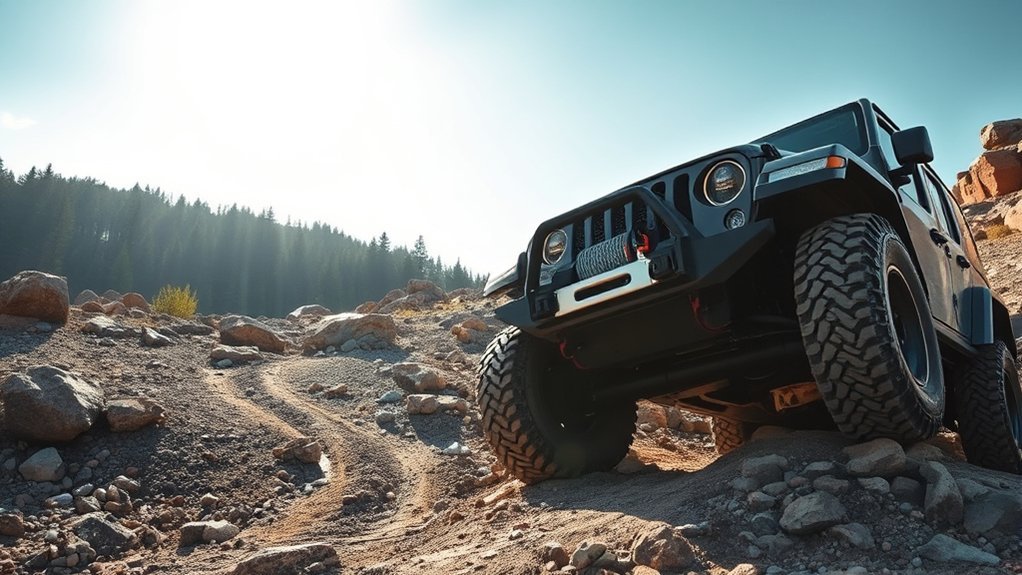
Terrain changes the resistance of a recovery. It does not create a reliable universal rule such as “add 30% for mud.” A tire rolling on firm ground is easier to move than a vehicle buried to the axles, wedged against a rock, or being pulled uphill.
Terrain Type Considerations
- Mud and soft soil: Suction and buried tires can create very high resistance. Dig around the tires, clear the chassis, add traction, and reassess the pull before loading the winch heavily.
- Snow and sand: Clear packed material from the tires and underbody. Use a stable anchor and avoid sudden shock loads.
- Rocky terrain: Protect synthetic rope from sharp edges with an abrasion sleeve and avoid dragging either rope type across rocks.
- Water crossings: Confirm the winch’s environmental rating and inspect electrical connections. Do not assume every winch is designed for submersion.
Incline and Surface Effects
Pulling uphill adds grade resistance, while mud, flat tires, locked wheels, and obstacles add rolling or dragging resistance. Keep the pull as straight as possible. Side pulls can stack rope at one side of the drum, damage the rope, and overload winch components.
When a straight single-line pull is not enough, the WARN Basic Guide to Winching recommends using appropriate rigging and a snatch block to increase mechanical advantage or change direction. Every pulley, shackle, strap, and anchor must be rated for the forces involved.
Why Drum Layers Change Pulling Power
A winch reaches its highest rated pull on the first rope layer around the drum. As additional layers build up, the effective drum diameter increases and pulling power decreases. Unspooling more line—while retaining the minimum number of wraps required by the winch manual—can improve available pull.
Pro Tip: Before adding load, stop and plan the full recovery path. Clear obstacles, identify the safest anchor, keep the pull straight, and decide whether a double-line setup will reduce strain on the winch.
Essential Features for a Reliable Vehicle Winch
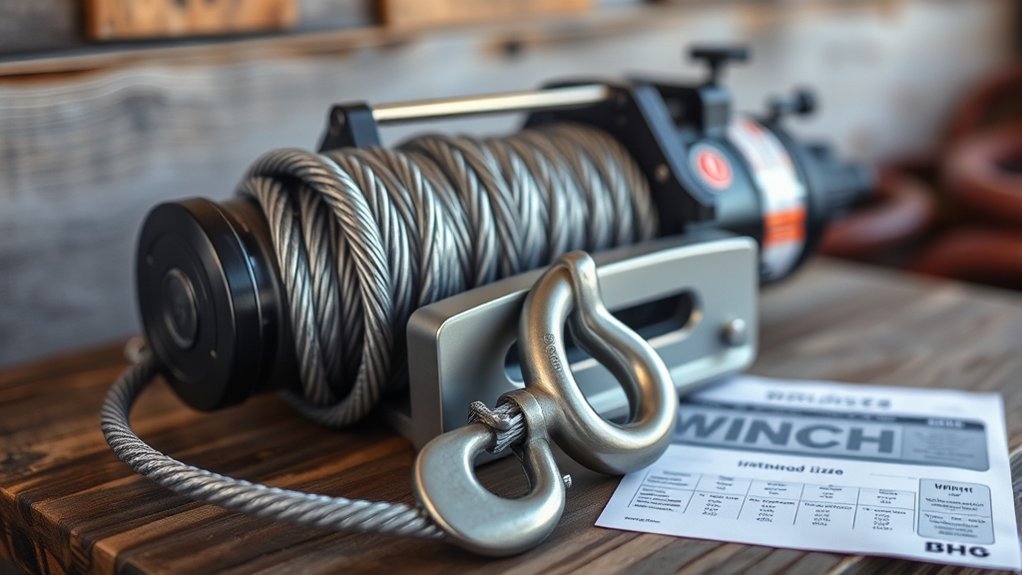
Capacity is only one part of a dependable setup. A properly selected winch must also fit the vehicle, connect to a strong mount, match the electrical system, and use compatible rope and rigging.
| Feature | Why It Matters | What to Verify |
|---|---|---|
| Rated line pull | Sets the maximum first-layer pulling capacity | At least GVWR × 1.5 for vehicle self-recovery |
| Vehicle-specific mount | Transfers recovery force into the vehicle structure | Approved fitment, bolt pattern, frame attachment, hardware grade, and maximum capacity |
| Rope and fairlead | Affects handling, abrasion resistance, weight, and spooling | Correct rope diameter and length, compatible fairlead, and no sharp damage |
| Braking system | Helps hold the drum when the motor stops under load | Correct winding direction and model-specific operating instructions |
| Motor, gearing, and duty cycle | Affects line speed, heat, current draw, and service life | Performance chart, cooling intervals, and intermittent-duty limits |
| Electrical requirements | Low voltage and poor connections reduce performance and create heat | Battery condition, cable gauge, routing, terminals, grounding, and manufacturer instructions |
| Controls and sealing | Affects operator position and resistance to weather or contaminants | Wired or wireless control, visibility of the load, and the exact IP rating when claimed |
A planetary gear train is common in recreational electric winches, but gear type alone does not establish quality. Compare tested line speed, amp draw, duty-cycle guidance, service support, warranty terms, and replacement-part availability.
An automatic brake is meant to help prevent the drum from paying out when the motor stops under load. It is not a general permission to release a loaded cable by disengaging the clutch. Follow the exact operator’s manual, and never move the clutch while the rope is tensioned unless the manufacturer specifically instructs otherwise.
Synthetic Rope Versus Steel Cable
Both rope types can work well when correctly matched to the winch and inspected before use. The WARN Winch Rope FAQ notes that synthetic rope is lighter and easier to handle but more vulnerable to abrasion, UV exposure, and chemical damage. Steel cable is durable and abrasion-resistant but heavier, can rust, and may develop sharp burrs.
| Rope Type | Advantages | Tradeoffs |
|---|---|---|
| Synthetic | Lightweight, easy to handle, no metal burrs, lower stored energy than steel | Needs abrasion protection, careful cleaning, UV/chemical awareness, and a compatible fairlead |
| Steel | Durable around abrasive work and generally less sensitive to UV exposure | Heavier, can rust or kink, and may develop sharp broken wires |
Do not choose replacement rope by winch rating alone. Diameter and length are model-specific. A 3/8-inch rope is used on many 12,000-pound winches, but the correct answer is always the exact rope listed by the winch manufacturer for that model.
Common Winch Sizes and Their Applications
The following ranges describe common applications, not guaranteed fitment. Always run the GVWR formula and check the manufacturer’s current vehicle and mount requirements.
- 2,500 to 3,500 pounds: Common for lighter ATVs, depending on the machine’s loaded weight and manufacturer guidance.
- 3,500 to 5,000 pounds: Common for many UTVs and heavier powersports vehicles.
- 8,000 to 10,000 pounds: Often used on lighter or midsize trucks, Jeeps, and SUVs whose labeled GVWR supports that range.
- 10,000 to 12,000 pounds: Common for many midsize and full-size vehicle applications after fitment and GVWR checks.
- 12,000 to 16,500 pounds: Used for heavier trucks and large SUVs where the 1.5× calculation, mount, and electrical system call for more capacity.
Do not size a trailer-loading winch with the same shortcut used for self-recovery. A rolling vehicle on tires may require far less line pull than its total weight, while a steep trailer angle, flat tire, brake drag, full drum, or damaged wheel can increase the required pull sharply. Use the trailer-winch manufacturer’s rolling-load chart for the actual slope and conditions.
Recovery Gear You Need With a Winch
A winch by itself is not a complete recovery system. Carry equipment that is rated for the expected load and compatible with your rope and recovery points:
- Heavy leather gloves and a hook strap
- Tree-trunk protector or suitable anchor strap
- Rated bow shackles or soft shackles used as their manufacturer directs
- Rated snatch block or recovery pulley
- Winch damper
- Rope abrasion sleeve for synthetic line
- Shovel and traction aids
- Basic hand tools and the winch operator’s guide
Top Safety Tips for Winching on Off-Road Adventures
Winching creates enough force to break rope, damage recovery points, or move a vehicle without warning. Slow down, assign one operator, keep communication clear, and stop whenever the setup changes.
Wear Protective Gear
Wear heavy leather gloves whenever you handle steel or synthetic rope. Add eye protection, sturdy footwear, and clothing that will not catch in the drum, fairlead, hook, or moving rigging. Use the hook strap to keep fingers away from the fairlead while spooling.
Maintain a Safe Distance and Stay Out of the Line of Fire
There is no single 50-foot rule that fits every setup. Keep all unnecessary people well away from the winching area and never stand over, straddle, or directly in line with a tensioned rope. Also avoid the inside of angles created by pulleys or redirected lines. The operator should maintain a clear view of the vehicle, load, and rigging while standing in the safest practical position allowed by the control system.
Place a winch damper near the midpoint of the loaded line as directed by the winch manufacturer. A damper is an extra precaution, not a substitute for rated gear, inspection, and safe positioning.
Inspect Equipment Before Every Pull
- Replace frayed, kinked, crushed, cut, heavily abraded, corroded, or heat-damaged rope before use.
- Check the hook, latch, thimble, shackles, straps, pulleys, recovery points, and anchor for damage or distortion.
- Confirm the winch and mount fasteners are secure and the electrical cables are tight, protected, and undamaged.
- Check that rope is evenly spooled and exits the drum in the direction required for the brake to function.
- Test controls without load before entering a remote area.
Rig Correctly and Avoid Shock Loading
Use a straight, steady pull. Never drive the recovering vehicle to jerk or shock-load a tensioned winch rope. Do not use a vehicle-recovery winch as a tow strap, tie-down, or hoist, and never suspend a person or load from a winch that is not specifically rated for lifting.
Use only rated vehicle recovery points. Do not attach to a tow ball, suspension arm, steering component, bumper skin, or an unverified tie-down loop. Be certain the anchor can withstand the pull and that a tree strap will not slip.
Warning: Never touch the rope, hook, pulley, or rigging while the line is under tension. Never engage or disengage the clutch under load. Stop immediately if the rope piles up at one side of the drum, the winch stalls, a recovery point moves, or anyone enters the danger zone.
Common Winch Problems and What to Do
| Problem | Safe Response |
|---|---|
| Winch slows or stalls | Stop. Check for a bound load, excessive resistance, low voltage, poor connections, and too many rope layers. Re-rig or use a rated double-line pull rather than continuing to overload the motor. |
| Motor or cables become hot | Stop and allow the system to cool according to the manual. Inspect cable size, terminals, battery condition, current draw, and duty-cycle limits. |
| Rope piles on one side | Stop before the rope contacts the tie plate or damages itself. Remove the load, straighten the pull, and respool under proper tension. |
| Rope digs into lower layers | Unload the rope safely and respool it evenly under the manufacturer’s specified pretension before the next recovery. |
| Vehicle does not move | Stop and reassess. Clear mud, snow, or obstacles; confirm wheels can roll; improve the anchor; reduce grade or direction resistance; and use rated mechanical advantage if appropriate. |
Frequently Asked Questions
How do you figure out what size winch you need?
Find the GVWR on the vehicle’s certification label, multiply it by 1.5, and round up to the next available winch rating. Then verify the mount, rope, fairlead, battery requirements, dimensions, and vehicle-specific fitment.
What size winch rope should you use for a 12,000-pound winch?
Use the exact diameter, length, construction, attachment method, and capacity listed for that winch model. Many 12,000-pound vehicle winches use 3/8-inch rope, but that is not a universal specification. Never install a generic rope based only on nominal winch capacity.
Will a 2,000-pound winch pull a car onto a trailer?
Possibly, but the car’s total weight alone does not answer the question. Trailer winches are selected by required line pull, rolling resistance, incline, wheel condition, drum layers, and the manufacturer’s rolling-load chart. A 2,000-pound winch may move a much heavier freely rolling vehicle on a mild incline, yet be inadequate for a steep ramp, flat tire, brake drag, or damaged wheel.
What size winch is appropriate for a 5,000-pound-GVWR truck?
The 1.5× formula gives a 7,500-pound minimum, so an 8,000-pound winch is the practical baseline. A 10,000-pound winch can provide additional margin when it fits an approved mount and the vehicle’s electrical system can support it.
Can a winch be too large for a vehicle?
Yes. An oversized winch may be too heavy, physically incompatible with the bumper or mount, or beyond the mount’s rating. It may also demand more electrical capacity. The complete installation must be approved for the vehicle, not just powerful enough on paper.
Does a snatch block double winch capacity?
A correctly rigged double-line pull increases mechanical advantage and reduces load on the winch, but real systems have friction losses. Treat every rope segment, pulley, shackle, strap, anchor, and recovery point as loaded equipment and follow the winch manufacturer’s rigging diagram.
Conclusion
The right winch size starts with one reliable number: the GVWR printed on your exact vehicle. Multiply it by 1.5, round up, and confirm that the complete system—from the frame-mounted plate to the rope and electrical cables—is approved for the job. Good rigging, clear communication, regular inspection, and safe positioning matter as much as the number on the winch.
Sources
- National Highway Traffic Safety Administration: GVWR interpretation — defines GVWR as the manufacturer-specified loaded vehicle weight.
- WARN: Determine the Right Winch Capacity — supports the GVWR × 1.5 sizing baseline.
- WARN Basic Guide to Winching — supports line-pull-by-layer, rigging, accessories, maintenance, and safety guidance.
- WARN Winch Rope FAQ — supports rope selection, inspection, replacement, and steel-versus-synthetic considerations.
- WARN ZEON Platinum Operator and Installation Manual — supports mounting, clutch, rope, anchor, inspection, and safe-operation requirements.
- Dutton-Lainson StrongArm Electric Trailer Winch Owner’s Manual — supports rolling-load selection by incline and explains why trailer loading differs from self-recovery sizing.







Leave a Reply