
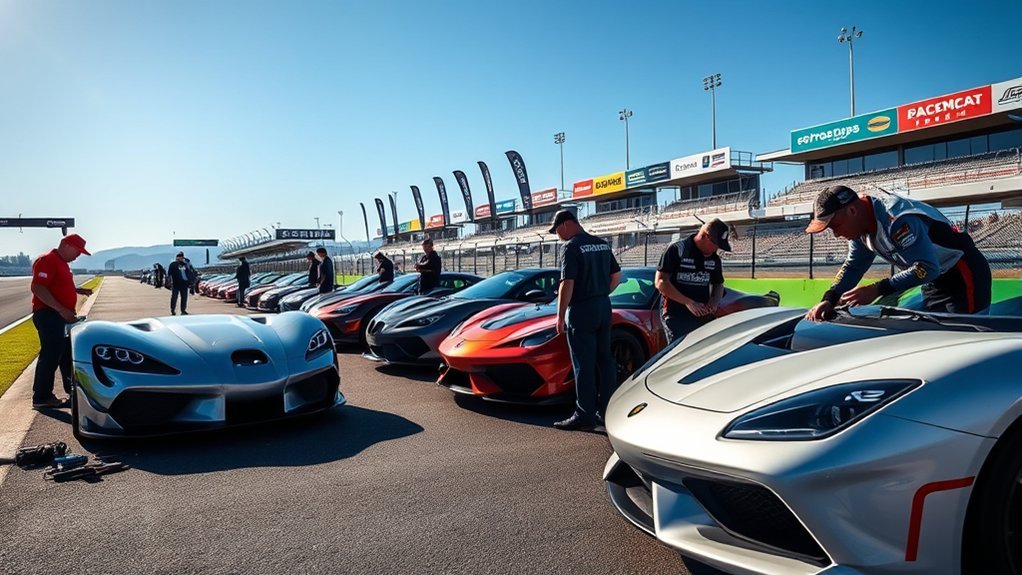
Choosing a track day preparation shop is less about finding the flashiest performance brand and more about finding a shop that can follow your event’s rules, inspect your exact vehicle, explain its recommendations, and document the work. A good shop puts safety and reliability ahead of unnecessary upgrades so you arrive with a car that is ready for a high-performance driving event (HPDE).
Quick Answer
Choose a track day shop that has recent experience with your vehicle and event type, uses the organizer’s current tech sheet, provides a written estimate, records measurements, and explains why each service is needed. Favor safety-first inspection and maintenance over automatic upgrade packages, and avoid shops that promise your car is “track-proof.”
Key Takeaways
- Download the event’s current rules and tech sheet before asking a shop for a quote.
- Look for experience with your make, model, modifications, and type of track event—not just general repair experience.
- Require a written scope covering parts, labor, measurements, approval limits, and warranties.
- Fix leaks, brake, tire, steering, suspension, battery, and restraint problems before buying performance upgrades.
- Remember that a shop inspection does not transfer responsibility for the car’s condition away from the driver.
At a Glance
| Time Required | About 30–60 minutes to compare shops; inspection and repair time depend on the vehicle and work order |
| Difficulty | Easy to compare shops; technical inspection and repairs should be handled by a qualified person |
| Tools Needed | Event rules, tech sheet, vehicle details, service records, modification list, tire information, and written quotes |
| Cost | Quote-dependent; a safety inspection may be modest, while tires, brakes, repairs, or setup work can make the bill much higher |
Note: This guide focuses on car track days and HPDE events. Motorcycle track days use different technical, clothing, helmet, and machine-preparation rules, so riders should choose a motorcycle race-preparation shop and follow that organizer’s current rulebook.
Why Selecting the Right Shop Is Crucial for Your Track Day Success
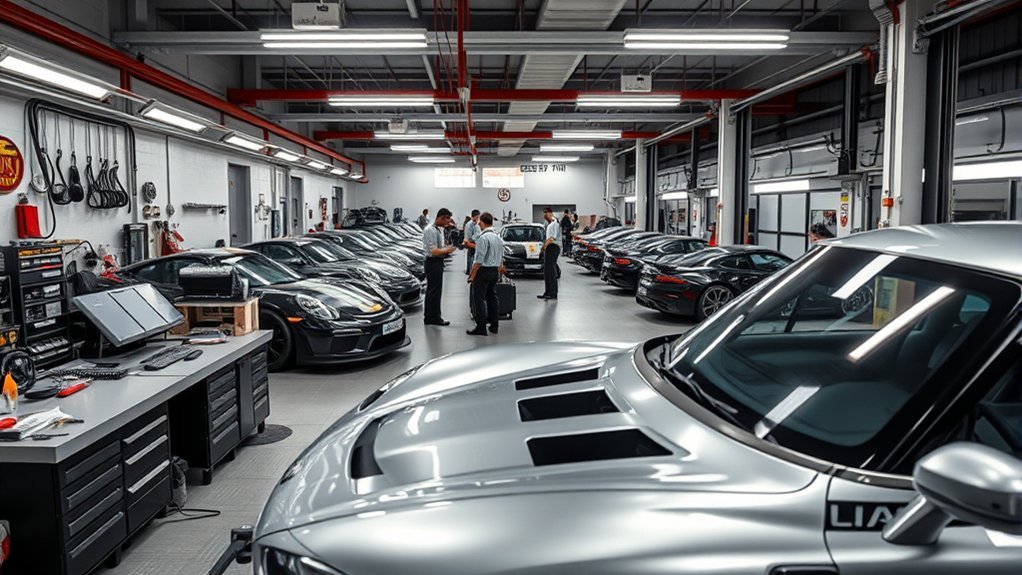
A track day places more heat and repeated load on brakes, tires, fluids, wheel bearings, cooling parts, and fasteners than ordinary commuting. The right shop understands that the goal is not simply to make more power. The goal is to find weak points before the event and prepare the car for the rules and demands it will actually face.
A knowledgeable shop should ask which organizer and track you are attending, your run group, your driving experience, the vehicle’s year and model, its modifications, the age and condition of its consumables, and whether it must remain comfortable and legal for road use. Those questions show that the shop is building a plan around your needs instead of selling a generic package.
Personal fitting still matters for safety gear, especially a helmet. However, the shop should verify the certification accepted by your event rather than assuming every motorsports helmet is allowed. The Snell Foundation now publishes an SA2025 certified-helmet list, but organizers may accept several standards and model years. Check the event page before buying or renting.
Local motorsports relationships can also help. A shop that regularly supports your track, club, or vehicle platform may know common sound limits, convertible rules, brake demands, alignment needs, and parts lead times. Community ties are useful, but they should support—not replace—documented skill, clear communication, and a proper inspection.
The best track-day shop is not the one that recommends the most parts. It is the one that can explain what the car needs, what it does not need, and how each decision connects to the event rules.
Start With the Event Rules and Tech Sheet
Before contacting shops, download the current technical inspection form and rules from your event organizer. Requirements can differ by organizer, track, vehicle type, run group, and local policy. For example, the current NASA HPDE/Time Trial inspection form checks tires, lug nuts, wheel bearings, steering play, leaks, battery security, brakes, belts or harnesses, helmets, seats, and loose objects. The SCCA Track Night tech sheet adds items such as brake-pad condition, rotor condition, tire speed rating, throttle return, mirrors, wipers, and secure camera mounting.
Send that exact form to each shop when requesting a quote. Ask whether the technician will sign or stamp it if the organizer permits pre-tech inspection. Some events still conduct their own check at the track, and a completed shop inspection may not replace event tech.
Warning: Passing a shop inspection or event tech check is not a guarantee against failure. NASA and SCCA forms place responsibility for vehicle condition on the participant. Stop driving and seek help if you notice a soft brake pedal, fluid leak, tire damage, steering looseness, overheating, unusual vibration, or warning light.
Also confirm vehicle-eligibility rules before paying for modifications. The current SCCA Track Night rules, for example, address street-vehicle eligibility, convertibles, electric vehicles, seats and belts, sound limits, camera mounts, and driver equipment. A shop cannot make an ineligible vehicle acceptable without knowing the rule that caused the problem.
Key Services to Look For in Track Preparation Shops
Prioritize services that establish a safe baseline. Performance work should come after the shop confirms that the vehicle is mechanically sound and suitable for the event.
| Service Type | Why It Matters | Useful Deliverable |
|---|---|---|
| Pre-track safety inspection | Finds leaks, wear, looseness, damage, and rule-compliance problems | Completed tech sheet plus written findings |
| Brake evaluation and service | Checks pad life, rotor condition, fluid, hoses, leaks, pedal feel, and brake lights | Pad measurements, fluid specification, service date, and parts list |
| Tire and wheel service | Confirms condition, size, load and speed rating, age, balance, and wheel integrity | Cold-pressure starting plan and torque specification |
| Alignment and suspension check | Finds play or damage and sets alignment within safe, usable limits | Before-and-after alignment printout |
| Cooling and fluid inspection | Checks levels, leaks, hoses, caps, service history, and vehicle-specific fluid requirements | Written condition report and service records |
| Post-track support | Identifies wear or heat-related problems before normal road use or the next event | Post-event inspection notes and maintenance plan |
Tailored preparation packages can be convenient, but the package should still be itemized. Tire mounting, balancing, alignment, brake service, and fluid work are different jobs. Ask which items are required, which are recommended, and which are optional.
Corner balancing can help a car with adjustable suspension, but it is not a universal requirement. Likewise, aggressive alignment settings may shorten tire life or make the car less stable on the street. A qualified shop should discuss the car’s use, tire type, suspension adjustment range, driver weight, and event goals before changing the setup.
Pro Tip: Ask the shop to record objective values instead of writing only “good” or “bad.” Pad thickness, tire age and tread, alignment angles, wheel torque, fluid type, leak location, and fault codes make the report easier to understand and compare later.
How to Evaluate a Shop’s Reputation and Experience
Online reviews are useful when you read them for patterns, but they are only one part of the decision. Combine recent feedback with credentials, platform experience, work samples, communication quality, and a written estimate.
Check Credentials Without Treating Them as a Guarantee
Look for current technician credentials that match the work being performed. The ASE Blue Seal business locator can help identify shops employing a high share of ASE-certified professionals. Certification is a useful signal, not proof that a shop has track-specific skill or will make the right recommendation for your car.
For specialized work, ask about manufacturer training, motorsports fabrication experience, alignment equipment, tire equipment, and any certifications needed for the systems being serviced. A shop that handles high-voltage vehicles, air-conditioning refrigerant, welding, roll bars, or racing restraints should have the correct training and equipment for that work.
Verify Relevant Track and Vehicle Experience
Ask for examples involving your make, model, drivetrain, and level of modification. A technician who understands a common weak point on your platform may be more useful than a shop with a wall of race trophies but little experience with your vehicle.
Relevant experience also includes knowing when to leave the car alone. For a first HPDE in a healthy street car, the best plan may be maintenance, fresh consumables where needed, a conservative alignment, and no major modifications. A good shop will not turn a beginner’s event into an unnecessary build.
Visit the Shop and Review Its Process
During an in-person visit, look for orderly work areas, labeled parts, protected interiors, calibrated equipment, and clear vehicle-control procedures. Ask how the shop documents wheel torque, test drives, fluid specifications, and customer approval. Cleanliness alone does not prove skill, but a repeatable process lowers the chance of missed steps.
Transparency is essential. A reliable shop should explain labor rates, diagnostic charges, storage fees, parts choices, approval limits, completion timing, and warranty terms before work begins.
What You Can Expect to Pay for Track Preparation Services
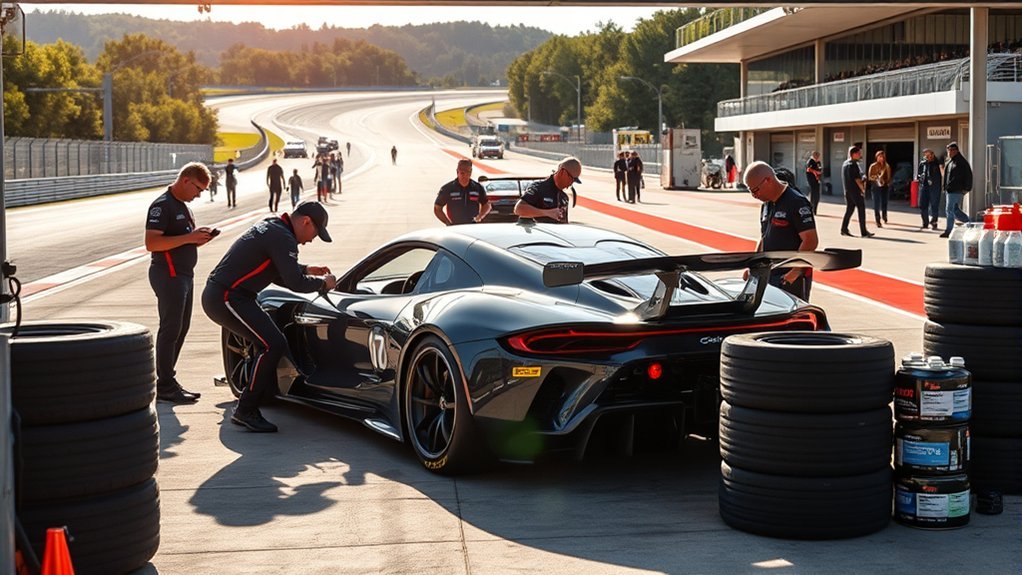
There is no dependable nationwide price for track preparation. Rates vary by region, vehicle, shop type, parts, inspection depth, and how much repair work the car needs. A basic inspection may involve limited labor, while tires, brake parts, cooling repairs, alignment work, or damaged components can turn the same appointment into a much larger job.
Instead of relying on a generic $100-to-$500 promise, ask each shop to price the same written scope. The Federal Trade Commission’s Auto Repair Basics guidance recommends asking how a shop prices its work, whether diagnostic charges apply, and what the written estimate includes. The estimate should identify the condition, parts, anticipated labor, and the amount that requires your approval before extra work begins.
| Cost Category | What to Confirm | Common Source of Surprise |
|---|---|---|
| Inspection or diagnostic labor | Flat fee, billed time, and whether the fee is credited toward repairs | Additional diagnosis after the first inspection |
| Parts and consumables | Brand, part number, quantity, fluid specification, taxes, and disposal fees | Hardware, shop supplies, shipping, or expedited parts |
| Alignment or setup | Standard alignment, custom targets, corner balance, and adjustment time | Seized adjusters, worn parts, or extra setup changes |
| Post-service checks | Road test, leak check, re-torque policy, and documentation | Separate charge for follow-up inspection |
Compare total value, not only the hourly rate. A higher rate can still cost less if the shop diagnoses the problem accurately, avoids unnecessary parts, and completes the work once. A lower rate is not a problem by itself, and it does not mean the shop lacks skill.
How to Compare Budget-Friendly and Premium Track Preparation Costs
“Budget” and “premium” are marketing labels, not technical standards. Compare the scope, technician experience, parts, measurements, documentation, warranty, and turnaround time. The best value is the least expensive option that meets the event rules and safely addresses the car’s actual condition.
Comparing Gear Costs
Do not choose helmets, suits, gloves, shoes, or restraints by price alone. First identify what the organizer requires, then compare compliant products by fit, certification, comfort, service life, and replacement support.
| Gear Type | Lower-Cost Approach | Higher-Cost Approach |
|---|---|---|
| Helmet | Organizer-approved rental or a properly fitted entry-level certified helmet | Lighter materials, added ventilation, communications, or premium fit features |
| Clothing and footwear | Event-compliant closed-toe shoes and clothing | Certified fire-resistant apparel when required or chosen for added protection |
| Restraints and seats | Keep safe, event-legal factory equipment in good condition | A properly engineered system installed to the organizer’s rules |
More expensive gear is not automatically safer for your event if it does not fit, is installed incorrectly, or conflicts with the rulebook. Never mix a racing harness, seat, roll bar, head-and-neck restraint, or airbag change without reviewing the complete restraint system with a qualified specialist.
Evaluating Labor Expenses
Ask whether labor is billed by flat-rate time, actual time, or a package price. Then compare what is included. A useful quote states whether the shop will inspect, measure, clean, replace, bleed, align, road-test, recheck, and document each item.
Do not assume a low-cost shop lacks specialized knowledge or that a premium shop includes data analysis and performance tuning. Verify those services in writing. For costly or complicated recommendations, seek a second opinion before authorizing work.
Assessing Track Fees
The preparation-shop bill is only one part of the day. Build a complete budget using the event’s current registration page and your own travel plan:
- Event entry: Registration, instruction, membership, garage, timing, or cancellation terms.
- Safety equipment: Helmet purchase or rental and any clothing required by the organizer.
- Vehicle consumables: Fuel, brake wear, tires, fluids, and replacement hardware.
- Travel: Lodging, meals, tolls, trailer rental, tow-vehicle fuel, and parking.
- Risk protection: Optional track-day physical-damage coverage, towing, and emergency funds.
Use the organizer’s current prices rather than old forum posts. Also review your personal auto policy and any event-specific policy before assuming on-track damage is covered.
How to Read Customer Reviews Like a Pro
Reviews can reveal how a shop behaves when a job is complicated, delayed, or disputed. A perfect star rating with little detail is less useful than several recent reviews that describe the vehicle, service, communication, and outcome.
Identify Key Themes
- Relevant expertise: Look for repeated examples involving track preparation, your vehicle platform, alignments, brakes, tires, or diagnostics.
- Communication: Note whether the shop explains findings, requests approval, provides updates, and answers questions without pressure.
- Estimate accuracy: Look for comments about itemized quotes, surprise charges, parts delays, and whether the final invoice matched the approved scope.
- Problem handling: Pay attention to how the shop responds when a repair does not solve the issue or a customer raises a warranty concern.
- Current service level: Give more weight to recent reviews because staff, ownership, equipment, and workload can change.
Look For Patterns
One negative review may reflect a misunderstanding, and one glowing review may reflect an unusually simple job. Repeated complaints about missed deadlines, poor documentation, loose wheels, fluid leaks, damaged interiors, unapproved work, or refusal to explain charges deserve attention.
Read the shop’s responses as well. Calm, specific replies that offer to review records are more reassuring than insults, threats, or copied responses. Still, reviews cannot confirm technical quality on their own, so use them to guide questions rather than make the entire decision.
What Questions Should You Ask When Selecting a Track Day Shop?
Bring the tech sheet and ask the same core questions at every shop:
- Have you prepared this year, make, model, and drivetrain for an HPDE or similar event?
- Will you inspect every item on this organizer’s current form and document the results?
- Who will work on the car, and what training or track-specific experience does that person have?
- What measurements will I receive for brakes, tires, alignment, suspension play, fluids, and wheel torque?
- Which services are required for safety, which are preventive, and which are optional performance upgrades?
- What parts and fluids will you use, and do they match the vehicle manufacturer’s specifications?
- What is the written total, approval limit, labor method, diagnostic fee, and expected completion date?
- What warranty applies to parts and labor, and what is excluded for competition or track use?
- Will modifications affect road legality, emissions compliance, ride quality, tire life, or manufacturer warranty claims?
- Do you offer a post-event check, and what symptoms should make me stop driving immediately?
Ask about helmet rental, instruction, fire and rescue resources, and event fees directly from the organizer—not the repair shop—unless the shop is also the official event provider. Street-car HPDE organizers generally do not install or provide an in-car fire-suppression system for each participant.
Red Flags When Choosing a Track Preparation Shop
- No interest in the rulebook: The shop recommends parts without asking which event or track you will attend.
- Guaranteed safety claims: No honest shop can promise that a vehicle will not fail on track.
- Automatic upgrade bundles: The same brake, tire, suspension, and fluid package is prescribed for every car and driver.
- No written authorization: The shop will not provide an estimate or approval limit before starting work.
- No measurements: Recommendations are based only on vague statements such as “looks worn.”
- Unsafe shortcuts: The shop suggests mixing restraint parts, defeating safety systems, using incorrect fluids, exceeding tire limits, or ignoring leaks and warning lights.
- Pressure tactics: You are told that an expensive modification must be approved immediately without a clear safety reason.
- Poor records: The invoice does not list parts, labor, specifications, or completed work.
Additional Costs to Consider for Track Day Preparation

Registration is only the starting point. Your total can also include helmet rental or purchase, required clothing, fuel, tires, brake pads, brake fluid, oil, filters, alignment work, repairs, towing, lodging, meals, tolls, a garage space, and optional track-day insurance.
Tire and brake costs vary greatly by vehicle and pace. A lightweight car on durable street tires may use little during a novice day, while a heavy or powerful car can consume much more. Do not budget from an average “per day” number without considering tire size, compound, track surface, temperature, session length, and driving style.
Unexpected maintenance can also appear during inspection. Set aside a reserve for worn wheel bearings, cracked bushings, leaking dampers, damaged tires, old hoses, weak batteries, missing hardware, or overdue service. Repair safety problems before paying for power or appearance upgrades.
Track use can affect warranty or service-contract claims when a modification or use causes the damage at issue. The FTC explains that using independent service or aftermarket parts does not automatically cancel a vehicle warranty, but coverage may be denied for damage caused by a defective part or incorrect installation. Keep all estimates, invoices, alignment sheets, fluid details, and maintenance records. See the FTC’s auto warranty guidance for the general federal consumer rules.
Tips for Finding Reputable Local Shops
- Ask the organizer: Event staff, instructors, and experienced drivers often know shops that regularly prepare cars for that specific venue.
- Ask platform clubs: A make- or model-specific club can identify shops familiar with common weak points and parts availability.
- Search for the service, not only “performance”: Include terms such as track inspection, race alignment, brake service, tire mounting, corner balance, and your vehicle model.
- Verify credentials: Check current certifications and ask who will actually perform the work.
- Visit before booking: Discuss the tech sheet, see how the shop documents work, and decide whether the communication style fits you.
- Compare equal scopes: Send the same vehicle information and checklist to at least two shops when the work is costly or complex.
Before the appointment, check the vehicle’s VIN for open safety recalls using the NHTSA recall lookup. Recall repairs are normally handled by an authorized dealer, so tell the preparation shop if an open recall affects brakes, steering, fuel, tires, electrical systems, or another safety-related area.
Essential Pre-Track Day Maintenance for Your Vehicle
A thorough inspection should follow the organizer’s checklist and the vehicle manufacturer’s service information. There is no universal fluid, tire-pressure, brake-pad, wheel-torque, or alignment specification for every car.
Safety Items the Shop Should Check
- Tires and wheels: Damage, tread, age, size, load and speed rating, valve condition, wheel cracks, lug hardware, and manufacturer-specified torque.
- Brakes: Pad thickness, rotor condition, leaks, hoses or lines, fluid level and condition, pedal feel, parking brake where applicable, and brake-light operation.
- Steering and suspension: Wheel-bearing play, ball joints, tie rods, bushings, dampers, mounts, fasteners, and steering free play.
- Engine and drivetrain: Oil, coolant, fuel, transmission, and other leaks; belts; hoses; caps; mounts; throttle return where applicable; and cooling-system condition.
- Battery and electrical: Secure battery mounting, covered terminals, charging condition, warning lights, and safely routed wiring.
- Cabin and safety equipment: Secure seats, legal belts or harnesses, required roll protection, helmet compliance, mirrors, glass, wipers, and removal of loose objects.
- Body and accessories: Secure panels, tow-point plan if required, sound compliance, camera mounting, and no loose trim or underbody parts.
A “full fluid change” is not automatically required before every event. Service each fluid according to its specification, condition, history, vehicle needs, and the event’s demands.
Maintenance Should Be Vehicle-Specific
Use the owner’s manual and manufacturer service information for fluid types, capacities, torque values, service procedures, and warnings. Ask the shop to explain any recommendation that goes beyond the manufacturer’s normal schedule. Track use may justify earlier inspection or replacement, but the reason should be tied to temperature, wear, contamination, known vehicle behavior, or event requirements.
Do not simply “tighten all critical bolts.” Fasteners should be inspected and torqued with the correct procedure and specification. Over-tightening wheel hardware, drain plugs, suspension fasteners, or aluminum components can cause damage just as under-tightening can.
Book the inspection early enough to allow parts ordering and a road test. For a first event or an unfamiliar car, one to three weeks of lead time is more comfortable than a last-minute appointment, though actual shop schedules vary.
What the Shop Should Give You After the Work
Before paying, review the completed repair order. It should list the work performed, parts and fluids used, labor charges, and any work that remains. Ask for:
- The completed event tech sheet, if the shop is permitted and willing to complete it.
- Brake-pad and tire-condition notes.
- The alignment printout and target explanation, if alignment work was performed.
- Wheel-torque specification and confirmation that the correct hardware is installed.
- Fluid brand, type, specification, and service date.
- Fault codes, test results, photographs, or measurements supporting recommended repairs.
- Parts and labor warranty terms in writing.
- A list of items to recheck before the first session and after the event.
Confirm that the car has no warning lights, leaks, abnormal noises, vibration, soft pedal, or steering problem before leaving. A road test cannot duplicate track loads, but it can catch basic problems after service.
Post-Track Day Support and Inspection
After the event, inspect the car before returning to normal use. Check tire damage and pressure, wheel hardware, brake-pad wear, rotor condition, leaks, fluid levels, underbody damage, and any new noise or vibration. Let hot components cool before touching them or opening fluid caps.
Schedule a shop check if the car overheated, went off course, hit a curb, developed a warning light, lost braking performance, showed an oil-pressure warning, or began leaking. Share notes about hot tire pressures, brake feel, temperatures, and handling. Those details help the shop make a targeted change instead of guessing.
Frequently Asked Questions
How Much Does an Average Track Day Cost?
There is no reliable single average. Add the current entry fee, instruction or membership, preparation and repairs, fuel, tire and brake wear, safety gear, travel, lodging, food, and optional track-day insurance. A novice in a healthy street car may spend far less than a driver who needs tires, brakes, repairs, and a hotel.
What Is a Good Cheap Track Day Car?
A good low-cost track car is reliable, mechanically healthy, easy to service, supported by affordable tires and brake parts, and accepted by the organizer. Common choices include the Mazda MX-5 Miata, Honda Civic, Toyota 86/Subaru BRZ, and similar lightweight cars, but condition and maintenance history matter more than the badge.
How Much Does One Track Day Cost?
Use a one-day worksheet rather than a broad estimate: event fee + required gear + preparation + fuel + expected consumables + travel + meals + an emergency reserve. Use live prices from the organizer, local shops, and your vehicle’s actual tire and brake sizes.
How Much Does It Cost to Do Track Days Regularly?
Annual cost depends on event count, travel, vehicle weight and power, tire choice, pace, and maintenance. Track each event’s fuel, pads, tires, fluids, entry, travel, and repairs. After several events, your own cost-per-day record will be more useful than a national estimate.
Should I Use a Dealer or a Motorsports Shop?
A dealer may be best for recalls, warranty diagnosis, software updates, and factory procedures. A motorsports shop may be better for track inspections, performance alignments, tire setup, and specialized parts. Some drivers use both. Choose the facility with the right experience for the exact task.
Can Track-Day Modifications Void My Warranty?
Aftermarket parts or independent service do not automatically cancel an entire warranty. However, a manufacturer may deny coverage for damage caused by a defective part, incorrect installation, misuse, or another excluded condition. Read your warranty, keep records, and ask how each modification affects coverage.
How Far Ahead Should I Book Track Preparation?
Book as soon as the event is confirmed. One to three weeks gives many drivers time for inspection, parts, repairs, and a road test, but busy seasons and uncommon parts can require more time. Avoid scheduling major work the day before the event.
Conclusion
Choosing the right track day shop can be the difference between arriving prepared and losing the day to a preventable problem. Start with the organizer’s current rules, then choose a shop that understands your vehicle, inspects before upgrading, measures what it finds, and puts every recommendation in writing. With a sound car, clear records, and a realistic budget, you can focus on learning and enjoying the track instead of worrying about avoidable surprises.
Sources
- NASA HPDE/Time Trial Technical Inspection Form (2026.1) — vehicle inspection items and participant responsibility
- SCCA Track Night in America Tech Sheet — driver, brake, tire, steering, drivetrain, and equipment checks
- SCCA Track Night Rules and Regulations — vehicle eligibility, convertibles, EVs, restraints, sound, cameras, and driver equipment
- Snell Foundation SA2025 Certified Helmet List — current automotive-competition helmet certification listings
- Federal Trade Commission: Auto Repair Basics — estimates, charges, credentials, records, and repair warranties
- NHTSA Recall Lookup — VIN-based checks for unrepaired safety recalls







Leave a Reply