
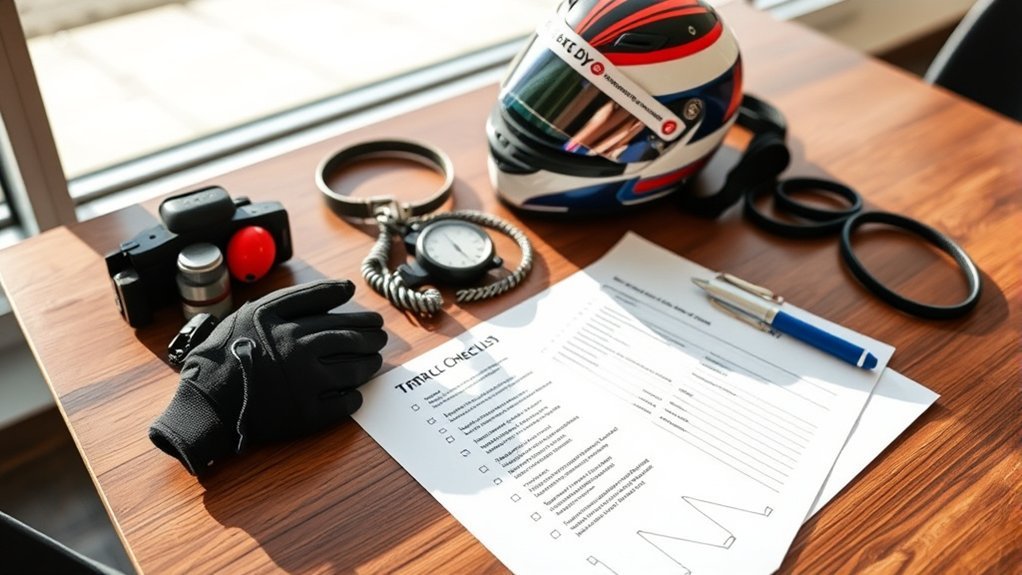
A good track day starts before the engine is fired. Your car must pass the organizer’s inspection, your helmet and clothing must meet the event rules, and you need enough tools, water, food, and time to stay focused. This track day checklist covers preparation before the event, checks between sessions, and maintenance before driving home.
Quick Answer
Before a track day, verify the event rules, inspect the brakes, tires, wheels, fluids, battery, steering, suspension, seats, and belts, and remove every loose item. Bring an approved helmet, basic tools, water, food, and a transport plan. Recheck the car between sessions and before driving home.
Key Takeaways
- The organizer’s tech sheet and venue rules take priority over any general track day checklist.
- Brakes, tires, wheel hardware, fluid leaks, battery mounting, seats, and belts are the highest-priority vehicle checks.
- Helmet certifications, clothing rules, age limits, and vehicle eligibility vary by event and track.
- Remove loose objects and inspect the car before the first session, between sessions, and before the trip home.
- Stop driving immediately for a soft brake pedal, fluid leak, overheating, tire damage, severe vibration, or a new warning light.
At a Glance
| Time Required | About 60–90 minutes for a careful home inspection; allow several days for shop repairs or fluid service |
| Difficulty | Beginner to intermediate; use a qualified technician for anything you cannot inspect safely |
| Tools Needed | Tire gauge, torque wrench, flashlight, basic hand tools, rags, pressure log, and approved lifting equipment when needed |
| Cost | Varies by event and vehicle; inspection, brake service, tires, fluids, and a compliant helmet are the main possible expenses |
Check the Event Rules Before Registering
Track days are not governed by one universal set of requirements. Read the organizer’s registration page, supplemental rules, tech form, and venue restrictions before paying the entry fee or buying equipment. The Sports Car Club of America’s track-day overview shows the basic pattern: a valid license, a working car, an approved helmet, registration, and compliance with the event rules.
- Driver eligibility: Confirm the minimum age, license, waiver, membership, and experience-group requirements.
- Helmet rules: Check the accepted certification and production year, not just the helmet brand.
- Vehicle eligibility: Verify rules for convertibles, open-top cars, EVs, hybrids, trucks, SUVs, race-prepared cars, and vehicles with modified restraints.
- Sound limits: Some tracks enforce strict noise limits and may remove a car that exceeds them.
- Passengers and instructors: Confirm whether passengers are allowed and whether a novice instructor seat is required.
- Paperwork: Download the correct tech sheet and bring any required license, waiver, membership, or inspection documents.
Review your automobile policy rather than assuming it covers closed-course driving. Coverage varies, and separate HPDE physical-damage coverage may be available. Also arrange roadside assistance, a trailer, or another way to get the car home if it cannot be driven.
Note: Venue rules can be stricter than the organizer’s general rules. Recheck the event page shortly before the track day in case requirements or schedules have changed.
Essential Safety Checks Before Your Track Day
Inspect the car several days before the event so there is time to obtain parts or schedule a shop visit. The event’s tech sheet is the final authority. The following checks reflect common items in the SCCA safety rules.
Inspect the Brakes
- Measure the front and rear brake-pad material instead of judging it through a small opening.
- Inspect rotors for severe cracking, deep scoring, unusual discoloration, or thickness below the manufacturer’s limit.
- Check hoses, hard lines, calipers, master cylinder, and bleeders for moisture or leaks.
- Confirm the pedal is firm and does not slowly sink while held.
- Make sure the brake-fluid reservoir is full, the fluid is clean, and the cap is secure.
- Confirm at least the required brake lights operate.
Do not rely on a universal “one-third remaining” pad rule. Some event guidance calls for pads to be no more than half worn at the start, and heavy cars or fast tracks may need more material. If the fluid’s service history is unknown, the pedal has changed, or the fluid has been overheated, have the system inspected and serviced before the event.
Braking performance is more important than horsepower. A soft pedal, fluid leak, badly worn pad, or damaged rotor is a reason to miss the session—not a problem to “drive around.”
Check Tires, Wheels, and Lug Hardware
- Inspect every tread and sidewall for cuts, bulges, cords, punctures, cracking, embedded objects, or previous damage.
- Check tire age and confirm the tire is appropriate for the expected temperature and track use.
- Look for uneven wear that may indicate an alignment, suspension, or pressure problem.
- Inspect wheels for bends, cracks, missing weights, or damaged studs and nuts.
- Torque wheel fasteners to the vehicle or wheel manufacturer’s specification with a calibrated torque wrench.
- Check for wheel-bearing play or grinding.
For street tires, begin with the vehicle manufacturer’s documented cold pressure unless the tire or vehicle manufacturer provides track-specific guidance. The NHTSA TireWise guidance explains that normal road pressures are measured cold. Track pressure rises with heat, so record cold and hot readings and make only small, deliberate adjustments.
Pro Tip: Write down each tire’s cold pressure, hot pressure, weather conditions, and handling notes after every session. A simple log is more useful than copying another driver’s pressure.
Inspect Fluids, Engine, and Cooling System
- Check engine oil, coolant, brake fluid, transmission fluid where serviceable, and power-steering fluid where applicable.
- Confirm every filler cap, dipstick, drain plug, and filter is secure.
- Inspect beneath the car and around the engine, transmission, cooling system, and differentials for leaks.
- Check belts, hoses, clamps, reservoirs, and electrical connectors for damage or looseness.
- Verify cooling fans operate and the temperature gauge behaves normally.
- Start with enough fuel for the planned sessions while following the track’s fuel-storage rules.
Never open a hot cooling system. Escaping pressurized coolant can cause severe burns. If the car has overheated, lost coolant, or shown unstable oil pressure, diagnose the cause before putting it on track.
Secure the Battery and Electrical System
The battery must be held firmly by a proper tray and hold-down. It should not slide, lift, or contact an unprotected terminal. Do not substitute bungee cords, loose straps, or brittle zip ties for the correct mounting hardware.
Confirm that the charging system, warning lights, exterior lights, and required brake lights work. Secure any added wiring, data loggers, cameras, and charging cables so they cannot interfere with the pedals, steering, shifter, or driver.
Check Steering, Suspension, Seats, and Belts
- Check steering for binding, unusual play, looseness, or fluid leaks.
- Inspect ball joints, tie rods, control arms, bushings, shocks, struts, springs, and sway-bar links.
- Confirm no suspension fastener is visibly loose and nothing clunks during a low-speed check.
- Make sure the driver’s seat is firmly mounted and locks in position.
- Inspect the factory belt or approved restraint system for cuts, fraying, damaged latches, and insecure mounts.
- Verify mirrors, windshield, windows, doors, hood, trunk, and latches operate correctly.
- Confirm the accelerator returns freely and cannot catch on a floor mat.
Race seats, harnesses, roll bars, and frontal head restraints must work as one compatible system. Do not add a racing harness or generic neck device without understanding the seat, belt geometry, helmet, rollover protection, and organizer rules.
Remove Loose Items
Empty the cabin, door pockets, center console, glove box, cargo area, and trunk. Remove unsecured floor mats, tools, bottles, coins, chargers, garage-door openers, and other objects that could move under braking or cornering. Secure any fire extinguisher, camera, or data device with hardware accepted by the event.
Warning: Never work beneath a vehicle supported only by a jack. Use the manufacturer’s lifting points, rated jack stands, wheel chocks, solid level ground, and safe lifting procedures. Have a technician perform the inspection when you lack the equipment or experience.
What Safety Gear Do You Need for the Track?
Start with the event’s helmet list. In 2026, Snell SA2020 and SA2025 are common automobile-track standards, but individual organizers may also accept certain FIA, SFI, or motorcycle standards. Other venues allow only SA-rated helmets. Review the current Snell motorsports standards and then confirm the exact event rule before buying or renting a helmet.
- Helmet: Use an approved helmet that fits your head shape, sits firmly without pressure points, and has an intact chin strap and certification label.
- Clothing: Wear at least the sleeves, pants, and materials required by the event. Avoid loose clothing that can catch on controls.
- Shoes: Choose closed-toe shoes with thin, secure, non-slip soles that allow accurate pedal control.
- Gloves: Driving gloves can improve grip and comfort. SFI- or FIA-rated gloves may be required with race-prepared cars but are not universal for street-car HPDE events.
- Eye protection: Use the shield or eye protection required for an open cockpit, reduced windshield, or convertible configuration.
- Racing suit and restraint equipment: Follow the event’s rules for race-prepared cars, harnesses, roll structures, arm restraints, and frontal head restraints.
Inspect all safety equipment for cracks, fraying, contamination, impact damage, or expired certification where an expiration applies. Replace a helmet after a significant impact and follow its manufacturer’s care instructions.
Essential Tools and Supplies for Your Track Day
A well-organized paddock kit reduces rushed decisions and helps you spot small problems before they become serious. Pack only tools you know how to use safely.
Vehicle Tools and Spares
- Accurate tire-pressure gauge
- Portable inflator or approved air source
- Torque wrench and correct wheel socket
- Basic sockets, wrenches, pliers, screwdrivers, and cutters
- Flashlight or headlamp
- Rags, nitrile gloves, absorbent material, and trash bags
- Vehicle-specific fluids in sealed containers
- Spare valve caps, fuses, tape, and commonly needed fasteners
- Jack and rated jack stands when you are trained to use them
- Tire-pressure and session log
Duct tape can help with a minor non-safety issue, but it must never be used as a substitute for a battery hold-down, brake repair, fuel-system repair, wheel fastener, restraint mount, or structural component.
Personal and Paddock Supplies
- Driver’s license, registration confirmation, waiver, tech form, and emergency contact details
- Approved helmet and required clothing
- Water, electrolyte drink when appropriate, balanced meals, and snacks
- Folding chair, shade canopy where permitted, sunscreen, hat, and weather protection
- Phone, charger, battery bank, pen, and notebook
- Hearing protection where needed
- Medications and personal medical supplies
- Cash or payment method for fuel, food, or emergency parts
Label your equipment and keep the paddock area tidy. Tools or containers left beside the car can become trip hazards or be forgotten before the next session.
What to Do Before and Between Track Sessions
Arrive early enough to unload, check in, complete tech, attend the mandatory meeting, and learn the pit entrance and exit. Novices should use the instruction offered rather than treating the event as an open race.
Attend the Driver Meeting
Learn the flag or light meanings, pit-lane speed, passing zones, point-by rules, blend line, session schedule, recovery procedure, and location of emergency services. Ask when anything is unclear. Track-specific instructions override advice from friends or videos.
Begin Each Session Smoothly
Use the first laps to warm the tires, brakes, engine, and driver. Build speed gradually, leave extra space, look well ahead, and use smooth steering, braking, and throttle inputs. Do not chase a lap time while learning the course or driving in traffic.
Perform Between-Session Checks
- Look for fresh fluid beneath the car or inside the engine bay.
- Check tire pressure and inspect for chunking, blistering, cuts, cords, or new sidewall damage.
- Look through the wheels at the pads and rotors when visible.
- Check the coolant overflow level, oil level when the manufacturer’s procedure permits, and warning messages.
- Inspect wheel fasteners according to the wheel and vehicle manufacturer’s procedure; do not blindly tighten extremely hot hardware.
- Remove rubber debris from safe areas only after the tire has cooled enough to handle.
- Write down pressure, weather, handling, and any change in pedal feel or sound.
Allow the vehicle and driver time to cool. Parking with a very hot brake system and the parking brake firmly applied can transfer heat or leave pad material on some rotors. Follow the vehicle and brake manufacturer’s instructions and use wheel chocks where appropriate.
Warning: Skip the next session for a soft or sinking brake pedal, smoke, a fluid leak, rising coolant temperature, low oil pressure, a new warning light, damaged tire, strong vibration, loose steering, fuel smell, or unfamiliar mechanical noise. Do not let an entry fee pressure you into driving an unsafe car.
Handling a Mechanical Problem on Track
If something changes while driving, remain predictable. Reduce speed without abrupt inputs, signal when possible, move away from the normal racing line when safe, and follow the flag stations and event briefing. Return to the pits if the vehicle can do so without leaking fluid, shedding parts, overheating, or creating a greater hazard.
If continuing could cause a fire, loss of control, or major fluid spill, stop only where directed or in the safest available location described during the driver meeting. Stay belted and follow the corner worker’s directions unless fire or another immediate danger requires you to exit. Diagnose and repair the car only after it is in a safe paddock or service area.
Stay Energized With Hydration and Nutrition Tips
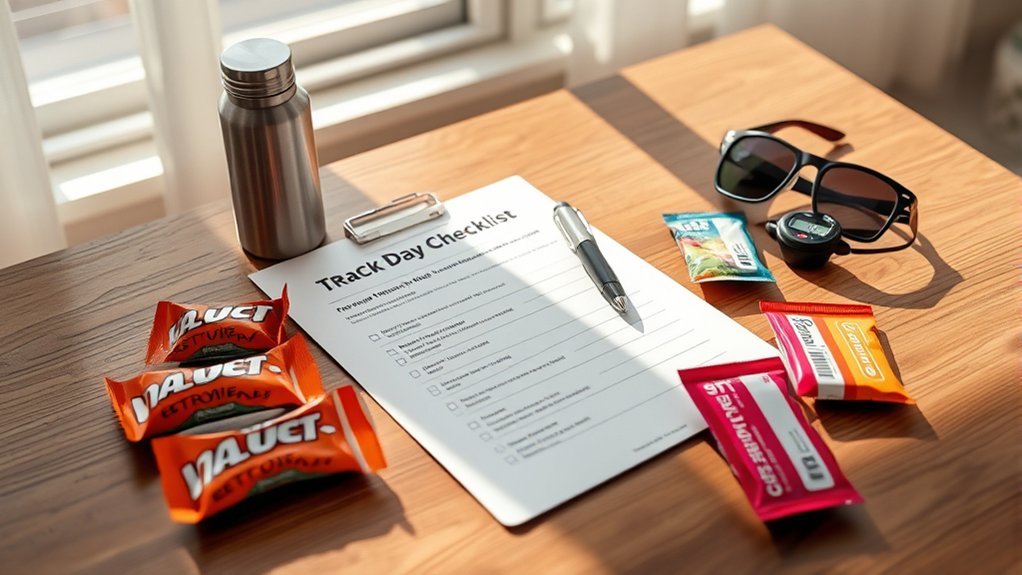
Heat, sun, safety clothing, noise, and concentration can wear down a driver even when the time behind the wheel is short. Drink regularly throughout the day instead of waiting until you are very thirsty.
The CDC/NIOSH heat guidance suggests about 8 ounces of water every 15–20 minutes during moderate activity in heat, balanced electrolyte drinks when sweating lasts for several hours, and generally no more than six cups of fluid per hour. That is a heat-safety reference rather than a personalized medical prescription, so adjust for weather, activity, health conditions, medications, and advice from your clinician.
- Bring enough cool water for the entire event plus a reserve.
- Use a balanced electrolyte drink during prolonged heavy sweating.
- Eat light, familiar meals with carbohydrates, protein, and some salt rather than one heavy meal.
- Pack fruit, sandwiches, yogurt, nuts, crackers, or protein bars that tolerate the expected temperature.
- Limit alcohol and drinks that are very high in caffeine or sugar.
- Use shade, sunscreen, breathable clothing, and regular rest periods.
Stop driving and cool down if you develop dizziness, confusion, faintness, unusual weakness, nausea, a severe headache, loss of coordination, or painful cramps. Seek medical help for severe symptoms, worsening symptoms, confusion, fainting, or suspected heat stroke.
What to Do After Your Track Day: A Maintenance Checklist
Do not assume the car is ready for the highway because it completed the final session. Let hot components cool, then perform a careful inspection before packing the tools.
- Brakes: Check pedal feel, remaining pad material, rotor condition, fluid level, leaks, and new vibration or noise.
- Tires: Inspect all surfaces for damage and restore suitable road pressures after the tires cool.
- Wheels: Inspect studs, nuts, wheels, and balance weights; torque fasteners using the correct cold or cooled procedure.
- Fluids: Check for leaks and verify levels using the manufacturer’s procedure.
- Engine and cooling: Look for loose caps, damaged hoses, belt debris, oil residue, or signs of overheating.
- Suspension and steering: Investigate new play, pulling, clunks, vibration, or changes in alignment.
- Interior: Reinstall secured floor mats and road equipment only after the track inspection is complete.
A brake-fluid flush or oil change is not automatically required after every event. Service is appropriate when the fluid was overheated or contaminated, the pedal changed, the oil exceeded its intended use, warning data indicate a problem, or the applicable manufacturer schedule calls for replacement. Record the event mileage, tire pressures, pad wear, fluid service, and any faults so the next inspection begins with accurate information.
Clean the car after the mechanical inspection. Remove rubber debris, brake dust, and track grime without spraying cold water onto extremely hot brakes. Schedule repairs before the next event rather than leaving a developing problem for the morning of the track day.
Common Track Day Preparation Mistakes
- Buying a helmet before reading the venue’s current certification rules
- Arriving with old brake fluid, thin pads, or an unfamiliar soft pedal
- Copying another car’s tire pressure without keeping a pressure log
- Leaving floor mats, bottles, tools, or cargo unsecured
- Using a jack without rated stands or safe lifting points
- Skipping the driver meeting or misunderstanding a flag
- Chasing lap times before learning the line and passing rules
- Ignoring heat, fatigue, thirst, or loss of concentration
- Continuing after a warning light, leak, vibration, or unusual noise appears
- Driving home without restoring road pressures and inspecting the car
Frequently Asked Questions
How do I choose the right tire pressure for track conditions?
Start with documented guidance from the vehicle and tire manufacturers. For street tires without a published track setting, the door-placard cold pressure is a safer starting reference than the tire sidewall maximum. Measure each tire cold and immediately after sessions, record the results, inspect the tread, and make small changes based on heat, wear, and handling. Restore appropriate road pressures before driving home.
Can I use my daily driver for track days?
Yes, many HPDE events are designed for street cars. The vehicle must be eligible for that venue, pass its inspection, have suitable tires and brakes, and remain free of leaks or loose objects. Review warranty and insurance terms, avoid modifications you do not understand, and arrange a way home in case the car cannot be driven after the event.
What are the best practices for improving lap times?
Begin with instruction, consistent braking points, good vision, smooth steering, and repeatable lines. Review one change at a time instead of trying to brake later in every corner. A clean, consistent lap with proper traffic awareness is safer and usually faster than an aggressive lap filled with corrections.
How do I handle mechanical issues during a track day?
Reduce speed predictably, stay aware of traffic, signal when possible, follow the flags, and return to the pits if the car can do so safely. Stop in the safest instructed location when continuing risks fire, loss of control, or a fluid spill. Do not troubleshoot beside an active track. Have the car inspected in the paddock and skip the session until the cause is known.
Are there age restrictions for participating in track days?
Yes, but the limit varies. Some events require drivers to be at least 18. Others permit licensed minors with advance organizer approval, parental waivers, membership documents, and additional venue forms. Check the exact event rules before registering because spectator, passenger, and driver requirements may differ.
Do I need special track day insurance?
Coverage depends on your policy and event. Do not assume a normal road policy covers closed-course driving. Read the exclusions and ask the insurer for a written answer. Separate HPDE physical-damage coverage may be available, but deductibles, valuation, covered sessions, and exclusions must be reviewed before purchase.
What should I do if the brake pedal changes during a session?
Treat a longer, softer, sinking, vibrating, or inconsistent pedal as a serious warning. Slow down smoothly, avoid abrupt inputs, follow the event procedure, and return to the pits. Do not begin another session until the pads, rotors, fluid, hoses, calipers, and possible overheating have been inspected.
Sources
- Sports Car Club of America — How Do I Get on Track? — basic driver, vehicle, helmet, and registration expectations
- SCCA Time Trials — Full Safety Rules — common inspection points for brakes, battery mounting, restraints, and loose items
- Track Night in America — Rules and Regulations — helmet and venue-specific rule guidance
- Snell Memorial Foundation — Current Helmet Standards — current automotive motorsports helmet certifications
- National Highway Traffic Safety Administration — TireWise — tire inspection and cold-pressure guidance
- CDC/NIOSH — Heat-Stress Recommendations — hydration, electrolytes, caffeine, and heat-rest guidance
Conclusion
A safe track day depends on preparation, observation, and the willingness to stop when something does not feel right. Inspect the car well before the event, follow the organizer’s current rules, build speed gradually, and check the brakes, tires, fluids, and driver between sessions. Treat the car like a well-tuned orchestra: every component must do its part, but the driver remains responsible for recognizing when the performance should end.







Leave a Reply