
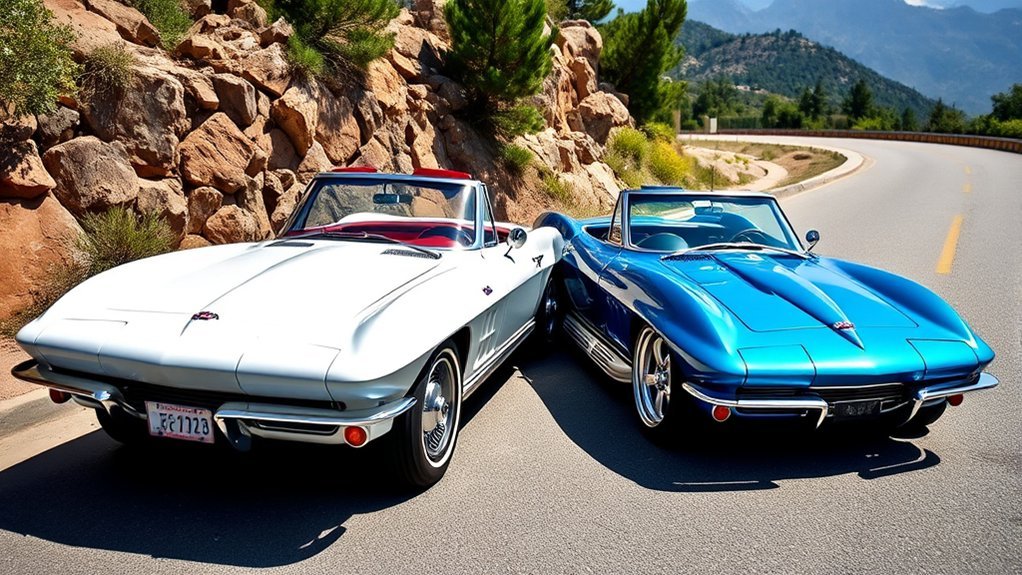
Choosing between a full restoration and a restomod is not simply a choice between originality and speed. The right path depends on the car’s rarity, condition, documentation, intended use, local laws, and the quality of work you can afford. A historically important survivor may deserve preservation, while a common driver may benefit from carefully engineered upgrades.
Quick Answer
Choose a full restoration when originality, factory-correct details, and collector authenticity matter most. Choose a restomod when you want classic styling with improved braking, steering, cooling, comfort, and serviceability. Neither approach guarantees a profit; value depends on the specific model, workmanship, documentation, originality, and buyer demand.
Key Takeaways
- A restoration aims to return a vehicle to an original or period-correct condition; a restomod combines classic appearance with modern components.
- Rare, highly original, documented, or numbers-matching cars usually require more caution before irreversible modification.
- Restomod upgrades can improve drivability, but only when the brakes, tires, steering, suspension, chassis, fuel system, cooling, and electrical system are engineered as a complete package.
- Project cost rarely equals market value. Obtain model-specific valuations and detailed written estimates before work begins.
- Verify the VIN, title, emissions rules, inspection requirements, and insurance terms before replacing a chassis, engine, or major safety component.
At a Glance
| Best Fit | Restoration: originality, judged shows, historical significance, factory-correct presentation. Restomod: regular driving, comfort, stronger performance, easier highway use. |
| Typical Scope | Restoration: repair or replace with original, new-old-stock, reproduction, or period-correct parts. Restomod: rebuild the body while adding modern drivetrain, brakes, steering, suspension, wiring, climate control, or electronics. |
| Time Required | A partial project may take months; a complete body-off build can take a year or longer. Shop backlog, rust, parts availability, fabrication, and change orders matter more than the label. |
| Difficulty | High for either approach. Restoration demands research and authenticity; restomodding adds engineering, fabrication, calibration, and systems-integration work. |
| Cost | Highly vehicle-specific. Rust repair, paint, trim, machine work, fabrication, and labor can outweigh the donor car’s purchase price. Build a written budget with a contingency rather than relying on a universal range. |
What Is Full Restoration and How Does It Work?
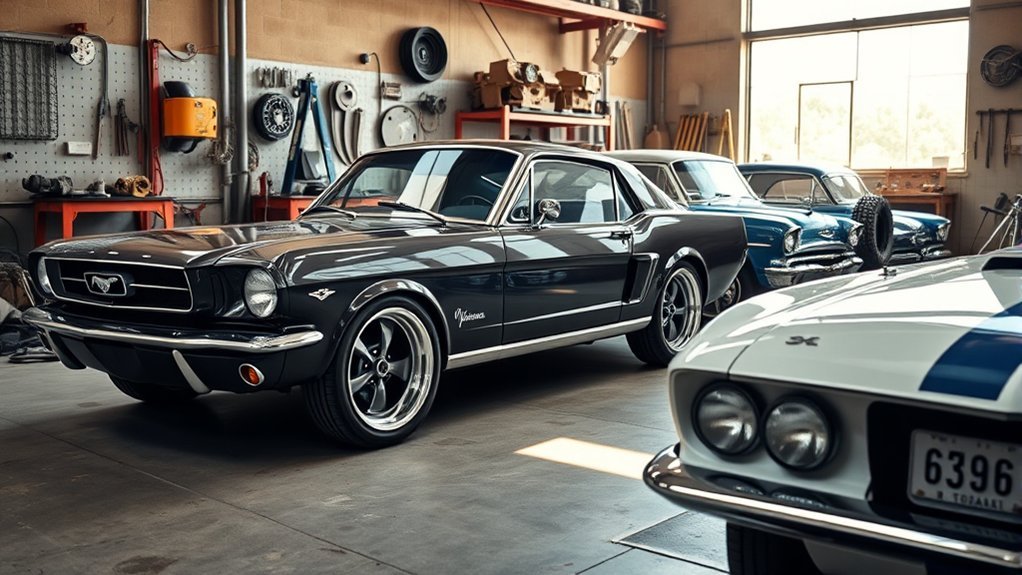
A full restoration brings a classic vehicle back toward its former, original, or period-correct condition. In a federal interpretation involving heavily rebuilt vehicles, the National Highway Traffic Safety Administration described restoration as returning something to its former, original, normal, or unimpaired condition. That regulatory interpretation is narrower than the way enthusiasts sometimes use the term.
In practice, restorations range from careful preservation to complete body-off or rotisserie projects. A factory-correct restoration may require original components, correctly dated replacement parts, approved reproduction pieces, authentic paint formulas, proper fasteners, matching upholstery patterns, and finishes that match the vehicle’s model year and assembly plant.
Common Steps in a Full Restoration
- Document the car before disassembly. Photograph body gaps, markings, wiring routes, trim locations, casting numbers, date codes, and identification plates.
- Verify identity and specification. Compare the VIN or serial number, body tag, engine stamp, transmission code, axle code, title, service records, and manufacturer literature.
- Inspect the structure. Check the frame, unibody, suspension mounting points, floors, rockers, pillars, and collision repairs before ordering cosmetic work.
- Repair the body and chassis. Remove corrosion correctly, replace weakened metal, restore alignment, and confirm dimensions before paint.
- Rebuild mechanical and electrical systems. Address the engine, transmission, differential, steering, suspension, brakes, fuel system, cooling system, charging system, and wiring.
- Restore trim and finishes. Refinish or replace glass, weatherstripping, brightwork, instruments, seats, carpet, headliner, paint, decals, and underhood details.
- Test and document the completed vehicle. Perform alignment, brake, leak, temperature, charging, lighting, and road tests, then save invoices, photographs, specifications, and part numbers.
Warning: Structural rust, brake work, steering repairs, fuel-system changes, high-current wiring, refrigerant service, and engine or transmission installation can create serious fire, crash, or exposure hazards. Use qualified specialists and follow the component manufacturer’s instructions, torque specifications, fluid requirements, and local laws.
The best project is not the one with the longest parts list. It is the one that respects the car’s significance and matches how the owner will actually use it.
Benefits of Restoring Your Classic Car
Restoration can preserve an important vehicle, recover lost details, and produce a more authentic driving and ownership experience. Its strongest advantages appear when the car has a desirable specification, sound documentation, rare original parts, or historical importance.
Historical Accuracy Preservation
Returning a vehicle to its correct model-year configuration can preserve its design, materials, mechanical layout, and manufacturing history. Research may include factory manuals, parts books, build sheets, dealer literature, period photographs, marque-club records, and manufacturer archives.
Historical accuracy does not always require making every surface look new. A well-preserved original interior, paint finish, identification plate, or factory marking may tell more of the car’s story than a replacement. Before refinishing an unusually complete survivor, consult a model specialist who understands preservation as well as restoration.
Increased Resale Value
A high-quality restoration can increase a car’s market appeal, but there is no dependable rule that it will add a fixed percentage or repay the full project cost. Collector-car value varies with rarity, specification, condition, provenance, documentation, originality, color, workmanship, modifications, and current demand.
The Hagerty Price Guide methodology notes that condition, rarity, documentation, mileage, configuration, modifications, demand, and market trends can all affect value. Compare recent sales of the same model and specification, then obtain an independent appraisal before assuming a restoration is an investment.
Note: Restoration cost and market value are different numbers. A project can be personally worthwhile even when the completed car is worth less than the labor and parts invested.
Unique Character Retention
A sensitive restoration can retain the details that make a classic distinctive: its seating position, controls, engine note, steering feel, trim, materials, and period appearance. Preserving serviceable original parts and recording every replacement also gives future owners a clearer history.
Minimal intervention is often the right choice for an intact survivor. Repair what is unsafe or deteriorating, stabilize corrosion, preserve original finishes when possible, and avoid replacing rare components merely because reproductions look newer.
Drawbacks of Full Restoration You Should Consider
Full restoration can demand extensive labor, specialized knowledge, scarce parts, and repeated quality checks. Poor planning can turn a promising car into a stalled collection of parts.
High Costs Involved
Body and paint labor, rust repair, chrome, upholstery, engine machining, drivetrain work, wiring, glass, weatherstripping, and missing trim can make a complete restoration expensive. The most damaging budget surprises are usually hidden corrosion, previous collision work, incomplete disassembly by an earlier owner, and unavailable model-specific pieces.
Ask for a written scope, labor rate, parts policy, payment schedule, photo updates, change-order procedure, storage terms, warranty terms, and estimated completion range. Include a contingency for discoveries that cannot be seen before disassembly.
Time-Consuming Process
A complete restoration can take many months or longer because tasks must occur in sequence. Metal work affects body fit; body fit affects paint; paint affects assembly; assembly exposes missing or incorrect parts. Vendor delays and shop backlog can matter as much as hands-on labor.
Break the project into inspection, structure, body, paint, mechanical, electrical, trim, assembly, and testing milestones. Pay against documented progress rather than an informal promise of a fixed completion date.
Limited Daily Usability
A factory-correct classic may retain manual steering, drum brakes, limited ventilation, dim lighting, old-style seating, narrow tires, modest cooling capacity, and little crash protection compared with a modern vehicle. Correct restoration does not make an older design equivalent to a new car.
Usability can still be improved with discreet, reversible changes such as better tires in the correct size, a rebuilt cooling system, relays that reduce electrical load, improved grounds, a dual-circuit brake conversion where properly engineered, or hidden audio and charging equipment. Keep every removed original part and document the changes.
How Does a Restomod Differ From Restoration?
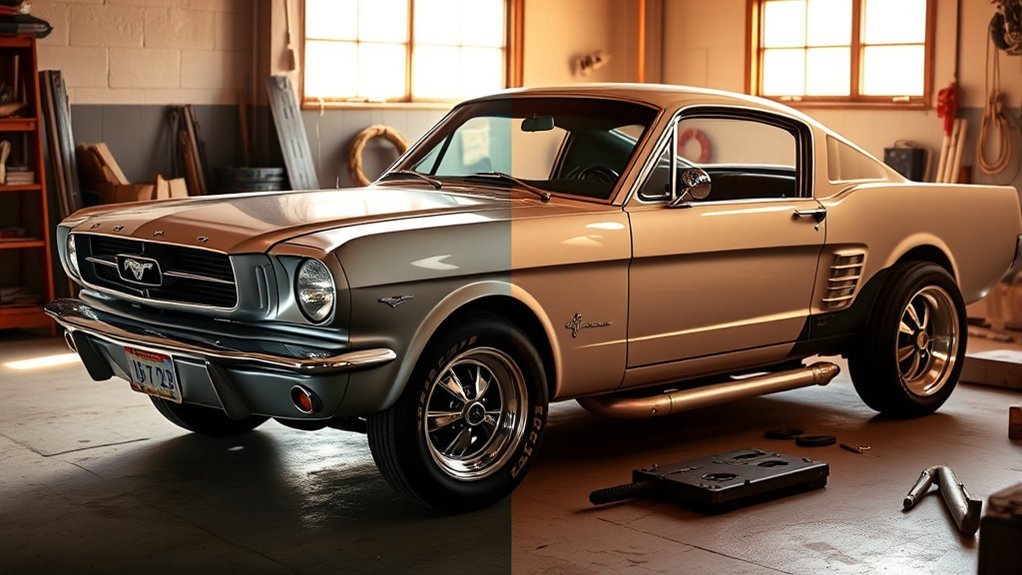
A restomod is a restored or refurbished classic vehicle that also receives modern modifications. The term covers a wide range of builds, from a mostly stock car with power disc brakes and air conditioning to a complete custom chassis with a modern engine, transmission, suspension, electronics, and interior.
SEMA industry participants have described the restomod as a middle ground between traditional restoration and customization, although the line becomes blurred as modifications grow more extensive. Modern upgrades commonly include electronic fuel injection, overdrive transmissions, power steering, improved cooling, upgraded brakes, revised suspension geometry, modern wiring, climate control, sound insulation, and current audio or navigation equipment.
The defining difference is intent. Restoration prioritizes historical correctness. Restomodding prioritizes the owner’s preferred combination of classic appearance, performance, comfort, and reliability.
Advantages of Choosing a Restomod for Your Classic Vehicle
A well-engineered restomod can make a classic easier to start, stop, steer, cool, service, and drive at modern road speeds. The strongest benefits come from coordinated systems rather than isolated bolt-on parts.
- Improved drivability: Fuel injection, overdrive gearing, better cooling, and a properly matched ignition system can improve starting, cruising, and hot-weather behavior.
- More predictable braking and handling: Suitable brakes, tires, dampers, springs, steering components, and alignment can improve control when selected for the vehicle’s weight and intended use.
- Better comfort: Air conditioning, improved seats, sound insulation, power accessories, and discreet electronics can make longer trips more enjoyable.
- Serviceability: Widely available engines, transmissions, bearings, sensors, and brake parts may be easier to replace than rare original pieces.
- Personalization: Owners can choose colors, materials, ride height, wheel size, drivetrain character, and technology that fit their needs.
Pro Tip: Plan the whole vehicle before buying parts. Engine output affects cooling, fuel delivery, transmission strength, driveshaft speed, axle ratio, brakes, tires, chassis rigidity, and differential capacity. A matched package is safer and usually cheaper than correcting incompatible upgrades later.
Downsides of Restomods: What to Know
Restomods trade factory originality for function and personal preference. That can be the right decision, but it creates risks that a stock restoration does not.
- Value is build-specific. A recognized builder, coherent specification, detailed records, and high-quality execution may attract buyers. Unusual styling or undocumented parts can narrow the market.
- Irreversible changes can reduce collector appeal. Cutting an original body, replacing a rare engine, changing identification structures, or discarding factory parts may be difficult or impossible to undo.
- Systems can conflict. Poorly matched steering geometry, wheel offset, brake balance, spring rates, engine management, wiring, or cooling components can make the car unpleasant or unsafe.
- Diagnosis may become harder. A custom car can combine parts from several model years and manufacturers. Without a build book, future technicians may not know which replacement parts fit.
- Legal and insurance questions can arise. Engine swaps, emissions equipment, lighting, seat belts, chassis replacement, vehicle identity, and declared value may be regulated or treated differently by state and insurer.
Restomods do not automatically depreciate faster than restorations, and they do not automatically sell for more. The result depends on the donor car, the quality and taste of the build, documentation, and the buyers available when the vehicle is sold.
Verify the Car Before Choosing a Build
Do not choose a project direction until you know exactly what the car is. A common model with a replacement drivetrain may be an excellent restomod candidate. A rare factory combination with original components and strong provenance may be worth preserving.
- Compare the title number with the identifier stamped or attached to the vehicle.
- Record body-tag, engine, transmission, axle, casting, and date codes before cleaning or refinishing them.
- Check whether the engine and transmission are original, period-correct replacements, or later swaps.
- Look for factory build sheets, invoices, registrations, service records, restoration photographs, judging sheets, and ownership history.
- Inspect for rebodying, VIN-tag disturbance, major chassis replacement, hidden collision damage, and extensive rust repair.
For 1981-and-newer vehicles, the NHTSA VIN Decoder can decode manufacturer-reported VIN information. Pre-1981 serial-number formats were not standardized in the same way, so use factory literature, marque experts, and the relevant state motor-vehicle agency.
Legal, Emissions, Safety, and Insurance Checks
Major modifications should be reviewed before parts are ordered, not after the car is finished.
Emissions and Engine Swaps
Federal law prohibits tampering with emissions controls on vehicles and engines that were originally certified with those systems. The U.S. Environmental Protection Agency explains that removing or rendering required emissions equipment inoperative can violate the Clean Air Act. State engine-swap, inspection, registration, and emissions rules may be stricter or may apply differently by model year.
Before an engine, fuel system, catalytic converter, evaporative-emissions system, or engine controller is changed, confirm the rules with the state agency that will register and inspect the vehicle.
Safety Systems and Vehicle Modifications
Modern parts can improve a specific function, but a modified classic should not be advertised as meeting current new-vehicle safety standards unless that claim is actually supported. NHTSA explains that manufacturers, distributors, dealers, and repair businesses may not knowingly make inoperative equipment installed to comply with an applicable federal safety standard.
The agency also notes that braking, tires, suspension, steering, drivetrain, and vehicle weight interact. Have a qualified builder evaluate the complete package, including wheel clearance, brake bias, pedal ratio, tire load rating, steering travel, bump steer, driveshaft angles, fuel routing, seat mounting, belt anchorage, and electrical protection.
Title, Chassis, and Vehicle Identity
Replacing a chassis or combining extensive new and used components can create title and classification issues. In one NHTSA interpretation, modifications that went far beyond returning old vehicles to original condition were treated as manufacturing rather than simple restoration. State title rules still control registration, so obtain written guidance before replacing a frame, body shell, or identification structure.
Insurance and Appraisal
Tell the insurer about engine, chassis, suspension, brake, body, wheel, and usage changes. Ask whether the policy uses agreed value, stated value, or actual cash value; whether mileage or storage restrictions apply; and whether the vehicle may be used for commuting, track events, or long trips.
Keep dated photographs, receipts, labor invoices, paint codes, wiring diagrams, alignment settings, calibration files, part numbers, serial numbers, and a complete build specification. These records help with repairs, appraisal, claims, and resale.
Note: This article provides general project-planning information, not legal, engineering, insurance, appraisal, or financial advice. Requirements and values vary by vehicle and jurisdiction.
Key Considerations for Choosing Between Restoration and Restomod
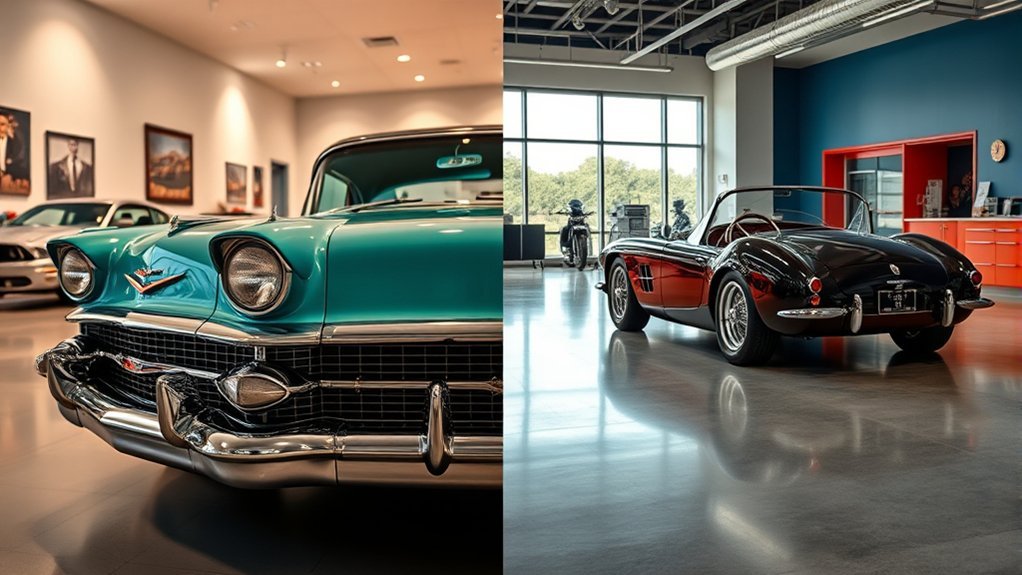
Answer these questions before committing to a build:
- How rare and original is the vehicle? The rarer and more complete the car, the stronger the case for preservation or reversible changes.
- How will you use it? Judged shows, occasional tours, commuting, long-distance travel, autocross, and display use require different choices.
- Which driving experience do you want? Decide whether period steering, braking, engine behavior, noise, and controls are part of the appeal or obstacles to enjoyment.
- What is your maintenance tolerance? Original systems may need specialist knowledge; custom systems may require a detailed build book and diagnostic access.
- Can the work be reversed? Bolt-on changes and retained original parts protect options better than cutting rare sheet metal or discarding matching components.
- Who will do the work? Review completed vehicles, references, insurance, shop organization, fabrication quality, wiring practices, documentation, and warranty terms.
- What is the complete budget? Include the donor vehicle, inspection, transport, tax, parts, labor, storage, tuning, alignment, troubleshooting, registration, appraisal, and contingency.
- What does the market support? Compare completed sales for the same model and specification rather than relying on broad claims about restorations or restomods.
How to Protect Quality and Resale Value
- Start with a written build brief. Define appearance, performance, usage, originality targets, wheel and tire sizes, ride height, drivetrain, interior, and legal requirements.
- Use recognized components with replacement support. Record manufacturers, part numbers, serial numbers, software versions, and service intervals.
- Preserve original parts. Label, photograph, protect, and store removed components, especially matching drivetrain parts, trim, wheels, instruments, and identification items.
- Avoid trend-driven choices on rare cars. Extreme wheel sizes, nonreversible body cuts, and highly personalized interiors can age quickly.
- Test before final finishing. Confirm cooling, braking, steering, suspension travel, electrical load, leaks, driveline vibration, and calibration before final paint or upholstery is exposed to rework.
- Create a build book. Include diagrams, receipts, specifications, paint formulas, alignment data, fluid types, torque values, and maintenance instructions.
Making the Best Decision for Your Classic Car in 2026
In 2026, interest in both authentic restoration and modernized classics remains broad. SEMA’s 2024 market research reported continuing enthusiast interest in restoration and upgrades, with younger owners generally more open to modern comfort and performance parts. That trend does not settle the decision for a specific vehicle.
Choose a full restoration when the car is rare, historically important, unusually original, well documented, intended for authenticity-focused judging, or most enjoyable in factory form.
Choose a restomod when regular use, highway comfort, braking, cooling, steering, serviceability, and personal specification matter more than factory correctness—and when the donor car is not being stripped of exceptional historical value.
Choose preservation with selective reversible upgrades when the car has valuable original finishes but needs better reliability or safety for limited road use. This middle path is often overlooked and may protect more history than a ground-up restoration.
Whichever route you select, judge success by workmanship, documentation, legal compliance, and how well the finished vehicle fulfills its intended purpose—not by a promised profit or a generic project label.
Frequently Asked Questions
Are restomods a good investment?
Some restomods sell well, especially when the donor model is desirable and the build is cohesive, documented, and professionally executed. Others sell for less than their build cost. Treat a restomod primarily as a vehicle to own and enjoy, then use model-specific sales data and an independent appraisal for investment decisions.
Will 2026 be a better time to buy a car?
There is no single answer for all classic cars in 2026. Prices vary by model, condition, specification, region, and seller motivation. Inspect the exact vehicle, review recent completed sales, verify the title and identity, and budget for deferred maintenance instead of trying to time the entire market.
Do restomods hold value?
They can, but value depends heavily on the base vehicle, builder reputation, component quality, styling, documentation, and buyer demand. Reversible upgrades and retained original parts can reduce risk. A highly personalized or poorly documented build may be harder to sell.
Has anyone actually won a car from RestoMods?
This question refers to the RestoMods company, not the general restomod vehicle category. The company publishes a previous-winners page and official sweepstakes rules. Anyone considering a promotion should read the current rules, eligibility terms, entry methods, taxes, and prize-claim requirements directly on the sponsor’s official site.
Which is cheaper: restoration or restomod?
Neither is consistently cheaper. A factory-correct restoration becomes costly when rare parts, metal work, chrome, and authentic finishes are required. A restomod becomes costly when it needs a chassis, fabrication, drivetrain, electronics, brakes, cooling, tuning, and custom interior work. The vehicle’s condition and scope determine the budget.
Should you restomod a rare numbers-matching classic?
Proceed cautiously. Verify that the engine, transmission, body, and documentation are genuinely original before changing anything. Preservation, restoration, or reversible upgrades may protect historical and collector value better than permanent modification. Store every removed original component.
Is an engine swap in a classic car legal?
It depends on federal emissions requirements, state law, model year, registration class, inspection rules, and the engine and emissions equipment used. Confirm requirements with the state motor-vehicle and emissions agencies before buying parts. Do not remove or defeat emissions equipment that federal or state law requires.
Conclusion
A full restoration and a restomod can both produce an exceptional classic car, but they solve different problems. Restoration is the stronger choice when authenticity, provenance, and factory character lead the decision. Restomodding is better suited to owners who prioritize regular use, comfort, performance, and modern serviceability. Verify the car first, plan the entire system, protect original parts, follow legal requirements, and document every step. That approach matters more than choosing the label that sounds most valuable.
Sources
- NHTSA: Twisted Restorations interpretation — restoration, extensive rebuilding, chassis replacement, and vehicle-manufacturer classification.
- NHTSA VIN Decoder — manufacturer-reported VIN information for standardized VINs.
- U.S. EPA transportation air-pollution questions — federal emissions-tampering requirements.
- NHTSA vehicle-modifier interpretation — safety standards, post-sale modification, weight, braking, tires, suspension, and steering considerations.
- SEMA Future Trends summary — classic-vehicle restoration, modification, and owner-interest trends.
- Hagerty Price Guide methodology — condition, rarity, documentation, configuration, modifications, demand, and market factors that affect collector-car value.







Leave a Reply