
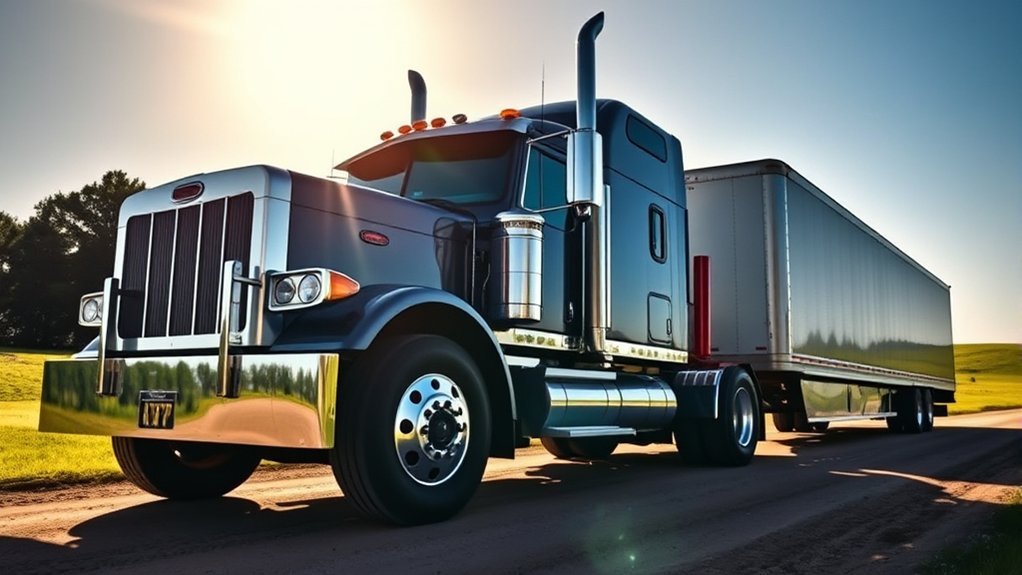
Towing takes a real toll on your vehicle’s fuel economy, often dropping mileage by 5 to 10 mpg or more. Every extra 100 pounds can cut efficiency by roughly 1 to 2%. To get the best towing mpg, manage weight carefully, streamline your cargo, and hold a steady speed. Proper vehicle maintenance, including tire pressure and engine checks, goes a long way. Aerodynamics and choosing the right tow vehicle also make a big difference. Here’s everything you need to know.
Quick Answer
- Towing typically cuts fuel economy by 5 to 10 mpg, depending on load and speed.
- Each additional 100 pounds reduces efficiency by about 1 to 2%.
- Wind resistance at highway speeds can eat up over 50% of your engine’s power.
- Keeping speeds between 55 and 65 mph, maintaining tire pressure, and distributing weight evenly are the easiest ways to improve towing mpg.
- Diesel engines generally deliver 12 to 15% more power per gallon than gasoline, making them a strong choice for heavy towing.
How Does Towing Affect Fuel Economy?

Towing a load directly impacts your vehicle’s fuel economy. Heavier items force the engine to work harder, which leads to a noticeable drop in mileage. For every additional 100 pounds you tow, expect around a 1 to 2% decrease in fuel efficiency. That can add up to a 5 to 10 mpg reduction, especially with heavy trailers or long-distance hauls.
Wind resistance also plays a major role. At highway speeds, more than 50% of your engine’s power goes toward overcoming drag. The bigger and less aerodynamic your trailer, the worse this gets.
Learning effective towing techniques helps fight these losses. Some drivers also use fuel additives designed to improve engine performance under heavy loads, which may offset a small portion of the fuel economy loss.
How Much Weight Affects Your Towing MPG
The weight you’re pulling has a direct impact on fuel economy. Every additional 100 pounds decreases efficiency by about 1 to 2%, meaning heavier loads demand more energy from your engine.
If you’re towing close to your vehicle’s weight limits, the drop in mileage becomes much more obvious, often between 5 to 10 mpg with heavy loads. Car manufacturers typically rate fuel economy based on a standard cargo weight of about 300 lbs, so anything beyond that will push your actual mpg below the sticker number.
Heavy trailers make this worse at highway speeds, where drag alone can consume over 50% of engine power. To protect your fuel economy without giving up towing capacity, stay within recommended weight limits and think carefully about what you load. Managing weight well lets you tow freely while keeping fuel costs in check.
How Aerodynamics Affects Your Towing MPG
Aerodynamics can make or break your fuel efficiency while towing. Wind resistance from a trailer can use up more than half of your engine’s power, so both trailer design and load arrangement matter.
Impact of Wind Resistance
Once you hit the highway with a trailer in tow, wind resistance quickly becomes a major factor in fuel economy. The shape of your trailer plays a big role here. Streamlined designs cut drag and noticeably improve towing mpg.
In wind tunnel testing, bulky trailers and any added surface area increase drag, consuming over 50% of engine power at highway speeds. Even a roof rack can reduce fuel efficiency by about 5%. To improve aerodynamics, make sure weight is distributed properly and the hitch stays level.
Trailer Design Considerations
Trailer design has a big impact on towing mpg, and aerodynamics leads the way. A trailer with streamlined shapes cuts wind resistance and boosts fuel economy. If you want to get the most out of every gallon while towing, focus on drag reduction features like tapered shapes and enclosed designs. At highway speeds, overcoming drag can eat up more than half your engine power, so small design details add up fast.
| Trailer Shape | Potential MPG Improvement | Drag Reduction Feature |
|---|---|---|
| Flat Front | Minimal | None |
| Tapered Design | Moderate | Tapered edges |
| Enclosed Trailer | Considerable | Full enclosure |
| Rounded Shape | High | Smooth curves |
Streamlining Techniques for Efficiency
Improving your trailer’s aerodynamics can go a long way toward better towing mpg. Wind resistance can use up over 50% of your engine’s power at highway speeds, so aerodynamic modifications are worth the effort.
Tapered trailer designs help cut drag and improve efficiency. Even simple changes, like removing a roof rack, can boost fuel economy by around 5%. Vehicles with smooth front ends and low ground clearance naturally handle wind resistance better. Good weight distribution and keeping the trailer level are additional drag reduction strategies that improve fuel efficiency.
Top Driving Tips for Fuel-Efficient Towing

Keeping your fuel efficiency in check while towing starts with a few simple habits. Maintain a steady speed between 55 and 65 mph. This range minimizes drag and helps you get the most out of each gallon.
Use gradual acceleration and braking. Quick speed changes waste fuel and can destabilize your load. Check your tire pressure before every trip, too. Properly inflated tires improve traction and reduce rolling resistance, both of which boost fuel economy.
On flat highways, cruise control is your friend. It holds a consistent speed and cuts out unnecessary acceleration. Finally, distribute weight evenly in the trailer, keeping heavy items centered over the axles. This improves stability and reduces strain on the engine, which means better gas mileage.
How Terrain and Elevation Affect Towing MPG
Flat roads and hilly terrain produce very different fuel economy numbers while towing. Climbing steep grades forces your engine to work much harder, and the extra effort burns significantly more fuel. On downhill stretches, you may gain some back, but it rarely offsets the uphill losses.
High altitudes also reduce engine efficiency. Thinner air means less oxygen for combustion, which can lower power output and increase fuel consumption. If you’re planning a trip through mountainous areas, expect your towing mpg to drop well below what you’d see on flat ground.
Where possible, choose routes with gradual elevation changes rather than steep mountain passes. Even a slightly longer route can save fuel if it avoids major hills.
Picking the Best Vehicle for Towing Efficiency
Choosing a vehicle for towing efficiency starts with engine power and fuel efficiency ratings. Larger engines often handle heavy loads without as steep a drop in mpg. Make sure the vehicle’s weight ratings match your trailer and cargo for safe performance. Features like tow/haul mode can also make towing smoother and more efficient.
Engine Power Considerations
Larger engines tend to maintain better gas mileage while towing because they produce more torque, which reduces strain on the vehicle. Diesel engines stand out here, delivering 12 to 15% more power per gallon than gasoline engines. That makes them a strong choice for heavy loads.
Transmission type matters as well. Automatic transmissions often provide smoother power delivery, which improves performance during towing. Regular maintenance, like replacing air filters on schedule, keeps your engine running efficiently and helps preserve fuel economy.
Weight Rating Matching
Finding the right vehicle for towing efficiency depends on understanding weight ratings. First, confirm the Gross Vehicle Weight Rating (GVWR) of your vehicle exceeds the combined trailer weight and cargo. This affects both safety and performance.
Match the vehicle’s towing capacity with the Gross Trailer Weight (GTW) to avoid overloading, which can hurt handling and increase fuel consumption. Don’t overlook Payload Capacity either. It should account for passengers and cargo too.
Larger engines generally maintain better fuel efficiency under heavy towing loads. A weight distribution hitch can also help by spreading trailer weight evenly across the vehicle’s axles, improving both stability and performance.
Fuel Efficiency Ratings
Selecting a vehicle with strong towing capacities that match your needs is key to maximizing fuel efficiency while towing.
Look for models designed to handle heavier loads while still delivering solid fuel economy. Diesel engines, for example, offer 12 to 15% more power per gallon than gasoline engines.
Among half-ton trucks, the 2020 Ram 1500 EcoDiesel (Quad Cab 2WD, 3.0L V6 Diesel) averaged about 12.4 mpg while towing in real-world testing. The 2017 GMC Canyon (Crew Cab 4×4, 2.8L I4 Diesel) recorded roughly 12.7 mpg towing, showing strong midsize efficiency.
Heavy-duty options like the 2020 Chevy Silverado 2500 (Crew Cab 4×4 Diesel) averaged around 9.7 mpg while towing, highlighting how much more fuel bigger trucks consume under load. Advanced towing technology and checking Gross Trailer Weight before heading out help maximize both safety and performance.
Smart Load Management for Better Towing MPG
Smart load management plays a big role in maximizing your towing mpg.
Start with cargo organization. Packing only what you need reduces strain on the engine and improves fuel efficiency. Distribute weight evenly inside the trailer for better stability, which leads to improved gas mileage and less drag.
Center heavier items over the axles to maintain balance and reduce the overall towing load. This kind of thoughtful weight distribution is one of the best ways to improve fuel economy.
Secure all cargo to prevent shifting during travel, which keeps the load balanced and efficient. And always stay aware of your towing capacity limits. Overloading hurts both fuel efficiency and safety.
Key Maintenance Tips for Towing Vehicles
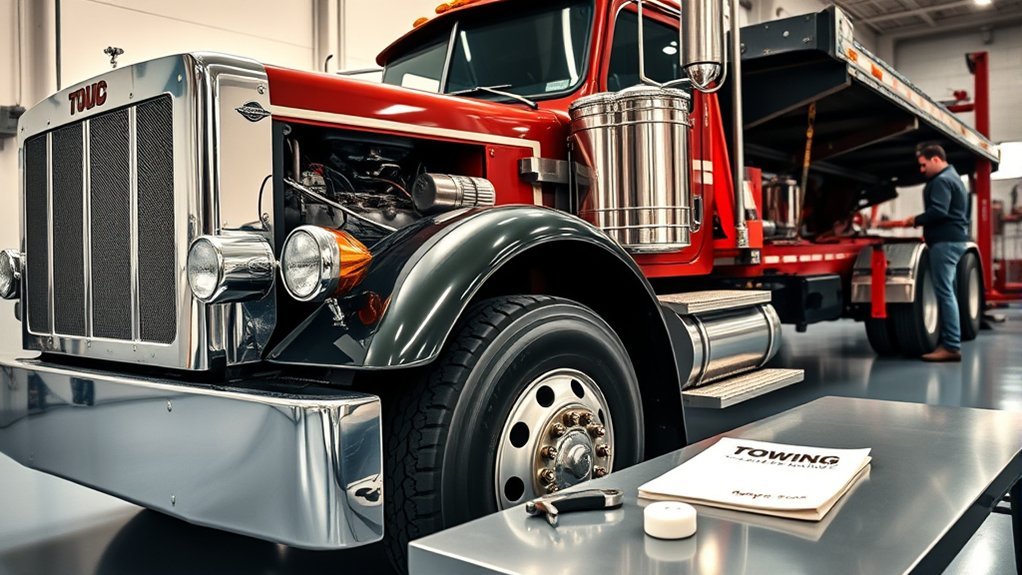
Keeping your towing vehicle well maintained is one of the simplest ways to protect fuel economy and avoid breakdowns under heavy loads.
Regular Engine Checkups
Regular engine checkups help your towing vehicle perform at its best, especially under the added strain of heavy loads. Focus on these key areas:
- Engine diagnostics to catch issues before they get worse.
- Regular oil level checks and filter changes for smooth operation.
- Performance tuning adjustments to improve power delivery while towing.
Don’t skip coolant levels and transmission fluid maintenance. Both are critical for preventing overheating and ensuring smooth gear shifts. A well-maintained engine improves fuel efficiency and gives you confidence on tough towing jobs.
Tire Pressure Maintenance
Tire pressure maintenance is a key part of safe and efficient towing. Check tire pressure before every trip, including on the trailer’s tires, and make sure they’re inflated to the manufacturer’s specifications.
Under-inflated tires increase rolling resistance, which hurts both safety and fuel efficiency. Properly inflated tires enhance traction and handling, which matters even more with heavy loads.
Check tire pressure when the tires are cold, since heat from driving can throw off your readings. Exceeding load capacity can cause excessive wear and dangerous blowouts, so always follow both load and tire pressure specifications.
Do Fuel Additives Help Improve Towing MPG?
Fuel additives won’t work miracles, but certain products can offer slight performance improvements that may help fuel efficiency while towing:
- Engine Performance: Additives like prolube oil can improve engine efficiency under heavy loads, potentially leading to slightly better fuel economy.
- Quality Fuel: Using high-quality diesel improves combustion, which is key for getting the most out of towing performance.
- Airflow Improvement: High-flow air filters (like K&N) may help by allowing better airflow, which benefits overall towing efficiency.
That said, additives alone shouldn’t be your main strategy. Regular vehicle maintenance and good driving habits play a much bigger role in maximizing your towing mpg.
Route Planning for Enhanced Fuel Efficiency
After tuning up your vehicle, the next step in maximizing towing mpg is smart route planning.
Start by using GPS apps to find the most efficient paths. These tools help you avoid congested areas and minimize stops, which can drastically reduce fuel consumption. Aim for routes with fewer steep grades. Less climbing means less engine power required, which keeps your mpg higher.
Scheduling trips during off-peak hours is another smart move. Lighter traffic allows smoother, more continuous driving that conserves fuel. Weather is worth considering too. Adverse conditions increase drag and put extra strain on your engine.
By planning routes with these factors in mind, you can achieve better fuel efficiency while towing without stressing over fuel costs the entire trip.
Real-World Towing MPG Comparisons You Should Know
Real-world towing mpg figures reveal meaningful differences in truck performance. Lighter trucks often deliver better fuel efficiency, while heavy-duty models burn more fuel under load. Here are some key comparisons:
- The 2020 Ram 1500 (Quad Cab 2WD, 3.0L V6 Diesel) averaged 12.4 mpg while towing, making it one of the top performers among half-ton trucks.
- The 2017 GMC Canyon (Crew Cab 4×4, 2.8L I4 Diesel) recorded about 12.7 mpg, showing strong midsize efficiency.
- The 2020 Chevy Silverado 2500 (Crew Cab 4×4, Diesel) managed around 9.7 mpg, underscoring how heavy-duty trucks trade fuel economy for pulling power.
These figures come from specific test scenarios and may vary based on trailer weight, terrain, speed, and driving habits. Still, knowing these numbers helps you make more informed decisions about vehicle choice for towing.
Frequently Asked Questions
What Is the Ideal Tire Pressure for Towing Vehicles?
Maintain tire pressure according to your vehicle’s specifications, especially when hauling heavy loads. Adjusting tire pressure based on towing weight improves stability, safety, and fuel efficiency during your journey.
How Do Driving Habits Influence Towing MPG?
Driving habits have a big influence on towing mpg. Smooth braking and gentle acceleration improve fuel efficiency. These habits save fuel and make the overall towing experience more comfortable.
Can Towing With a Full Tank Improve MPG?
Towing with a full tank can slightly improve mpg by helping with weight distribution. However, the added weight typically increases fuel consumption, so balancing your load remains the best approach for efficiency.
Does Using Cruise Control Help While Towing?
Yes, cruise control can improve towing fuel efficiency. It helps maintain a steady speed, which reduces unnecessary acceleration and braking. The result is better gas mileage and a smoother ride overall.
Are There Specific Fuel Types Recommended for Towing Efficiency?
Diesel fuel generally offers better towing efficiency than gasoline. Diesel engines deliver stronger torque and improved fuel economy, making them a popular pick for towing. Choose wisely to maximize your fuel savings.
Wrapping Up
Your towing experience comes down to balancing efficiency with power. Understanding how weight, aerodynamics, and driving habits affect mpg puts you in control. Treat your maintenance routine as the foundation that keeps everything running smoothly. With the right vehicle and a mindful approach, every mile on the highway becomes proof of smart towing. Now hit the road and make it count.







Leave a Reply