
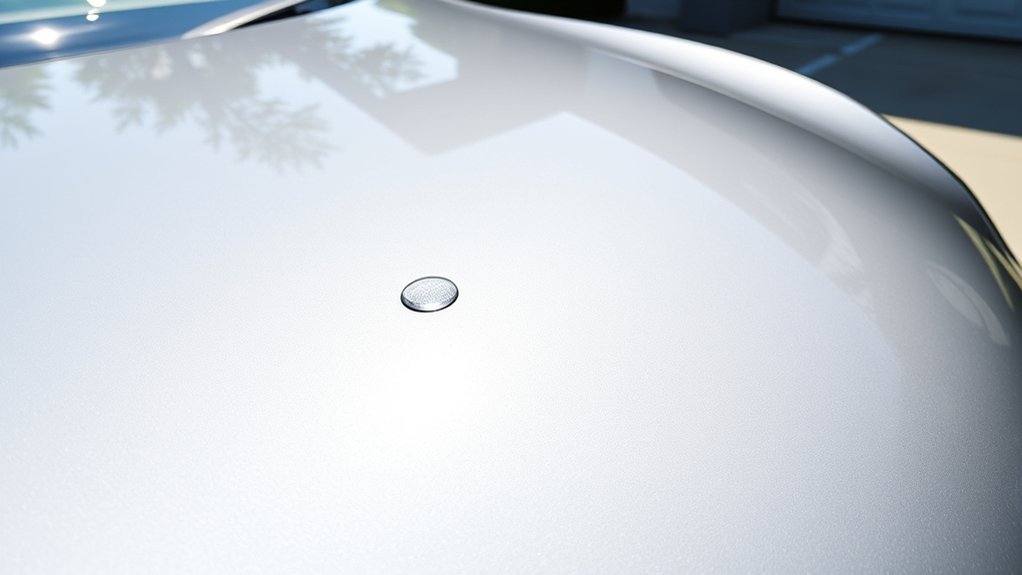
Ceramic coating can be a worthwhile upgrade when you want longer-lasting gloss, easier washing, and better resistance to environmental contamination. Its value depends on the coating product, the condition of your paint, the quality of the preparation, and how long you plan to keep the vehicle. It is important to understand that ceramic coating is not scratch-proof, rock-chip-proof, or maintenance-free.
Quick Answer
Ceramic coating is worth it if you want longer-lasting gloss, easier washing, and better resistance to UV exposure, chemicals, bird droppings, and road grime. It is not a shield against rock chips or deep scratches, and it still needs regular care. Value depends on paint condition, product durability, installer quality, and ownership plans.
Key Takeaways
- Ceramic coating adds gloss, water repellency, and resistance to many environmental contaminants.
- A 9H rating refers to pencil-test hardness, not the Mohs mineral scale or protection against every scratch.
- Paint protection film is the better choice when rock chips and road-debris impacts are your main concern.
- Durability ranges from months for some spray products to several years for properly installed professional coatings.
- Preparation, washing methods, climate, mileage, storage, and warranty maintenance all affect real-world lifespan.
What Is Ceramic Coating and How Does It Work?
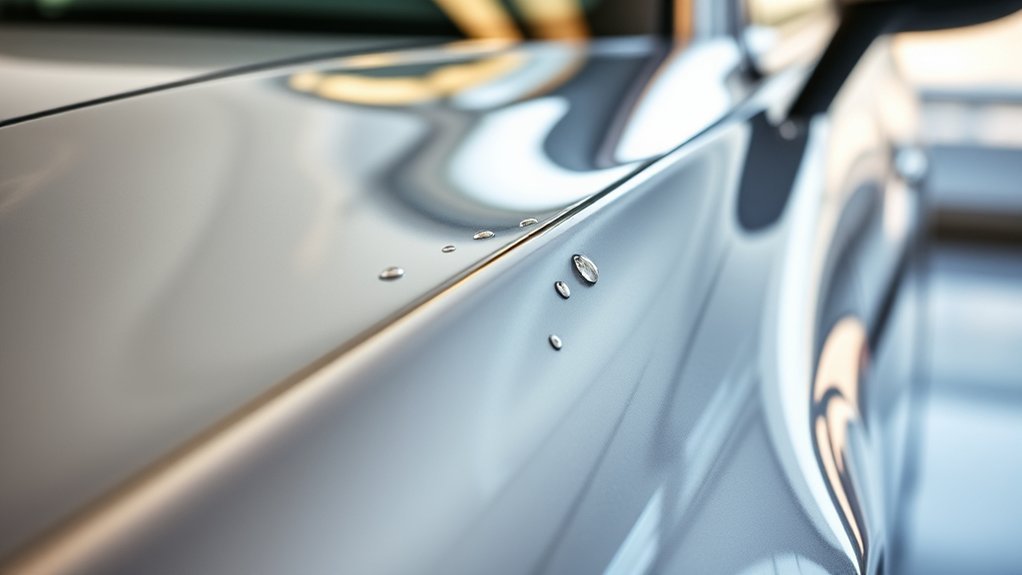
Automotive ceramic coating is a liquid surface-protection product applied over a vehicle’s clear coat. Many true ceramic coatings use silicon-based ingredients and cure into a thin, cross-linked layer that adheres to the prepared paint. Product chemistry varies, so a professional bottle coating should not be confused with every consumer spray marketed as “ceramic.”
Professional products such as Gtechniq Crystal Serum Ultra are designed to bond with automotive finishes and provide gloss, chemical resistance, and improved resistance to light wash marring. Simpler ceramic sprays behave more like durable sealants and usually do not offer the same thickness, chemical resistance, or lifespan.
A coating’s most noticeable characteristic is usually its hydrophobic surface. Water forms beads or sheets away more easily, and mud, road film, and other contamination may be easier to remove during a proper wash. The coating does not repel every contaminant, however, and mineral-rich water can still leave spots if it dries on the vehicle.
Note: Ceramic coating is applied over the existing finish. It does not repair chips, deep scratches, oxidation, failed clear coat, or poor bodywork. Defects left in the paint may remain visible under the coating.
What Does Ceramic Coating Protect Against?
A quality coating can provide a sacrificial surface over the clear coat. Depending on the product, preparation, and maintenance, it may improve resistance to:
- UV-related deterioration: The coating can help reduce exposure of the clear coat to sunlight, although no coating stops all fading indefinitely.
- Bird droppings and bug residue: Chemical resistance can reduce the chance of immediate staining or etching, but contamination should still be removed promptly.
- Road film and salt: The slicker surface can make grime easier to wash away before it remains on the paint for long periods.
- Tree sap and industrial fallout: A coating can provide extra reaction time, but it is not immune to prolonged exposure.
- Light wash marring: Some coatings improve resistance to very fine marks caused by gentle washing, but poor technique can still scratch the finish.
- Oxidation and chemical exposure: Product-specific chemical resistance can slow damage from environmental contamination.
The practical benefit is not that the car remains perfectly clean. It is that bonded dirt is often easier to remove and the clear coat has another layer between it and routine contamination.
Ceramic coating can make paint easier to clean, but it does not make the vehicle impact-proof, scratch-proof, or maintenance-free.
What Ceramic Coating Does Not Protect Against
The most important limitation is physical impact. Ceramic coatings are extremely thin compared with paint protection film. They cannot absorb the force of a stone, gravel, shopping cart, key, branch, or collision.
- Rock chips and highway debris
- Deep scratches or deliberate keying
- Dents, scrapes, and collision damage
- Failed or peeling clear coat
- Existing swirl marks and paint defects
- Permanent protection from hard-water spots
- Damage caused by aggressive brushes, dirty towels, or improper polishing
When chip protection is the priority, consider a urethane paint protection film. 3M describes its automotive PPF as protection for vulnerable areas against chips, scratches, stains, and weathering. Many owners apply PPF to the bumper, hood, mirrors, and fenders, then add a compatible ceramic coating for gloss and easier cleaning.
Warning: Do not choose ceramic coating because a salesperson says it will prevent all scratches or stone chips. Ask for the product name, written warranty, exclusions, required maintenance, and a clear description of what the coating can and cannot do.
What Does a 9H Ceramic Coating Rating Mean?
The term “9H” is widely misunderstood. In automotive-coating marketing, it normally refers to pencil hardness rather than the Mohs scale used for minerals. The ASTM D3363 film-hardness test evaluates a coating using drawing leads or pencils of known hardness.
A favorable pencil-hardness result may indicate that a cured film resists certain fine marks under the test conditions. It does not prove that the coating can withstand a rock strike, metal key, automatic-car-wash brush, or deep abrasion.
Hardness is also only one performance measure. Adhesion, flexibility, chemical resistance, water behavior, preparation, coating thickness, and curing quality all influence how the product performs on a vehicle.
Key Benefits of Ceramic Coating for Your Vehicle
Ceramic coating provides the most value when the owner understands its realistic benefits rather than expecting an invisible armor shell.
- Longer-lasting gloss: A well-prepared finish can maintain a deep, reflective appearance longer than it would with short-lived wax alone.
- Easier routine washing: Dirt and road film may release with less effort when safe wash methods are used.
- Reduced waxing: A durable coating can replace frequent traditional waxing, although compatible maintenance products may still be recommended.
- Chemical resistance: The coating can provide additional protection from bird droppings, bugs, road salt, sap, and other contamination.
- Improved water behavior: Water beads or sheets away more readily from a clean, healthy coating.
- Preserved paint condition: Reducing contamination and harsh cleaning may help the finish remain in better condition over time.
Ceramic coating does not guarantee a higher resale price. It may help preserve the vehicle’s appearance, but resale value also depends on mileage, service history, accident history, mechanical condition, market demand, and the quality of the underlying paint.
How Long Does Ceramic Coating Last?
There is no single lifespan for every product labeled ceramic. Marketing terms often group together products with very different chemistry and durability.
- Ceramic spray products: Often last several months, depending on the formula, preparation, mileage, and washing conditions.
- Consumer bottle coatings: Commonly claim approximately one to three years when applied correctly and maintained as directed.
- Professional coatings: Often carry multi-year durability claims or warranties. Certain accredited-installer products advertise guarantees extending as long as nine years.
For example, Gtechniq advertises a nine-year guarantee for qualifying professional installations of Crystal Serum Ultra. That figure should not be applied to unrelated products. The company’s product FAQ also connects durability with correct care and washing.
Always separate a manufacturer’s durability claim from a written warranty. A warranty may require registration, annual inspections, approved maintenance products, documented washing, or service by an authorized installer. It may cover product failure without covering scratches, chips, water spots, accidents, or neglect.
Factors That Affect Ceramic Coating Longevity
Real-world durability depends on more than the number printed on a package.
- Surface preparation: Oil, polishing residue, wax, iron particles, tar, or bonded contamination can interfere with adhesion.
- Paint condition: Oxidized, peeling, or failing clear coat cannot provide a sound foundation.
- Application quality: Uneven coverage, missed areas, high spots, or improper removal can affect appearance and performance.
- Curing conditions: Temperature, humidity, dust, dew, rain, and premature washing can disrupt curing.
- Vehicle storage: A garage-kept weekend car normally faces less exposure than a daily driver parked outdoors.
- Climate: Intense sun, winter road salt, industrial fallout, coastal air, and hard water can shorten useful life.
- Annual mileage: More driving generally means more road film, bugs, wash cycles, and physical wear.
- Wash technique: Abrasive brushes, dirty towels, harsh chemicals, and neglected drying can reduce performance.
- Maintenance requirements: Some warranties require inspections or approved aftercare.
Loss of dramatic water beading does not always mean the coating has completely failed. Mineral film, road grime, or detergent residue can clog the surface and reduce hydrophobic behavior. A safe decontamination wash may restore performance.
Ceramic Coating vs. Wax, Sealant, and Paint Protection Film
| Protection Type | Main Strength | Typical Limitation | Best For |
| Traditional wax | Warm gloss, low cost, easy application | Shorter durability and limited chemical resistance | Owners who enjoy frequent detailing |
| Paint sealant | Simple application and longer life than many waxes | Usually less durable than a true bottle coating | Budget-conscious daily drivers |
| Ceramic coating | Gloss, hydrophobic behavior, chemical resistance, easier washing | Does not stop significant impacts or deep scratches | Long-term appearance and easier maintenance |
| Paint protection film | Physical protection from chips, debris, and abrasion | Higher cost and professional installation requirements | High-impact panels and valuable vehicles |
Ceramic coating and PPF are not direct substitutes. PPF is thicker and intended to absorb more physical abuse. Ceramic coating focuses on surface behavior, gloss, contamination resistance, and cleaning. They can be combined when the coating is approved for the selected film.
Do You Really Need a Professional to Apply Ceramic Coating?
A careful DIY application can work well on paint that is already in good condition. Professional installation becomes more valuable when the vehicle requires polishing, the coating has a short leveling window, or the warranty requires an accredited installer.
DIY may make sense when:
- The paint is new or already polished and decontaminated.
- You have an enclosed, well-lit, ventilated workspace.
- You can keep the vehicle dry and protected during the stated curing period.
- You are comfortable identifying streaks, smears, and coating high spots.
- You are using a consumer product designed for hand application.
Professional installation may be worth the cost when:
- The paint has swirl marks, oxidation, overspray, or bonded contamination.
- You want multi-stage paint correction before coating.
- The product is restricted to trained or accredited installers.
- You want a registered multi-year warranty.
- The vehicle has complex trim, matte surfaces, PPF, vinyl, or recently repaired panels.
- You do not have a clean and controlled curing space.
A professional application improves the chance of consistent preparation and coverage, but the installer still needs to be evaluated. Certification alone does not replace workmanship, clear pricing, written warranty terms, and documented aftercare.
Ceramic Coating Application Process
The exact process depends on the manufacturer, but a professional-quality installation usually includes the following stages:
- Wash: Remove loose dirt, road film, and old surface products.
- Chemical decontamination: Treat iron particles, tar, sap, or mineral deposits with paint-safe products.
- Mechanical decontamination: Clay the paint when needed to remove remaining bonded contamination.
- Inspect and measure: Check the finish, repaired areas, and available clear coat before aggressive correction.
- Polish or correct: Remove the level of swirling and oxidation agreed upon with the owner.
- Panel preparation: Remove polishing oils and residue with the coating manufacturer’s approved preparation product.
- Apply and level: Work in controlled sections and remove excess coating within the specified window.
- Inspect: Use strong, diffused lighting to find streaks or high spots before curing progresses.
- Cure: Keep the vehicle within the required temperature, humidity, and moisture restrictions.
Warning: Ceramic coating liquids may contain solvents or other ingredients that require ventilation, chemical-resistant gloves, and eye protection. Follow the product label and safety data sheet. Keep the product away from children, flames, and unprotected skin.
Pro Tip: Good lighting is essential. Coating high spots may look like dark smears, rainbow patches, or uneven gloss. Correct them during the manufacturer’s leveling window rather than after the coating has fully hardened.
How to Maintain a Ceramic-Coated Car
Ceramic coating reduces the effort needed to maintain paint, but regular washing is still necessary. A practical schedule for a daily driver is approximately every two to four weeks, adjusted for weather, mileage, road salt, insects, and outdoor storage.
- Rinse loose grit away before touching the paint.
- Use a clean wash mitt and separate tools for wheels and lower body panels.
- Choose a coating-compatible automotive shampoo.
- Avoid household dish soap and abrasive cleaners unless the coating manufacturer specifically approves them.
- Wash in the shade on cool paint whenever possible.
- Dry the vehicle rather than allowing mineral-rich water to evaporate.
- Remove bird droppings, bugs, sap, and fuel spills promptly.
- Avoid dirty automatic brushes that can create swirl marks.
- Use approved maintenance toppers only when needed.
- Complete required inspections if the warranty calls for them.
Manufacturers offer shampoos specifically intended for coated vehicles. For example, CARPRO Reset is described as a pH-neutral-in-solution shampoo formulated to maintain coated surfaces and remove traffic film without gloss enhancers.
Do not assume that weak beading always means the coating is gone. First perform a thorough wash and inspect for mineral deposits or bonded traffic film. Use only decontamination products approved for the coating.
Evaluating the Cost and Value of Ceramic Coating
Professional ceramic-coating prices vary widely. As a general 2026 planning range in the United States, many complete professional jobs fall between approximately $800 and $2,500 or more. Large vehicles, extensive paint correction, specialty surfaces, premium warranty packages, and high-cost markets can push the total higher.
A DIY bottle coating may cost much less in materials, but the true project cost can also include wash chemicals, decontamination products, clay, polishing equipment, pads, panel preparation, lighting, towels, applicators, personal protective equipment, and indoor workspace.
The coating liquid itself is only one part of a professional quote. Labor for washing, decontamination, polishing, masking, preparation, application, inspection, and curing often accounts for much of the price.
Ask whether a quote includes:
- Exterior wash and chemical decontamination
- Clay treatment when needed
- One-step or multi-stage paint correction
- Paint-thickness inspection
- The exact coating brand and product
- Number of coating layers, where relevant
- Paint, wheels, glass, trim, and PPF coverage
- Warranty registration and required inspections
- Curing time and pickup instructions
- Written aftercare instructions
- Correction of coating high spots or installation defects
A low quote is not automatically a bargain if it skips preparation. A high quote is not automatically better if the shop cannot identify the product, preparation level, warranty conditions, and surfaces included.
Is Ceramic Coating Worth It?
Ceramic coating is more likely to be worth the expense when you:
- Plan to keep the vehicle for several years.
- Care about gloss and a consistently detailed appearance.
- Wash the vehicle by hand or use a careful touchless process.
- Want to reduce frequent waxing.
- Park outside and deal with bugs, sap, road film, salt, or strong sunlight.
- Understand that regular cleaning is still required.
- Have healthy paint worth preserving.
It may provide less value when you:
- Expect protection from stone chips or collisions.
- Regularly use abrasive tunnel washes.
- Do not plan to wash or maintain the vehicle.
- Will sell or return the vehicle soon.
- Have peeling clear coat or paint that needs repair.
- Would receive more benefit from PPF on high-impact panels.
- Prefer inexpensive wax or sealant applications and do not mind repeating them.
The best protection plan may combine products. PPF can cover the bumper, hood, fenders, and mirrors, while ceramic coating can improve gloss and cleaning across the protected and unprotected surfaces.
How to Choose a Ceramic Coating Installer
Compare installers based on preparation, workmanship, and written terms rather than the coating’s advertised hardness alone.
- Ask for the exact product name and manufacturer.
- Verify whether the installer is currently accredited for that product.
- Request photos of vehicles under inspection lighting, not only outdoor glamour shots.
- Ask how much paint correction is included.
- Confirm whether scratches that remain after polishing will be shown to you before coating.
- Read the complete warranty, including maintenance and inspection requirements.
- Ask how repaired or repainted panels are handled.
- Confirm the required dry time before rain and the waiting period before washing.
- Get every covered surface and service in writing.
- Check who is responsible for correcting high spots or premature failure.
Be cautious when a seller will not identify the coating, promises permanent protection without conditions, or says the vehicle will never need washing again.
Frequently Asked Questions
Is it worth getting a ceramic coating on a car?
It can be worth it when you want long-lasting gloss, easier washing, and better resistance to environmental contamination. It is less valuable when you expect rock-chip protection, will continue using abrasive washes, or do not plan to maintain the vehicle.
What is the main downside of ceramic coating?
The main downsides are the preparation cost, careful application, curing requirements, and the possibility of visible high spots when it is installed incorrectly. It also cannot stop deep scratches, dents, or stone chips and still requires safe regular washing.
How much does a seven-year ceramic coating cost?
There is no fixed national price. Many professional multi-year packages fall around $1,500 to $3,000, but large vehicles, extensive paint correction, premium markets, and added wheel or glass protection can raise the price. Compare the preparation, covered surfaces, product, warranty, and inspections rather than the advertised number of years alone.
Why do car manufacturers not apply ceramic coating to every vehicle?
A multi-year coating requires detailed preparation, controlled application, curing time, aftercare, and product-specific warranty administration. Those steps do not fit every high-volume assembly process or buyer’s budget. Ceramic protection is therefore more commonly sold as an optional dealer or aftermarket service, although availability varies by manufacturer and market.
Can a ceramic-coated car go through an automatic car wash?
A touchless wash is generally safer than a tunnel wash with rotating brushes. Dirty or aggressive brushes can create swirl marks even when paint is coated. Follow the installer’s curing period before the first wash and use coating-compatible cleaning products.
Can ceramic coating be applied over paint protection film?
Yes, when the coating is approved for the specific film. The PPF provides physical protection from chips and abrasion, while the coating can improve water behavior, gloss, stain resistance, and cleaning. Confirm compatibility with both manufacturers and the installer.
Does ceramic coating prevent water spots?
No. Hydrophobic behavior helps water leave the surface, but droplets containing minerals can still dry and leave deposits. Dry the vehicle after washing and remove mineral buildup with products approved for the coating.
Conclusion
Ceramic coating is worth considering when you want durable gloss, easier cleaning, and additional resistance to UV exposure, road film, bird droppings, bugs, salt, and other contaminants. Its benefits are strongest on properly prepared paint that will receive regular, careful maintenance.
It is not a replacement for paint repair or paint protection film. Ceramic coating will not prevent rock chips, deep scratches, dents, or damage from poor washing. Compare the exact product, preparation, covered surfaces, warranty requirements, and installer workmanship before paying for a multi-year package.
Sources
- ASTM D3363-22: Film Hardness by Pencil Test — explains what pencil-hardness testing measures.
- Gtechniq Crystal Serum Ultra — product-specific professional durability, hardness, and chemical-resistance claims.
- Gtechniq Crystal Serum Ultra FAQ — coating bonding, curing, maintenance, and guarantee conditions.
- Ceramic Pro Ceramic Coating FAQ — preparation, maintenance, hydrophobic behavior, and lifespan factors.
- CARPRO Reset Coating Maintenance Shampoo — coating-compatible washing and maintenance guidance.
- 3M Scotchgard Paint Protection Film Pro Series — physical protection against chips, scratches, stains, and weathering.





Leave a Reply