A good car modification shop does more than install parts. It checks whether the parts fit your exact vehicle, explains the tradeoffs, protects factory safety systems, documents the work, and refuses modifications that are unsafe or illegal. Taking time to compare shops before paying a deposit can prevent poor workmanship, unexpected costs, warning lights, warranty disputes, and an unfinished project.
Quick Answer
Choose a car modification shop with proven experience on your vehicle and planned upgrade, clear written estimates, documented warranties, legal parts, proper insurance, and strong communication. Compare at least two detailed proposals, inspect completed work, and never approve emissions tampering or changes that disable airbags, restraints, lights, or other safety systems.
Key Takeaways
- Choose a shop that specializes in the exact type of work your vehicle needs.
- Ask for an itemized written estimate, approval limit, timeline, parts list, and warranty before work starts.
- Verify legal compliance for emissions, lighting, suspension, tint, exhaust noise, and other regulated changes.
- Do not allow a shop to disable airbags, seat belts, emissions equipment, warning systems, or required road-safety equipment.
- Keep every invoice, part number, calibration file, alignment sheet, photo, and warranty document.
At a Glance
| Time Required | One to three days to research, contact, and compare shops; longer for a complex build |
| Difficulty | Moderate |
| Tools Needed | VIN, owner’s manual, build goals, budget, questions list, and written quotes |
| Cost | Research is usually free; a shop may charge for consultation, inspection, diagnosis, design, or testing |
Why Choosing the Right Car Modification Shop Matters
A modification can affect more than the part being changed. New wheels can alter tire clearance and alignment. Suspension work can affect handling, headlight aim, sensor readings, and tire wear. Engine changes may require fuel-system, cooling, drivetrain, or software updates. Interior and body work can interfere with airbags, cameras, radar units, parking sensors, and wiring.
A reputable shop should explain these links before accepting the job. It should also tell you when a requested modification is unsafe, illegal, unsuitable for street use, or likely to create reliability problems.
Good shops use written estimates, clear approval limits, organized parts records, and final invoices. They should be willing to explain the parts being used, who will perform the work, how the result will be tested, and what warranty applies.
The best shop is not the one that promises the largest power gain or lowest price. It is the one that can explain the complete job, its risks, its legal limits, and how the finished vehicle will be tested.
Define Your Project Before Contacting Shops
Shops can provide better advice when you give them a clear goal. Write down how the vehicle is used now and what you want to improve.
- Vehicle details: Year, make, model, trim, engine, transmission, drivetrain, VIN, mileage, and current modifications
- Main goal: Appearance, comfort, handling, towing, track use, off-road use, audio quality, power, fuel economy, or restoration
- Driving conditions: Daily commuting, winter roads, rough roads, long trips, competition, or occasional shows
- Priorities: Reliability, quiet operation, factory-like comfort, maximum performance, easy maintenance, or resale value
- Limits: Total budget, required completion date, legal restrictions, warranty concerns, and acceptable downtime
Be honest about existing problems. A shop cannot plan a reliable performance build around an engine that overheats, a transmission that slips, worn suspension parts, old tires, or active diagnostic trouble codes.
Pro Tip: For a major project, pay for a baseline inspection before buying parts. Ask for a scan report, fluid and leak check, tire inspection, battery and charging test, and any compression, leak-down, alignment, or road testing that fits the build.
Choose the Right Type of Modification Shop
No single certification proves that a shop can perform every type of automotive work. Match the shop’s specialty to the project.
| Project | Shop Experience to Verify |
|---|---|
| Engine or power upgrades | Your engine platform, fuel system, cooling needs, tuning software, drivetrain limits, and legal emissions compliance |
| Suspension, wheels, or brakes | Alignment, ride-height measurement, tire clearance, load ratings, brake bleeding, torque procedures, and sensor calibration |
| Body kit or custom fabrication | Metal or composite work, corrosion protection, panel fit, paint matching, structural limits, and protection of wiring and restraints |
| Audio, lighting, or electronics | Circuit protection, wire sizing, grounding, battery load, weather sealing, data-bus compatibility, and legal lighting rules |
| Hybrid or electric vehicle work | High-voltage training, insulated tools, manufacturer procedures, battery protection, lift points, and qualified diagnostic equipment |
| Show-car interior or upholstery | Seat-mounted airbags, occupancy sensors, seat-belt anchors, wiring, material durability, and clean removal and refitting |
How to Research Car Modification Shops
Build a short list of shops before requesting estimates. Use several sources instead of trusting one review site, advertisement, social-media account, or recommendation.
Check the Shop’s Online Record
Start with recent reviews on more than one platform. Search the business name with terms such as “complaint,” “warranty,” “unfinished,” “tuning,” or the name of your vehicle platform. Look for patterns rather than one unusually positive or negative post.
Review the shop’s website and social pages for completed projects that match your own. Useful project posts show more than a finished exterior photo. Look for part names, fabrication details, measurements, alignment results, calibration information, test methods, and follow-up updates.
A polished website can help you find contact information and examples, but it does not prove technical skill. Confirm the claims in person and ask to see relevant documentation.
Ask Local Owners and Car Clubs
Local car clubs, track groups, off-road groups, restoration clubs, and model-specific communities can help you find shops with experience on your platform. Ask owners who have used the shop for a similar job, not only people who know the owner or have seen the shop at events.
Useful questions include:
- Was the final invoice close to the approved estimate?
- Did the shop meet the stated timeline or explain delays quickly?
- Did the vehicle return for leaks, warning lights, rubbing, loose parts, or drivability issues?
- How did the shop handle warranty work or a problem after pickup?
- Did the owner receive part numbers, test results, photos, and calibration files?
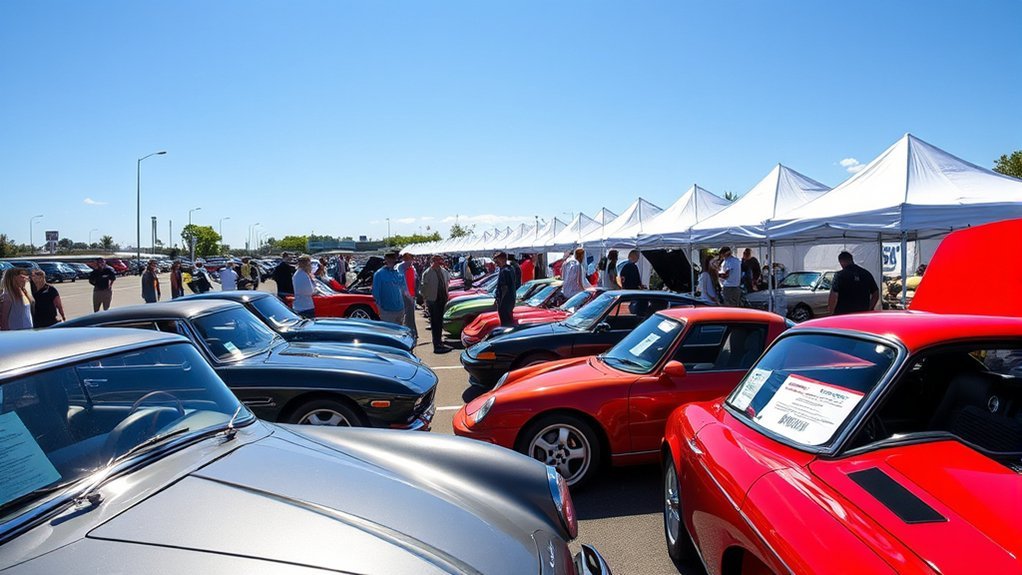
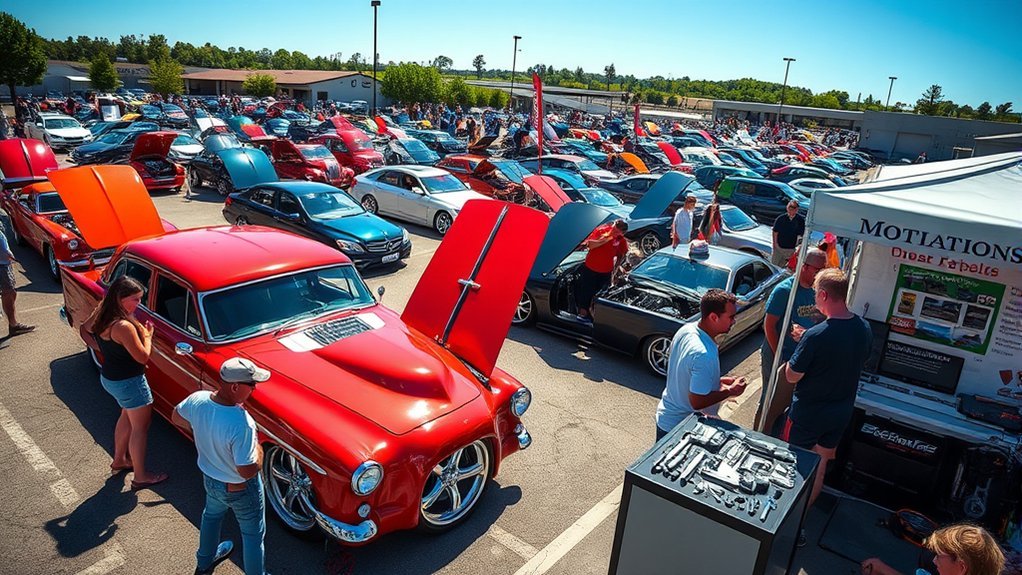
Attending local car shows can also help. Speak with vehicle owners about who performed the work and how the vehicle has held up after regular use.
Evaluate Credentials, Insurance, and Experience
ASE certification can be a useful sign for mechanical diagnosis and repair. The ASE Blue Seal Business Locator can help you identify recognized facilities. However, ASE certification alone does not prove expertise in custom tuning, composite bodywork, welding, paint, or your exact vehicle.
Ask the shop to explain:
- Which employees will perform the work
- What training or certifications apply to the job
- How many similar vehicles or projects they have completed
- What diagnostic, alignment, welding, fabrication, or calibration equipment they use
- Whether the business carries appropriate liability and garage-related insurance
- Whether a business or repair-facility license is required in your location and, if so, whether it is current
- Whether subcontractors will perform paint, tuning, machining, upholstery, alignment, or other work
For a large build, ask for two or three customer references from comparable projects. Contact those owners and ask how the vehicle performed after several months, not only on pickup day.
Questions to Ask Before Authorizing Work
- Have you completed this modification on my year, model, engine, or platform?
- What problems commonly occur with this installation?
- What supporting parts or maintenance should be completed first?
- Is each part legal for my vehicle’s registration location and intended use?
- Will the work affect emissions equipment, airbags, seat belts, braking, lighting, driver-assistance systems, or the factory warranty?
- Who will perform the work, and will any part be subcontracted?
- What testing will you perform before and after installation?
- What happens if the vehicle makes less power, develops a warning light, or cannot be completed as planned?
- What workmanship and parts warranties apply?
- How are additional repairs or cost increases approved?
- What deposit, cancellation, storage, and customer-supplied-parts policies apply?
- What records will I receive when the project is finished?
A skilled shop should be comfortable answering these questions without pressuring you to approve the job immediately.
How to Compare Modification Prices and Estimates
There is no dependable nationwide price range for most vehicle modifications. Two jobs with the same name can require different parts, labor, tuning, repairs, and testing. A bolt-on exhaust for a rust-free vehicle is not the same job as a custom exhaust that requires fabrication, broken-fastener removal, emissions-compatible parts, and sound testing.
Compare the total scope rather than the lowest number. A complete proposal may cost more because it includes work that a cheaper quote leaves out.
Build a Complete Project Budget
Ask each shop to separate the following items:
- Inspection and diagnosis: Baseline scan, measurements, leak checks, or road testing
- Parts: Brand, exact part number, quantity, condition, finish, and vehicle application
- Labor: Installation, removal, disassembly, reassembly, and troubleshooting
- Fabrication: Cutting, welding, machining, brackets, hardware, finishing, and corrosion protection
- Calibration: Engine, transmission, sensor, camera, radar, steering-angle, or other software work
- Supporting services: Alignment, balancing, fluids, gaskets, fasteners, heat shielding, or electrical upgrades
- Testing: Road test, leak test, brake test, dyno testing, or final scan
- Taxes and fees: Shop supplies, disposal, freight, permits, inspection, or subcontracted services
- Contingency: A clearly defined allowance for hidden damage or extra work, used only with your approval
Factors That Change the Final Cost
| Cost Factor | What to Confirm |
|---|---|
| Vehicle condition | Rust, prior repairs, worn mounts, damaged wiring, fluid leaks, broken hardware, and existing fault codes |
| Parts quality and fit | Exact application, included hardware, material, warranty, replacement availability, and expected service life |
| Installation complexity | Access, disassembly, fabrication, special tools, calibration, and whether supporting systems must be changed |
| Shop labor structure | Hourly rate, flat-rate time, diagnostic rate, fabrication rate, minimum charge, and shop-supply fee |
| Testing and documentation | Alignment sheets, scan reports, dyno files, photos, measurements, torque checks, and road testing |
| Legal compliance | Emissions approval, inspection requirements, lighting, tint, noise, ride height, tire coverage, and registration rules |
Note: The lowest estimate may exclude diagnosis, alignment, tuning, required hardware, taxes, testing, or repairs discovered during disassembly. Ask every shop to quote the same written scope before comparing totals.
What a Written Estimate Should Include
The Federal Trade Commission’s auto-repair guidance recommends obtaining a written estimate that identifies the condition being addressed, needed parts, expected labor, and when the shop must contact you for approval of additional work.
For modification work, the written estimate or work order should include:
- Your name and contact information
- The vehicle’s year, make, model, VIN, mileage, and current condition
- The project goal and intended vehicle use
- Exact part brands and part numbers
- Whether parts are new, used, rebuilt, customer-supplied, or custom-made
- Labor rates or flat-rate charges
- Diagnostic, design, fabrication, tuning, alignment, testing, and subcontractor charges
- Estimated start and completion dates
- The amount and refund terms of any deposit
- A maximum dollar or labor increase that requires your written approval
- A rule that no additional work begins without documented authorization
- Ownership and return terms for removed factory parts
- Storage, delay, cancellation, and abandoned-vehicle terms
- Parts and workmanship warranties
- Legal-use or off-road-use limitations
- The testing and documents provided at completion
After the work, obtain a final invoice listing each part, charge, service, and relevant vehicle mileage. Ask for removed parts when permitted and when you requested them in advance.
Check Legal, Emissions, and Safety Requirements
Warning: Do not authorize a shop to remove, bypass, disable, or hide required emissions controls or safety equipment. A shop’s willingness to perform a modification does not prove that the work is safe or legal for public-road use.
Emissions Compliance
The U.S. Environmental Protection Agency states that the Clean Air Act prohibits tampering with emissions controls and prohibits manufacturing, selling, or installing devices intended to defeat those controls.
Ask the shop to identify any part or software change that affects the catalytic converter, oxygen sensors, exhaust-gas-recirculation system, diesel particulate filter, selective catalytic reduction system, evaporative-emissions system, onboard diagnostics, or factory engine calibration.
California owners should check applicable part numbers and Executive Orders in the California Air Resources Board aftermarket-parts database. Other states and local areas may have their own inspection, emissions, exhaust-noise, tint, lighting, suspension, or equipment rules.
Airbags, Restraints, and Driver-Assistance Systems
Changes to seats, steering wheels, dashboards, pillars, headliners, bumpers, grilles, suspension height, wheel alignment, windshields, mirrors, or wiring can affect airbags, seat-belt systems, cameras, radar, parking sensors, and driver-assistance features.
NHTSA explains that airbags are designed to work with seat belts. Ask the shop how it will protect these systems, prevent diagnostic faults, and complete any required calibration.
Before modifying the vehicle, use the NHTSA VIN recall lookup to check for unrepaired safety recalls. Complete urgent recall work before a modification blocks access to the affected component or changes the vehicle around it.
Brakes, Suspension, Wheels, and Tires
For changes that affect handling or stopping, ask the shop to confirm:
- Wheel and tire load ratings
- Tire clearance through the full steering and suspension range
- Correct wheel-fastener type and torque
- Brake-hose and sensor-wire routing
- Alignment targets and final measurements
- Headlight aim after ride-height changes
- Whether stability-control, steering-angle, or driver-assistance calibration is needed
- Whether the spare tire, jack, and roadside procedures still work
Hybrid and Electric Vehicle Safety
High-voltage vehicles require special training, insulated equipment, correct shutdown procedures, and knowledge of battery and cable locations. Do not allow an unqualified shop to cut, drill, weld, lift, or route wiring near high-voltage parts. Ask who is trained for the vehicle and what manufacturer procedures will be followed.
Consider Warranty, Insurance, and Resale Effects
Using an aftermarket part does not automatically cancel an entire factory warranty. The FTC explains that warranty coverage can remain in effect with aftermarket parts. However, a manufacturer or dealer may deny coverage for damage caused by a defective part or improper installation.
Before a major modification:
- Read the factory warranty and any service-contract terms.
- Ask the vehicle manufacturer or warranty administrator questions in writing.
- Keep maintenance records, receipts, part numbers, calibration files, and invoices.
- Ask the modification shop what it will cover if its part or labor causes damage.
- Contact your insurer to ask whether the modification must be reported and whether it changes coverage or the vehicle’s stated value.
- Consider how irreversible changes, cut wiring, drilled bodywork, unusual paint, or removed factory parts may affect resale.
Keep the original parts when practical. Returning a vehicle to stock may be useful for warranty diagnosis, emissions testing, resale, or a future ownership change.
How to Identify Trustworthy Customer Reviews
Do not judge a shop by its average star rating alone. Strong reviews often include details that another customer could verify.
- Comparable work: The reviewer identifies the vehicle, modification, and result.
- Specific communication: The review explains how estimates, delays, changes, and updates were handled.
- Long-term result: The owner reports how the vehicle performed after weeks or months.
- Problem handling: The review explains whether the shop corrected a leak, warning light, fitment problem, paint flaw, or tune issue.
- Consistent patterns: Several independent reviewers describe similar strengths or problems.
- Balanced language: The review gives useful details instead of only praise, anger, or promotional claims.
Be cautious when many reviews appear in a short period, use nearly identical wording, focus only on staff friendliness, or provide no details about the completed work.
Communicate Clearly During the Project

Give the shop one clear contact person and one approved method for changes. Email or a customer portal is useful because it creates a record of decisions.
Before work begins, confirm:
- The approved project scope
- The budget limit
- The expected timeline
- How often updates will be provided
- Whether photos will be taken during disassembly and installation
- Who can approve additional work
- What happens if a part is delayed or does not fit
- Whether the vehicle may be road-tested or dyno-tested
- What fuel, tire pressure, drive mode, or other setup the shop will use for testing
Do not rely on a casual verbal conversation for expensive changes. Ask the shop to write a change order that lists the reason, added parts, added labor, new total, and effect on the completion date.
Likewise, do not repeatedly change the build goal during the project. Scope changes can cause delays, duplicated work, incompatible parts, and extra cost.
Red Flags When Choosing a Modification Shop
- Guaranteed results without inspection: The shop promises exact power, fitment, completion time, or reliability before seeing the vehicle.
- No written estimate: The shop wants a large payment based only on a conversation or direct message.
- Pressure to act immediately: Staff push a deposit before answering questions or listing parts.
- Illegal-work claims: The shop offers emissions deletes, hides warning lights, or says a road-use rule does not matter.
- No project-specific examples: Photos show attractive vehicles but not the same type of work or platform.
- Unclear parts: The estimate uses terms such as “performance kit” without brands, part numbers, materials, or applications.
- No approval limit: The shop can add work or cost without contacting you.
- Poor vehicle protection: Interiors, paint, glass, wiring, and removed parts are left unprotected.
- Disorganized records: Staff cannot locate your estimate, parts, measurements, or prior messages.
- No testing plan: The shop cannot explain how it will check leaks, warning lights, alignment, drivability, braking, or fitment.
- No workmanship warranty: Staff refuse to state what happens if their installation fails.
- Requests for unsafe payment: The shop insists on an unusually large cash payment without a receipt or written terms.
A busy or temporarily cluttered work area is not automatic proof of poor workmanship. Focus on whether vehicles are protected, tools and parts are controlled, hazardous work is separated, and customer projects are documented.
Inspect the Vehicle Before Final Pickup
Set aside enough time to review the finished work. Do not make the final inspection in poor light or when the shop is closing.
Visual and Operating Checks
- Confirm that no new warning lights are present.
- Check for fluid, exhaust, air, or vacuum leaks.
- Inspect paint, glass, wheels, trim, seats, and interior panels for damage.
- Check that wiring is fused, secured, insulated, and away from heat or moving parts.
- Look for tire rubbing, loose liners, uneven panel gaps, sharp edges, and exposed metal.
- Verify that lights, cameras, sensors, locks, windows, climate controls, and safety features operate.
- Check cold start, idle, normal acceleration, braking, steering, and ride quality when a safe test drive is appropriate.
- Confirm that any unusual sound, smell, vibration, or warning message is explained before accepting the vehicle.
Documents to Collect
- Final itemized invoice
- Part brands and exact part numbers
- Parts and workmanship warranty terms
- Alignment report
- Diagnostic scan reports
- Dyno charts and test conditions, when applicable
- Stock and modified calibration files, when applicable
- Photos of hidden fabrication or wiring
- Maintenance and inspection schedule
- Required torque recheck or follow-up appointment
- Receipts and warranty cards for subcontracted work
- Removed factory parts you asked to retain
Pro Tip: Photograph the vehicle, odometer, fuel level, wheels, body panels, and interior when dropping it off and again at pickup. The images create a simple condition record for both you and the shop.
What to Do if a Problem Appears After the Work
Stop driving if the vehicle has a serious fluid leak, overheating, brake problem, fuel smell, electrical smoke, loose steering, tire contact, or a warning related to airbags or other critical systems.
Contact the shop promptly and describe the symptoms in writing. Include photos, videos, diagnostic messages, and the conditions under which the problem occurs. Give the shop a reasonable opportunity to inspect work covered by its warranty, unless driving the vehicle would be unsafe.
Keep a record of every conversation, invoice, tow bill, diagnostic report, and repair attempt. If the dispute cannot be resolved, review your written agreement and contact the consumer-protection or automotive-repair authority that applies in your state or locality.
Use Local Car Clubs Without Relying on Hype
Car clubs and enthusiast communities can provide useful referrals, platform knowledge, parts experience, and examples of long-term results. Attend meetings, cruises, track days, off-road events, or car shows and speak directly with owners.
Still, treat recommendations as one part of your research. A club sponsor, social-media personality, or popular build may have a business relationship with a shop. Ask whether a recommendation is based on paid work, discounted work, sponsorship, friendship, or direct ownership experience.
Use community advice to create your shortlist, then complete your own checks for estimates, warranties, legal compliance, insurance, equipment, qualifications, and comparable projects.
Frequently Asked Questions
What certifications should a car modification shop have?
The useful qualification depends on the work. ASE credentials can support mechanical and diagnostic competence, while fabrication, paint, alignment, tuning, hybrid, and high-voltage work require different training and experience. Ask which person will perform the job and request examples involving the same vehicle platform and modification.
Should I get more than one modification estimate?
Yes, especially for expensive, custom, or safety-related work. Ask each shop to quote the same written scope. Compare parts, labor, fabrication, tuning, testing, warranties, fees, and exclusions rather than comparing only the final number.
Will aftermarket modifications void my vehicle warranty?
An aftermarket part does not automatically cancel the entire warranty. However, coverage may be denied for damage caused by a defective part, improper installation, or related modification. Keep detailed maintenance, parts, tuning, and installation records, and ask the warranty provider about concerns in writing.
Is an emissions delete legal for a street vehicle?
No. Federal law prohibits tampering with required emissions controls and prohibits devices intended to defeat those controls. State and local rules may add inspection and equipment requirements. Confirm the legal application of emissions-related parts before installation.
What should be included in a modification-shop estimate?
The estimate should identify the vehicle, project scope, exact parts, labor or flat-rate charges, diagnostic and fabrication fees, testing, taxes, deposit, completion estimate, warranty, legal-use limits, and the amount of extra work that requires your written approval.
What is the 20/3/8 rule for buying a car?
The 20/3/8 rule is a vehicle-financing rule of thumb: put about 20% down, use a loan term of about three years or less, and keep the payment near or below 8% of gross income. It is not a law and does not determine how much you can safely spend on modifications. Consider insurance, maintenance, repairs, and emergency savings before funding a build.
What is the cheapest month to buy a car?
There is no month that is always cheapest. Dealer inventory, incentives, model changes, demand, vehicle type, and local market conditions can matter more than the calendar. This question is separate from choosing a modification shop, but buying the right vehicle and leaving room in the budget for maintenance should come before major upgrades.
What is the 30-60-90 rule for cars?
It is a traditional reminder to inspect or service a vehicle around 30,000-mile intervals. It is not a universal maintenance schedule. Follow the manufacturer’s owner’s manual and maintenance schedule for your exact vehicle, engine, driving conditions, and current modifications.
What are typical car show entry fees?
Entry fees vary by event, vehicle class, judging package, parking arrangement, and included benefits. Check the official organizer’s registration page for the current amount, refund policy, arrival rules, insurance requirements, and whether display vehicles must meet safety or fuel-level restrictions.
Conclusion
Choosing a reputable car modification shop requires more than reading reviews or finding the lowest estimate. Define the build first, match it to the correct specialist, verify comparable experience, and insist on a detailed written agreement. The shop should explain legal limits, safety effects, testing, warranty terms, and possible supporting work before taking your deposit.
Walk away from vague parts lists, unauthorized cost increases, emissions-delete offers, disabled warning systems, or promises that cannot be supported by an inspection. A careful shop may ask more questions and recommend a smaller first step, but that caution is often a sign that it is protecting both the vehicle and the customer.
Sources
- Federal Trade Commission — Auto Repair Basics — written estimates, repair orders, warranties, maintenance guidance, and consumer records
- Federal Trade Commission — Auto Warranties and Auto Service Contracts — aftermarket parts, warranty coverage, causation, and maintenance records
- U.S. Environmental Protection Agency — Stopping Aftermarket Defeat Devices — federal emissions tampering and defeat-device requirements
- California Air Resources Board — Aftermarket Parts Database — California Executive Orders and covered aftermarket-part applications
- National Institute for Automotive Service Excellence — Blue Seal Business Locator — locating recognized facilities with ASE-certified personnel
- National Highway Traffic Safety Administration — Air Bags and NHTSA Recall Lookup — restraint-system safety and VIN-based recall checks





Leave a Reply