
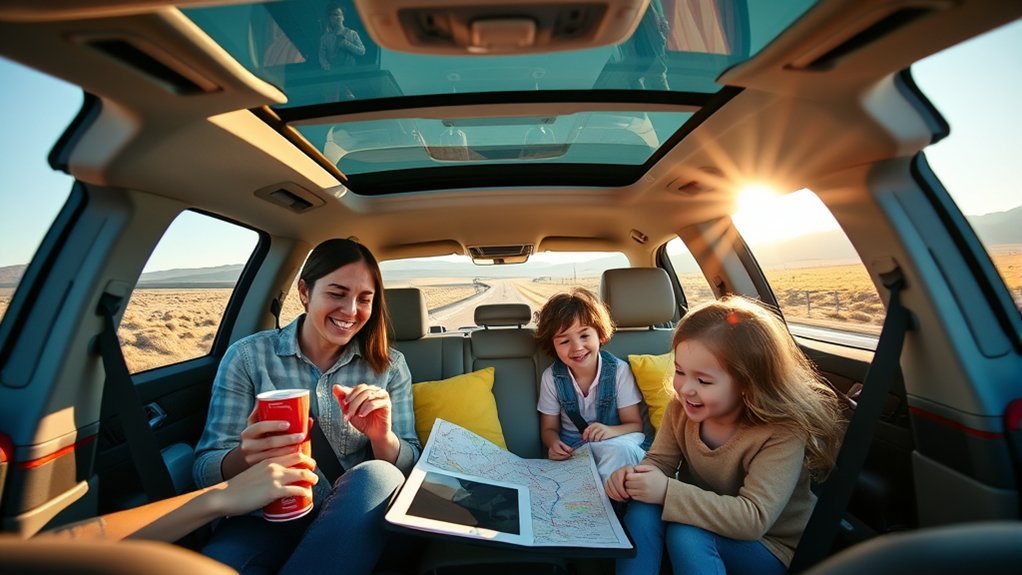
A family road trip is easier when the route, vehicle, food, breaks, and entertainment are planned together. Build a schedule with extra time instead of trying to cover the maximum distance each day. A flexible plan helps your family handle traffic, weather, spills, tired children, and unexpected stops without turning every delay into a crisis.
Quick Answer
A successful family road trip starts with a realistic route, a road-ready vehicle, correctly used child restraints, planned rest stops, safe food storage, and a simple emergency kit. Keep the schedule flexible, give children age-appropriate jobs, and stop whenever the driver feels tired or a passenger needs a break.
Key Takeaways
- Plan daily mileage around your family’s comfort, not an arbitrary driving target.
- Check the vehicle, weather, road conditions, reservations, and backup routes before departure.
- Use the correct car seat, booster, or seat belt for every child on every trip.
- Keep perishable food at 40°F (4°C) or below and discard it when safe time limits are exceeded.
- Pack essentials where you can reach them without unloading the entire vehicle.
At a Glance
| Time Required | About 1–3 hours for route, lodging, food, and packing plans; allow more time for vehicle service |
| Difficulty | Easy to moderate |
| Tools Needed | Route map or navigation app, vehicle manual, packing list, cooler, first aid kit, chargers, and emergency supplies |
| Cost | Planning can be free; trip costs depend on distance, fuel, lodging, meals, tolls, parking, and activities |
Essential Pre-Trip Planning for a Smooth Family Road Trip
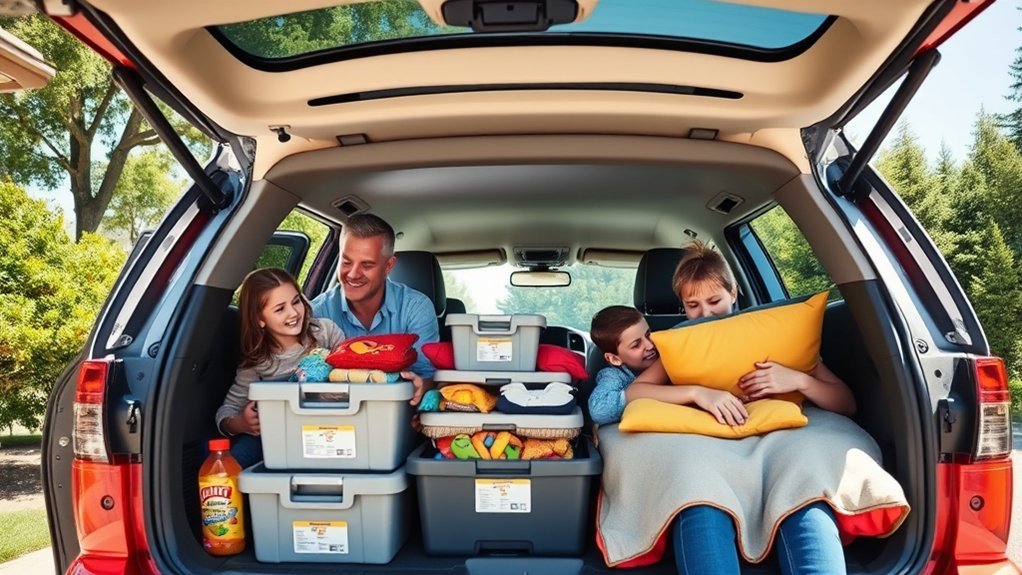
Start with a flexible itinerary that balances driving time, meals, rest stops, and enjoyable activities. Add buffer time for traffic, construction, weather, and slower-than-expected mornings. A trip feels less stressful when one delayed stop does not ruin the rest of the day.
The best family itinerary is not the one that covers the most miles. It is the one your family can follow safely and still enjoy.
Research accommodations before you leave. Look for practical family features such as included breakfast, laundry access, cribs, refrigerators, parking, playgrounds, pools, and flexible cancellation terms. Confirm late-arrival procedures and keep reservation numbers available offline.
Create one master packing list, then divide it into bags or bins for clothing, food, entertainment, overnight essentials, and emergencies. Keep medications, identification, insurance cards, chargers, water, wipes, and one change of clothes within easy reach.
Involve children in age-appropriate planning. A child can choose a playlist, mark stops on a printed map, select a family activity, or help track a small souvenir budget. A non-driving adult or older passenger can handle navigation so the driver is not distracted.
Check Your Vehicle Before the Trip
Before a long drive, follow your owner’s manual and check tire pressure when the tires are cold, tire condition, the spare tire or mobility kit, lights, wiper blades, fluid levels, battery condition, and air conditioning. The National Highway Traffic Safety Administration’s road trip checklist also recommends checking for open recalls and making sure the vehicle has basic roadside supplies.
- Schedule overdue maintenance before the departure date, not the night before.
- Confirm that roadside-assistance and insurance information is current.
- Secure luggage so it cannot become a projectile during a sudden stop.
- Download maps and reservation details in case mobile service is weak.
- Check forecasts and official state road-condition or 511 services before each driving day.
Pro Tip: Pack a small overnight bag for each travel day. You can carry one bag into the hotel instead of unloading the entire vehicle.
Engaging Kids During Travel
Keeping children engaged can turn a long drive into part of the vacation. Rotate quiet activities, conversation, audio entertainment, snacks, and stops instead of relying on one activity for the whole day.
- Interactive road trip games: Try license plate bingo, “I Spy,” twenty questions, or a landmark scavenger hunt. Choose games that do not require the driver to look away from the road.
- Travel storytelling: Build a story one sentence at a time, listen to an audiobook, or choose an age-appropriate podcast and discuss it afterward.
- Customized puzzles: Make word searches, coloring pages, or trivia sheets based on destinations along the route.
- Age-appropriate jobs: Let children track stops, choose music, hand out snacks, or record trip highlights. Do not give a child control of a phone that the driver needs for navigation.
Pack activities in separate envelopes or pouches and reveal them gradually. Headphones can reduce noise, but children should still be able to hear a caregiver when necessary. For screens, download content before departure and set reasonable breaks to reduce eye strain and motion sickness.
Efficient Packing Tips for Family Snacks and Meals
Road-trip food should be easy to reach, low-mess, and safe at the temperature where it is stored. Pack dry snacks separately from cold food, and keep a small trash bag and cleaning wipes near the seating area.
Smart Snack Packing Strategies
- Offer variety: Choose foods your family already tolerates well, such as whole fruit, crackers, nuts for children old enough to eat them safely, granola bars, cheese, yogurt, or sandwiches.
- Use individual containers: Portion snacks into washable bowls, resealable bags, or lidded containers to reduce spills and arguments over sharing.
- Separate cold and dry food: Keep shelf-stable snacks in a tote and perishable food in an insulated cooler with enough ice or frozen gel packs.
- Consider choking risk: Cut food to an age-appropriate size, and avoid giving young children hard, round, or sticky foods while the vehicle is moving.
Portion Control Techniques
Pack small servings and refill them at stops. This keeps crumbs and wrappers under control while allowing children to decide whether they are still hungry. Spill-resistant cups can help, but they should be cleaned daily and secured when not in use.
Give each child a designated snack pouch, then keep backup food with an adult. This encourages responsibility without giving a child access to the entire trip’s supply at once.
Meal Prep Essentials
Prepare foods that travel well and avoid ingredients that become unsafe or unpleasant after hours in a warm vehicle. Label containers, pack utensils and napkins together, and place the foods needed first near the top of the cooler.
According to FoodSafety.gov, cold perishable food should stay at 40°F (4°C) or below. Perishable food should not remain unrefrigerated for more than two hours, or more than one hour when the temperature is above 90°F (32°C).
Note: A frozen drink can add cooling power, but it is not a substitute for enough ice or frozen gel packs. A small cooler thermometer makes it easier to confirm that food stays at 40°F or below.
Keeping Your Family Safe and Healthy on the Road
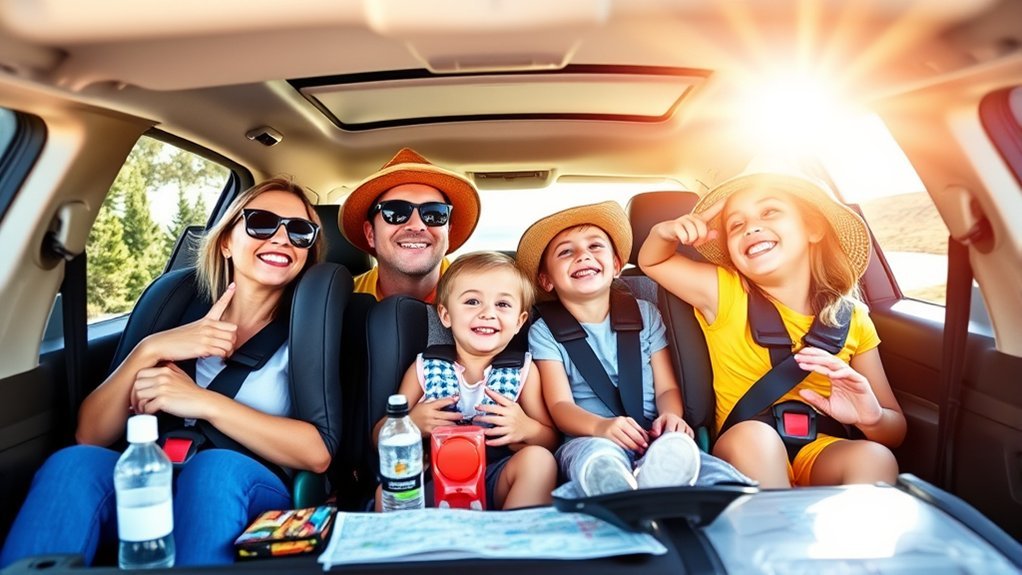
Pack a first aid kit with bandages, antiseptic wipes, gloves, a thermometer, and supplies suited to your family. Bring prescription medicines in their labeled containers, plus enough for likely delays. The CDC recommends preparing a travel health kit around each traveler’s health needs and the type of trip.
Use the Right Restraint for Every Child
Choose a car seat or booster based on the child’s age, size, and the seat manufacturer’s limits. Install and use it exactly as directed every time. NHTSA advises that children younger than 13 ride correctly restrained in the back seat and provides a car-seat and booster-seat guide. State laws vary, so check the laws for every state on your route.
Protect the Driver From Fatigue and Distraction
Set navigation and music before moving. Let a passenger handle messages, route changes, dropped items, and child requests. If the driver becomes sleepy, irritable, unfocused, or has trouble staying in the lane, stop in a safe place. Coffee alone is not a reliable plan; NHTSA’s drowsy-driving guidance emphasizes adequate sleep and recognizing warning signs.
Prepare for Minor Emergencies
- Keep emergency contacts, health insurance information, and lodging details available on paper and on a charged phone.
- Teach children who are old enough how to call 911, state their name, and identify the trusted adult they are traveling with.
- Carry water, a flashlight, charging cable or battery pack, reflective warning device, basic tools, and season-appropriate clothing.
- Use sanitizing wipes when useful, but prioritize handwashing before eating and after restroom stops.
- Store keys securely and out of children’s reach at hotels and campsites.
Warning: Never leave a child alone in a parked vehicle, even for a minute or with the windows cracked. Check the entire vehicle before locking it, and keep parked vehicles locked so children cannot climb inside.
Managing Bathroom Breaks on Long Drives
There is no single break schedule that works for every family. Babies, toilet-training children, pregnant travelers, older adults, and people taking certain medicines may need more frequent stops. Use your route plan as a starting point and stop sooner when anyone asks.
- Mark likely stops: Identify rest areas, fuel stations, restaurants, visitor centers, parks, and other dependable facilities before leaving.
- Pair breaks with movement: Use safe stops for restrooms, water, stretching, diaper changes, and a quick check of the vehicle and cargo.
- Carry backup supplies: Pack toilet paper, wipes, hand sanitizer, sealable waste bags, spare clothing, and a travel potty when appropriate.
- Do not wait for an emergency: A child may give little warning, so stop when a convenient clean facility appears rather than pushing to the next planned location.
On remote routes, verify operating hours and seasonal closures. Never stop on a highway shoulder for a routine bathroom break when a safer exit or pullout is available.
Fun Family Activities at Pit Stops
Pit stops can be part of the experience instead of a delay. Choose safe, well-lit places where children can move after sitting for a long period.
- Visit a playground, short walking trail, visitor center, or small museum along the route.
- Use a picnic table for a quick meal and a low-equipment activity such as stretching, jumping jacks, or a soft flying disc.
- Create a scavenger hunt for signs, plants, public art, or local landmarks.
- Try a short family challenge, such as spotting five birds or taking a photo that represents each stop.
Keep activities short enough that the day remains realistic. A ten-minute stretch may be more useful than adding an unplanned hour-long attraction when everyone is already tired.
A useful pit stop meets a basic need and gives everyone a small reset before the next part of the drive.
Creative Ways to Document Your Trip Memories

Documenting the trip gives children a reason to notice places instead of only asking when they will arrive.
- Photo journaling: Let each child use a disposable camera or an old phone in airplane mode to photograph what interests them. Set rules about privacy and where photos may be taken.
- Travel scrapbooking: Save postcards, maps, ticket stubs, drawings, and printed photos for a scrapbook after the trip.
- Travel diaries: Give each child a notebook with simple prompts such as “best thing today,” “something new I learned,” and “what I want to remember.”
- Daily family recap: At dinner or bedtime, ask everyone to name one favorite moment and one thing that could make tomorrow easier.
After the trip, review the photos and notes together. This helps children organize their memories and gives the family a record that reflects more than the adults’ point of view.
Budgeting Wisely for Family Road Trips
A useful road-trip budget is based on the actual route and current quotes, not national price ranges that may not match your destination. Include fuel or charging, lodging, meals, tolls, parking, activities, pet care, laundry, and a buffer for unexpected costs.
Estimate Trip Expenses
- Fuel: Estimate gallons by dividing total trip miles by your vehicle’s expected miles per gallon, then multiply by the price per gallon. Add extra mileage for local driving and detours.
- Charging: For an electric vehicle, review the route, charger availability, network pricing, hotel charging rules, and likely time at each stop.
- Meals: Price a realistic mix of packed meals, groceries, restaurant meals, and snacks based on your family’s needs.
- Accommodation: Use current quotes that include taxes, resort fees, parking, pet fees, and cancellation terms.
- Activities: Include admission, reservations, equipment rental, souvenirs, and tips where applicable.
Choose a contingency buffer that fits your finances. A percentage such as 10% may be useful, but the right amount depends on trip length, flexibility, and access to emergency funds.
Utilize Discounts and Deals
Compare the official websites of hotels, campgrounds, museums, parks, and attractions with reputable booking services. Check for family, group, military, senior, resident, reciprocal-membership, or off-peak discounts when they apply. Read cancellation rules before choosing a lower nonrefundable rate.
Loyalty programs can reduce costs for travelers who already use them, but do not let points persuade you to accept a worse route or higher total price. Free or discounted admission days may be crowded or require reservations, so confirm details with the official venue.
Track Spending Effectively
Use a budgeting app, note, or spreadsheet to record expenses by category each day. Compare actual spending with the plan before the next major purchase.
- Fuel or charging: Record each stop and the amount paid.
- Food: Separate groceries, snacks, and restaurant meals.
- Lodging: Record the full amount, including taxes and fees.
- Activities: Track admission, parking, rentals, and souvenirs.
Children can manage a small, fixed souvenir allowance. This teaches them to compare choices without making them responsible for essential family expenses.
Frequently Asked Questions
How do you make a family road trip easier?
Use a flexible route, pack essentials within reach, rotate simple activities, plan safe stops, and let a passenger handle navigation and child requests. Build extra time into each day so traffic, meals, and bathroom breaks do not create constant pressure.
What should you not forget on a family road trip?
Bring identification, insurance information, medications, chargers, water, food, a first aid kit, weather-appropriate clothing, child-restraint instructions, reservation details, roadside-assistance information, and basic emergency supplies. Keep critical items accessible rather than buried under luggage.
What is the hardest age for a child to take on a road trip?
There is no universal hardest age. Toddlers may struggle with sitting still and communicating needs, while older children may become bored or carsick. Plan around the specific child’s sleep, feeding, toilet, sensory, and activity needs instead of relying on an age rule.
How many hours should a family drive in one day?
No single daily limit fits every family. Set a conservative plan based on driver sleep, road conditions, traffic, children’s needs, and the availability of safe stops. Shorten the day whenever the driver feels drowsy or passengers are no longer coping well.
How often should a family stop on a long drive?
Plan regular opportunities for restrooms, hydration, movement, and driver checks, but stop sooner when anyone needs to. Young children, toilet training, medical needs, pregnancy, heat, and rough roads can all require more frequent breaks.
What belongs in a family road trip emergency kit?
Carry a first aid kit, water, flashlight, phone charger or battery pack, reflective warning device, basic tools, seasonal clothing or blankets, essential medicines, emergency contacts, and supplies for children or pets. Add items required by the weather and remoteness of the route.
Conclusion
A memorable family road trip depends less on a perfect schedule than on safe preparation and room to adapt. Check the vehicle, use the right restraints, protect the driver from fatigue, store food safely, and keep essential supplies close. Then leave enough space in the plan for playgrounds, questions, photos, and the unexpected moments your family may remember most.
Sources
- National Highway Traffic Safety Administration: Summer Driving and Road Trip Tips — vehicle checks, recalls, tires, emergency supplies, and child safety
- National Highway Traffic Safety Administration: Car Seats and Booster Seats — choosing and using child restraints
- National Highway Traffic Safety Administration: Drowsy Driving — fatigue risks and warning signs
- FoodSafety.gov: Four Steps to Food Safety — cold-storage temperatures and time limits
- Centers for Disease Control and Prevention: Pack Smart — travel health kits and medicines
- National Weather Service: United States Road Conditions — official state road-condition resources







Leave a Reply