
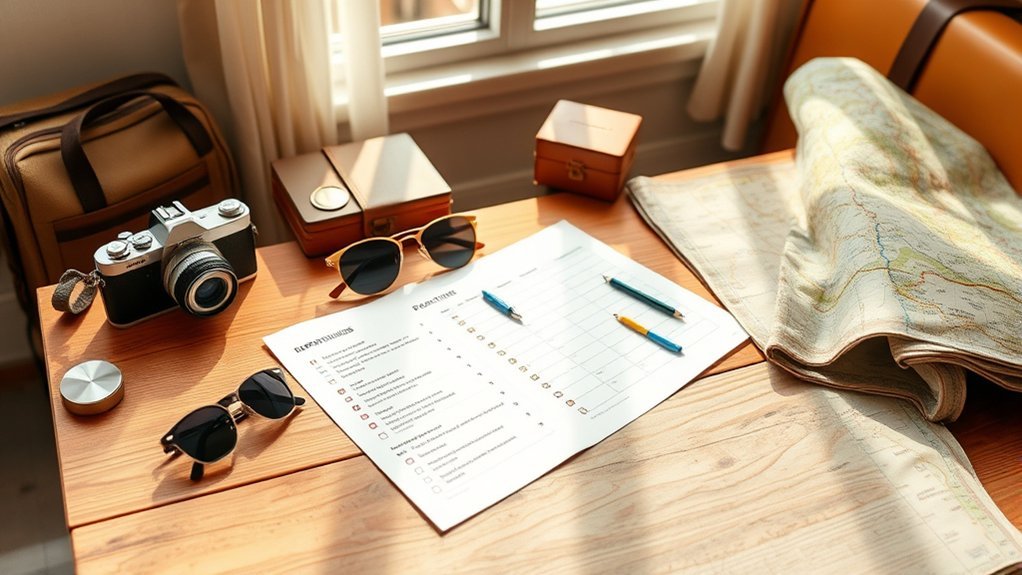
A smooth road trip starts before the engine does. A careful vehicle inspection, a realistic route, the right documents, and a well-stocked emergency kit can prevent small problems from becoming expensive or dangerous delays. Use this road trip checklist several days before departure so you have time to repair, replace, or reorganize anything that is not ready.
Quick Answer
Before a road trip, inspect your tires, brakes, fluids, battery, lights, wipers, warning indicators, and emergency equipment. Check for open recalls, plan fuel or charging stops, pack documents and medications, schedule rest breaks, and secure children and pets properly. Repair known problems before leaving instead of hoping they last.
Key Takeaways
- Check tire pressure when the tires are cold and use the pressure on the driver-door placard or in the owner’s manual—not the maximum pressure molded into the tire sidewall.
- Do not ignore warning lights, leaks, unusual noises, weak brakes, overheating, or battery problems. Have them diagnosed before the trip.
- Carry a roadside kit, first-aid supplies, water, food, chargers, medications, and the equipment your vehicle uses for a flat tire.
- Plan rest stops and alternate drivers. Fatigue is a driving hazard, not a problem that music or an open window reliably fixes.
- Keep pets restrained in the back seat or in a secured carrier, and never leave a person or animal alone in a parked vehicle.
At a Glance
| Time Required | About 30–60 minutes for a basic check; longer if service or repairs are needed |
| Difficulty | Easy for visual checks; professional service may be needed for brakes, warning lights, leaks, batteries, or high-voltage systems |
| Tools Needed | Tire-pressure gauge, flashlight, clean cloth, owner’s manual, phone charger, and this checklist |
| Cost | Often $0 for inspection; emergency supplies, maintenance, and repairs vary by vehicle and trip |
What to Check Before Hitting the Road
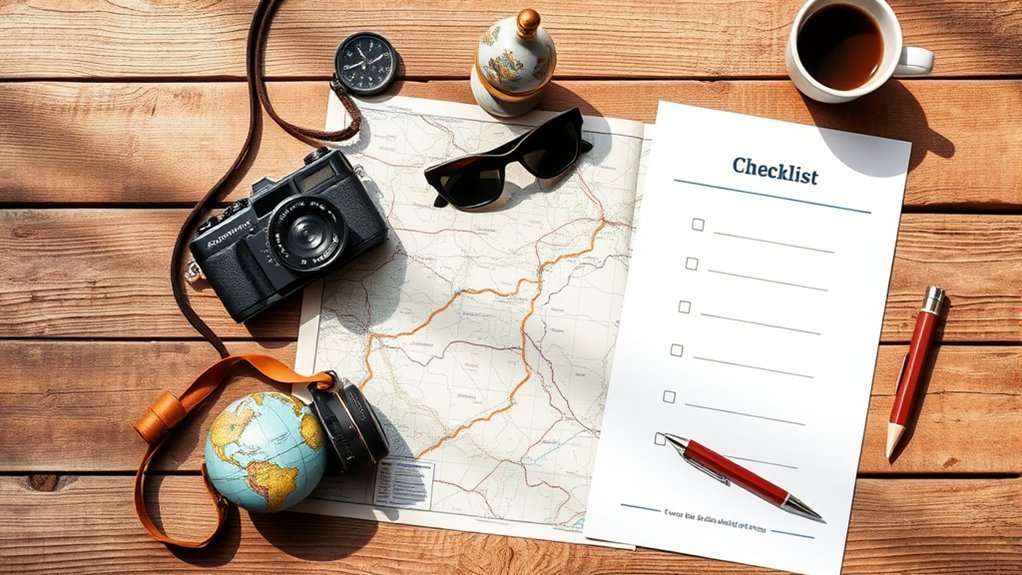
Begin the inspection several days before departure, not the night before. That gives you time to schedule service, order a tire, replace a battery, or correct a recall. Use the maintenance schedule and specifications for your exact model year and powertrain because gasoline, diesel, hybrid, and electric vehicles do not share every service item.
Check Warning Lights and Open Recalls
Start the vehicle and watch the instrument panel. Most warning lights briefly illuminate during the startup check and then turn off. A light that stays on, flashes, or appears while driving needs attention according to the owner’s manual. Do not erase a diagnostic code simply to turn off a check-engine light before a trip; the underlying fault may still affect drivability, fuel use, emissions, or reliability.
Use the NHTSA recall lookup to check the 17-character vehicle identification number for unrepaired safety recalls. Also verify recalls for child restraints, tires, and other safety equipment you will use.
Inspect Tires, Wheels, and Brakes
Check all road tires when they are cold, ideally before driving or after the vehicle has been parked for at least three hours. Inflate them to the pressure listed on the driver-door placard or in the owner’s manual. The pressure molded into a tire sidewall is a maximum value for the tire, not the recommended pressure for the vehicle.
- Look for cuts, cracks, bulges, punctures, exposed cords, objects in the tread, and uneven wear.
- Confirm that tread depth is above the legal minimum and suitable for the weather you expect. NHTSA identifies 2/32 inch as the replacement threshold.
- Check the spare tire if your vehicle has one. If it uses an inflator, sealant kit, run-flat tires, or roadside-assistance plan instead, confirm that the system is present, current, and usable.
- Make sure the jack, lug wrench, wheel-lock key, tow-eye, and any model-specific tools are in the vehicle.
- Have brakes inspected if the pedal feels soft, the vehicle pulls, braking causes vibration, warning lights appear, or you hear grinding or persistent squealing.
Detailed tire-pressure and tread guidance is available from NHTSA TireWise.
Check Fluids, Cooling, Battery, Lights, and Wipers
Follow the owner’s manual when checking engine oil, coolant, brake fluid, transmission or clutch fluid, power-steering fluid where applicable, and windshield-washer fluid. Use only the specified fluid. A level that drops repeatedly can indicate a leak or worn component, so repeated topping-off is not a substitute for diagnosis.
Warning: Never remove a radiator, coolant reservoir, or pressurized cooling-system cap while the engine is hot. Steam and hot coolant can cause severe burns. On an electric or hybrid vehicle, do not touch, disconnect, or attempt to repair orange high-voltage cables or traction-battery components; use a qualified technician.
- Check beneath the vehicle for fresh fluid spots and inspect visible hoses and belts for cracks, swelling, fraying, or leaks.
- Test the battery or 12-volt auxiliary battery if starts have been slow, electronics behave oddly, or the battery is nearing the replacement interval in the owner’s manual.
- Test headlights, high beams, brake lights, turn signals, hazard flashers, license-plate lights, and interior lights.
- Replace wiper blades that streak, chatter, split, or fail to clear the windshield.
- Confirm that heating, defrosting, and air conditioning work for the conditions on your route.
Verify Safety and Convenience Equipment
Check every seat belt, adjust mirrors, secure loose cargo, and remove objects that could roll under the pedals. Review the owner’s manual for driver-assistance features so you understand what they can and cannot do. Pair phones, set navigation, and position mounts before moving.
Pro Tip: Take a 15- to 20-minute local test drive after loading the vehicle. Listen for rubbing, rattles, or new vibrations, and confirm that cargo does not block mirrors, lights, air vents, or access to the emergency kit.
Must-Have Items for Your Road Trip Packing List
Packing is easier when you separate necessities from comfort items. Keep safety equipment and documents where you can reach them without unloading the entire cargo area.
Documents and Trip Information
- Driver’s license, vehicle registration, and current proof of insurance
- Roadside-assistance membership details and insurer contact information
- Reservation confirmations, destination address, and an offline copy of the route
- Health insurance cards, emergency contacts, and a list of medications or allergies
- Passport, permits, toll account information, or pet records when the route requires them
Roadside Emergency Kit
A practical roadside kit should match the season, route, and vehicle. The federal Ready.gov car-safety checklist includes core items such as jumper cables, warning devices, a phone charger, a blanket, and a map.
- Reflective warning triangles or road flares approved for your area
- Flashlight or headlamp with spare batteries
- First-aid kit and personal medications
- Jumper cables or a charged jump pack suitable for the vehicle
- Tire gauge and the vehicle’s spare, repair, or inflation equipment
- Work gloves, basic tools, duct tape, and shop towels
- Seasonal gear such as an ice scraper, warm clothing, sun protection, or traction aid
- Drinking water, shelf-stable food, and a blanket for unexpected delays
- Portable phone charger and charging cables
Do not store loose heavy tools where they could strike occupants during sudden braking. Secure the kit in the trunk, cargo area, or a latched container.
Comfort, Hygiene, and Entertainment
Pack neck pillows, a light blanket, sunglasses, hand sanitizer, wet wipes, tissues, trash bags, and a small cooler. Download music, audiobooks, podcasts, maps, and children’s activities before entering areas with weak cellular coverage. Keep the driver’s entertainment hands-free and low-distraction.
Essential Safety Measures for a Safe Journey
Vehicle preparation matters, but the safest road trip also depends on the driver’s condition, route choices, and response to changing conditions.
Plan the Route and Rest Schedule
- Review traffic, road closures, construction, severe-weather alerts, mountain-pass conditions, and wildfire or flood risks before departure and during stops.
- Identify fuel stations or compatible charging sites, rest areas, hospitals, lodging, and alternate routes.
- Build extra time into the schedule instead of treating the estimated arrival time as a deadline.
- Change drivers or stop when tired. NHTSA advises starting a long trip well-rested and warns that caffeine alone does not correct serious sleep loss.
- Read prescription and over-the-counter medication labels for drowsiness or driving warnings.
A safe arrival matters more than an on-time arrival. Stop when weather, fatigue, illness, or vehicle behavior makes continued driving unsafe.
Know What to Do During a Breakdown
- Move as far from traffic as safely possible. Use a parking lot or exit when the vehicle can still move safely.
- Turn on hazard flashers, set the parking brake, and make the vehicle visible with reflective warning devices when conditions allow.
- Call roadside assistance. Call 911 for a crash, fire, medical emergency, dangerous traffic position, or immediate threat.
- Stay behind a barrier or inside the vehicle with seat belts fastened when leaving the vehicle would put you near fast traffic. Follow instructions from emergency personnel.
- Do not attempt a roadside repair unless the location, weather, traffic, tools, and your skill make it safe.
Warning: Never stand directly in front of or behind a disabled vehicle near moving traffic. If you smell fuel, see smoke or flames, or suspect an electric-vehicle battery problem, move everyone away and call emergency services.
Share Your Travel Plan
Tell a trusted person your planned route, overnight stops, vehicle description, and expected arrival. Update them when the route changes significantly. Keep emergency contacts available on paper in case a phone is lost, damaged, or out of power.
Enhancing Comfort During Your Road Trip
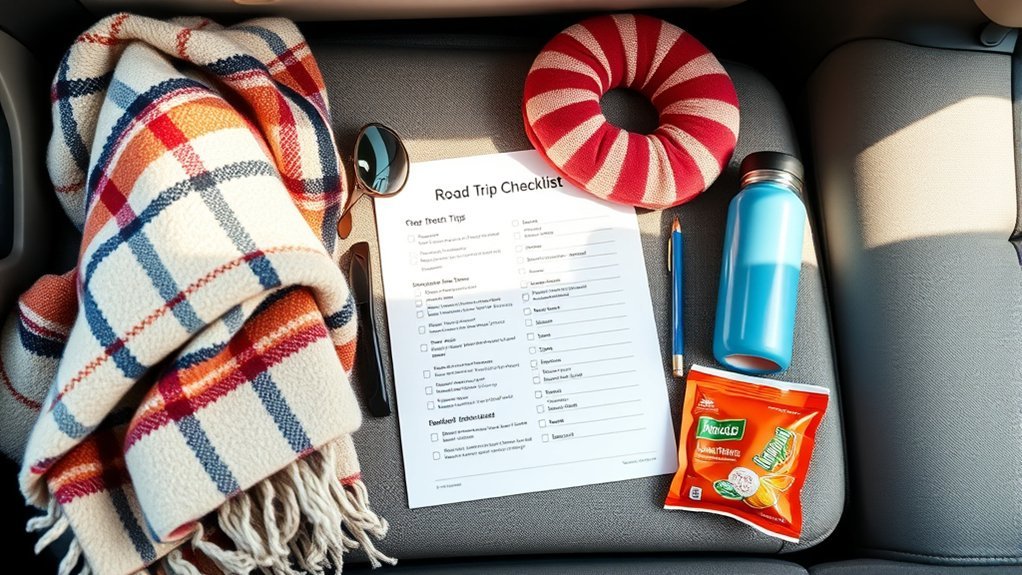
A comfortable cabin helps passengers arrive in a better mood and can reduce avoidable distractions for the driver. Keep the interior organized, leave clear access to seat belts and exits, and avoid packing above the seatbacks unless a cargo barrier or cover secures the load.
Comfortable Seating Arrangements
Adjust seats and head restraints before departure. The driver should be able to reach the pedals and controls without stretching, while passengers should have enough space to sit upright with seat belts positioned correctly.
| Comfort Step | Why It Helps |
|---|---|
| Leave usable personal space | Reduces crowding and keeps seat belts accessible |
| Use a travel pillow that does not alter belt fit | Supports the neck without placing padding under the restraint |
| Adjust seat and head-restraint positions | Supports posture and helps reduce fatigue |
| Use legal, securely attached window shades | Reduces glare and direct sun without blocking the driver’s view |
| Plan regular breaks | Allows movement, restroom stops, hydration, and driver changes |
Entertainment Options Onboard
Create shared playlists, download audiobooks or podcasts, and pack simple travel games such as car bingo, trivia, or storytelling prompts. Tablets and portable players can help on long stretches, but use secure mounts and headphones so screens, cords, and sound do not distract the driver. A travel journal or sketchbook gives passengers a screen-free way to record the trip.
Snack and Hydration Supply
Pack easy-to-handle foods such as nuts, granola bars, dried fruit, whole fruit, crackers, or portioned trail mix. Include protein-rich choices that match each traveler’s dietary needs. Use a cooler with ice packs for foods that require refrigeration, and discard anything that has not stayed at a safe temperature.
Carry enough drinking water for everyone during the planned drive plus extra for delays, heat, or remote areas. Needs vary with age, health, weather, activity, and trip length, so a single daily amount is not right for every traveler. Keep reusable bottles where passengers can reach them without unbuckling.
Essential Tips for Traveling Safely With Pets on Your Road Trip
Pet travel requires more than food and a leash. Health records, secure restraint, temperature control, identification, and destination rules should be handled before departure.
Preparation for Your Pet
Schedule a veterinarian visit when your pet has health concerns, takes medication, becomes carsick, or needs updated vaccinations or travel documents. Requirements for moving a pet between states or territories are set by the destination, so check the current rules through USDA APHIS pet-travel guidance.
- Update the microchip registration and attach an identification tag with a current phone number.
- Use short practice drives and gradually increase trip length.
- Pack food, water, bowls, medications, waste bags, grooming supplies, bedding, vaccination records, and a pet first-aid kit.
- Identify emergency veterinary clinics near overnight stops and the destination.
- Plan frequent, leashed breaks in safe areas away from traffic.
Safety During Travel
Keep pets in the back seat using a properly fitted vehicle harness attached according to its instructions, or place them in a well-ventilated carrier that is secured so it cannot slide or become a projectile. Do not allow a pet to roam, sit on the driver’s lap, or ride with its head outside the window.
| Item | Purpose |
|---|---|
| Spill-resistant water bowl | Provides water during stops with less mess |
| Pet first-aid kit | Supports immediate care until a veterinarian is available |
| Waste bags and cleaning supplies | Keeps stops and the vehicle sanitary |
| Harness or secured carrier | Limits distraction and movement during sudden stops |
| Records and current identification | Helps with treatment, lodging, border checks, and reunification |
Warning: Never leave a pet, child, older adult, or anyone who cannot exit independently alone in a parked vehicle. Cabin temperatures can become deadly quickly, even when the outside weather feels mild or the windows are partly open.
The CDC pet travel guide provides current advice on identification, restraints, supplies, frequent stops, and health planning.
Plan Your Route, Budget, and Daily Driving Schedule
A complete road trip plan covers more than the fastest route. Compare distance, road type, elevation, weather exposure, tolls, fuel or charging availability, parking, and safe overnight stops.
Build a Route With Backup Options
- Download offline maps and write down key addresses and phone numbers.
- Mark fuel or charging stops before long rural stretches. For an electric vehicle, verify connector compatibility, access hours, recent station status, and a backup site.
- Check whether mountain roads, ferries, parks, border crossings, or seasonal routes require reservations, permits, chains, or special equipment.
- Choose a realistic stopping point for each day and avoid planning long final stretches after dark.
- Share major route changes with your emergency contact.
Create a Road Trip Budget
Estimate fuel or charging, lodging, meals, tolls, parking, admission fees, pet charges, and an emergency reserve. Track expenses each day so a small overage does not become a major problem later in the trip.
| Budget Category | What to Include |
|---|---|
| Transportation | Fuel, charging, tolls, parking, ferries, and roadside coverage |
| Lodging | Room rate, taxes, resort fees, deposits, and pet fees |
| Food | Groceries, restaurant meals, snacks, ice, and water |
| Activities | Tickets, permits, rentals, and reservations |
| Emergency Reserve | Unexpected lodging, towing, tire service, medical care, or route changes |
Prepare Children, Older Adults, and Travelers With Medical Needs
Confirm that every passenger has the restraint, medication, mobility equipment, food, and rest schedule they need. Keep essential medical supplies in the cabin rather than buried under luggage.
- Use the correct child restraint for the child’s age, size, and seat instructions. Register the seat for recall notices and review current NHTSA car-seat guidance.
- Pack enough prescription medication for the trip plus a reasonable delay, stored according to the label.
- Bring copies of prescriptions, clinician contact information, and a concise medical or allergy list when appropriate.
- Plan accessible restrooms, lodging, parking, and charging locations for mobility devices.
- Keep canes, walkers, communication devices, oxygen equipment, and other essential aids secured but easy to reach.
Note: Some prescription and over-the-counter medicines can cause drowsiness or slow reaction time. Read the label and ask a pharmacist or clinician before driving if you are unsure.
Printable Road Trip Checklist
Use this final checklist on paper or save it to your phone. Customize it for the season, vehicle, destination, passengers, and pets.
Vehicle
- ☐ Check open recalls by VIN
- ☐ Review maintenance due by time or mileage
- ☐ Check cold tire pressure, tread, and damage
- ☐ Verify spare tire or repair system and tools
- ☐ Inspect brakes and investigate unusual noises or vibration
- ☐ Check specified fluid levels and visible leaks
- ☐ Test battery, lights, signals, horn, wipers, heat, defrost, and air conditioning
- ☐ Confirm charging equipment or fuel plan
Documents and Planning
- ☐ License, registration, insurance, and roadside-assistance details
- ☐ Reservations, permits, toll information, and emergency contacts
- ☐ Primary route, alternate route, offline maps, and weather check
- ☐ Fuel or charging stops, rest breaks, and overnight stops
- ☐ Travel plan shared with a trusted contact
Safety, Health, and Comfort
- ☐ Roadside kit, warning devices, flashlight, and first-aid kit
- ☐ Water, food, medications, hygiene supplies, and chargers
- ☐ Child restraints checked and installed correctly
- ☐ Mobility and medical equipment secured and accessible
- ☐ Pet carrier or harness, records, food, water, and waste supplies
- ☐ Luggage and heavy objects secured
- ☐ Driver rested; medication and alcohol risks reviewed
Frequently Asked Questions
How can I find the best road trip route?
Compare more than distance. Review road type, weather, construction, elevation, tolls, fuel or charging access, rest stops, and overnight options. Use a current navigation app, download offline maps, and save at least one alternate route for closures or severe weather.
What are some fun road trip games for passengers?
Try car bingo, trivia, license-plate spotting, collaborative storytelling, word association, or a destination scavenger hunt. Choose games that do not block the driver’s view, create excessive noise, or require the driver to look at a screen.
How do I manage my budget for a road trip?
Estimate transportation, lodging, food, tolls, parking, activities, and pet fees before leaving. Add an emergency reserve, track spending each day, and compare actual costs with the remaining budget before making optional purchases.
What should I do if my car breaks down?
Move away from traffic when possible, turn on hazard flashers, set the parking brake, and call roadside assistance. Call 911 for a crash, fire, medical emergency, or dangerous stopping location. Do not attempt repairs beside fast traffic or when weather and visibility make the work unsafe.
How can I keep my kids entertained during the trip?
Rotate audiobooks, music, drawing, travel games, snacks, and planned stops instead of relying on one activity all day. Download media in advance, use secure device mounts, and keep cords and loose objects away from the driver and footwells.
How often should I stop on a long road trip?
There is no single interval that fits every driver. Stop before fatigue, discomfort, or urgent restroom needs develop, and change drivers when possible. Pull over promptly if you yawn repeatedly, drift within the lane, miss signs, or struggle to remember the last few miles.
Should I service my vehicle before every road trip?
Not every trip requires a full service, but every long trip deserves an inspection. Follow the owner’s manual and complete maintenance that will come due during the journey. Schedule professional service when warning lights, leaks, worn tires, brake symptoms, starting problems, overheating, or unusual noises are present.
Conclusion
A good road trip checklist protects the experience you are planning. Inspect the vehicle early, correct known problems, pack for delays, secure passengers and pets, and build rest into the route. Before pulling away, make one final walk around the vehicle, confirm that everyone is buckled, set navigation while parked, and give yourself enough time to arrive without rushing.
Sources
- National Highway Traffic Safety Administration — Summer Driving and Road Trip Tips — vehicle inspections, cold tire pressure, tread, fluids, batteries, and trip planning
- National Highway Traffic Safety Administration — TireWise — recommended tire pressure, tread, tire damage, and blowout guidance
- National Highway Traffic Safety Administration — Recall Lookup — VIN and license-plate searches for unrepaired safety recalls
- Ready.gov — Car Safety — emergency car-kit supplies and preparedness
- National Highway Traffic Safety Administration — Drowsy Driving — sleep, fatigue risks, and safe short-term responses
- Centers for Disease Control and Prevention — Pet Travel Safety — pet identification, restraints, supplies, stops, and parked-vehicle safety







Leave a Reply