

Classic car trim levels help explain why two cars with the same model name can have very different equipment, styling, performance, rarity, and market appeal. The challenge is that enthusiasts often use the word “trim” as a catch-all for factory models, series, option packages, engines, and special editions. Understanding those differences is essential before you buy, restore, modify, insure, or sell a collectible vehicle.
Quick Answer
A classic car trim level is a factory-defined version of a vehicle with a particular combination of equipment, styling, and sometimes performance features. However, names such as SS, GT, R/T, RS, Z/28, and Mach 1 may represent a model, series, or option package depending on the year. Always verify the exact factory classification.
Key Takeaways
- A badge is a clue, not proof that a classic car left the factory in that configuration.
- Model, series, trim, package, body style, and engine are related terms, but they are not interchangeable.
- Use model-year-specific factory literature, identification plates, build records, and supporting documents to verify a car.
- A rare or high-performance version may command a premium, but condition, originality, provenance, colors, and documentation also affect value.
- Historic-vehicle tax, inspection, emissions, and road-charging rules vary by location and must be checked separately.
What Are Classic Car Trim Levels?
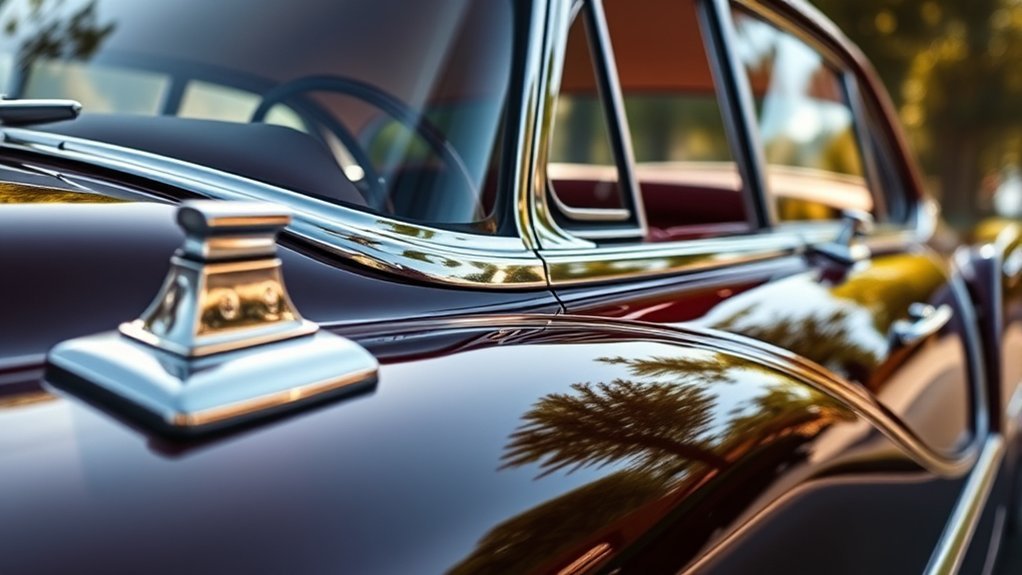
Classic car trim levels are factory-defined versions of a vehicle that differ in standard equipment, interior materials, exterior details, convenience features, or performance hardware. A manufacturer might offer a basic version for value-focused buyers, a better-equipped version for comfort, and a performance or luxury version for buyers who wanted more specialized equipment.
The terminology is not consistent across brands or model years. One manufacturer may call a version a trim level, while another lists a similar configuration as a model series, equipment group, or option package. Enthusiasts often group all of these under the word “trim,” but a serious buyer or restorer should use the factory’s original terminology.
For example, a Chevrolet Impala carrying Super Sport identification may have distinct interior and exterior equipment, but the SS name alone should not be treated as proof of one particular engine. Likewise, Ford Mustang names such as GT, Mach 1, and Shelby identify different types of factory offerings depending on the model year.
For a collector car, the most valuable word is often not SS, GT, or R/T. It is “documented.”
Understanding these distinctions helps you appreciate how a car was originally marketed, determine which components belong on it, and avoid paying a factory-original price for a later clone or tribute.
Trim vs. Model, Series, Package, and Option
Before comparing classic car trim levels, learn the terms most often found in factory literature:
| Term | What It Usually Means | Why It Matters |
|---|---|---|
| Model or series | A distinct vehicle designation within the manufacturer’s lineup. | May have its own body code, VIN designation, pricing, and standard equipment. |
| Trim level | An equipment grade within a model or series. | Can determine upholstery, moldings, instruments, convenience equipment, and standard features. |
| Option package | A group of separately ordered features bundled under one code or name. | A package may add appearance, comfort, handling, or performance equipment without changing the base model. |
| Individual option | One factory-ordered feature, such as an engine, transmission, radio, axle ratio, or air conditioning. | Two cars with the same trim can have very different option combinations. |
| Body style | Coupe, sedan, hardtop, convertible, wagon, fastback, or wheelbase configuration. | A body style is not automatically a higher or lower trim. |
| Powertrain | The engine, transmission, axle, and related mechanical equipment. | An engine size alone does not necessarily identify a trim level. |
| Special edition | A limited or specially marketed configuration, sometimes tied to a color, anniversary, region, or promotion. | Production numbers, included equipment, and authenticity must be verified rather than assumed. |
Note: Factory terminology can change during one model’s production run. Always identify the exact model year, assembly plant, body style, and market before decoding a trim name.
The Importance of Trim Levels in Classic Cars
Classic car trim levels provide historical context. They show how manufacturers divided a vehicle line by price, comfort, luxury, appearance, or performance and how they responded to the buyers of that era.
Performance names such as Camaro Z/28, Mustang GT, Dodge Charger R/T, Pontiac GTO Judge, and Oldsmobile 4-4-2 have strong collector recognition. However, those names did not always represent the same type of factory classification. A designation might be an option package in one year, a separate series in another, or a combination of standard and optional equipment.
Trim information is especially important when you:
- Compare two cars that share the same basic model name.
- Determine whether interior and exterior components are model-year correct.
- Estimate the difficulty and cost of a factory-style restoration.
- Research production rarity and original equipment.
- Decide whether modifications support or reduce your ownership goals.
- Describe the vehicle accurately in an advertisement, appraisal, or auction catalog.
A well-documented performance or luxury version may attract more collector interest than a common base model. That does not mean every higher-specification car is automatically more valuable. A sound, original, fully documented base car can be more desirable than a rusty, incorrectly restored, or poorly documented high-performance example.
Common Categories of Classic Car Trim Levels
Manufacturers organized classic vehicles in many ways, but most versions fit into several broad categories.
Entry-Level and Base Models
Base models usually included the standard engine, simpler upholstery, fewer exterior moldings, basic instruments, and limited convenience equipment. Their lower original price does not make them unimportant. Some base cars are now rare because fewer owners preserved them in factory condition.
Mid-Level and Upgraded Models
Mid-level versions often added improved seat materials, bright exterior trim, upgraded gauges, carpet, additional sound insulation, or convenience equipment. These cars can offer a good balance between period character, comfort, parts availability, and purchase price.
Luxury-Oriented Models
Luxury-oriented versions emphasized premium upholstery, wood or metal interior accents, additional sound insulation, power accessories, special roof treatments, and more elaborate exterior trim. The features should be judged against what was advanced or prestigious during the car’s production period, not against modern technology.
Performance-Oriented Models and Packages
Performance versions could include a stronger engine, different carburetion or fuel delivery, freer-flowing exhaust, heavy-duty cooling, revised suspension, upgraded brakes, special tires, a performance axle ratio, additional gauges, or distinctive styling. The exact equipment varied widely, and some performance packages allowed buyers to choose from more than one engine.
Appearance and Special-Edition Packages
Some packages concentrated on stripes, paint, wheels, emblems, vinyl roofs, spoilers, trim, or interior colors without adding major mechanical changes. A visually dramatic appearance package should not be described as a performance package unless the factory equipment supports that claim.
How to Identify a Classic Car’s Original Trim
Authenticating a classic car requires several pieces of evidence. No single badge, upholstery pattern, or engine component should be relied on by itself.
- Record the complete identification number. Photograph the VIN or serial number exactly as stamped or attached to the car. Check for mismatched fasteners, disturbed rivets, grinding, welding, or altered characters.
- Decode the number with a year-specific source. The standardized 17-character VIN system applies to 1981-and-newer model-year vehicles. Earlier manufacturers used shorter and less consistent formats, so use the correct factory manual, historical archive, or recognized marque documentation.
- Inspect the body, trim, or data plate. Depending on the manufacturer, it may record the body style, assembly plant, paint, upholstery, build date, and selected equipment.
- Search for original build documents. These can include a build sheet, broadcast sheet, window sticker, dealer invoice, order form, warranty card, Protect-O-Plate, owner card, or factory shipping record.
- Compare the car with factory literature. Use brochures, ordering guides, service manuals, parts catalogs, and technical bulletins for the exact model year.
- Check component numbers and dates. Engine, transmission, axle, carburetor, distributor, alternator, and other components may carry casting numbers, stamped codes, or date marks.
- Inspect trim-specific construction details. Look beyond removable emblems. Factory brackets, reinforcement, wiring, brake lines, suspension mounts, exhaust routing, and interior attachment points may provide stronger evidence.
- Compare the documents with the physical car. A genuine document is not useful if its VIN, body number, colors, or equipment do not match the vehicle.
- Use a marque expert for valuable cars. A specialist familiar with the exact generation can identify reproduction tags, restamped components, incorrect fasteners, and model-year inconsistencies.
The GM Heritage Archive provides downloadable vehicle information kits for many historic General Motors vehicles. The Ford Heritage Vault contains factory photographs, brochures, and product literature that can help with model-year research.
For applicable 1981-and-newer vehicles, the NHTSA VIN Decoder can identify information encoded in a standardized 17-character VIN. It should not be treated as a universal decoder for older classic cars because pre-1981 formats vary by manufacturer.
Warning: Emblems, trim tags, identification plates, engines, and paperwork can be replaced, reproduced, or altered. Never represent a clone, tribute, rebody, or restomod as a factory-original high-performance model without documentation that supports the claim.
What Does “Matching Numbers” Mean?
“Matching numbers” is not a universal factory standard. Sellers may use it to mean that the original engine remains in the car, that the drivetrain carries VIN-related stampings, or simply that major components have date codes appropriate for the build period.
Ask the seller to define the term in writing. Then verify:
- Which components are claimed to be original.
- Whether the manufacturer stamped the VIN or a derivative on those components.
- Whether casting and assembly dates reasonably precede the vehicle’s build date.
- Whether stamp fonts, surfaces, and locations match known factory practice.
- Whether replacement service parts have been disclosed.
A period-correct replacement engine may be excellent for driving and still be valuable, but it should not be advertised as the original engine.
How Trim Levels Enhance Vehicle Customization

When these cars were new, trim levels and option lists allowed buyers to choose equipment that matched their budget, style, and intended use. A buyer might select a basic interior with a larger engine, a luxury model with a standard engine, or a performance package combined with selected appearance options.
Today, owners have three broad restoration paths:
- Factory-correct restoration: Returns the car as closely as practical to its documented original configuration.
- Period-correct customization: Uses equipment that was available during the model’s production period, even if it was not originally installed on that specific car.
- Restomod or modernized build: Combines classic styling with modern brakes, suspension, steering, electronics, climate control, or powertrain components.
Each approach can produce an excellent vehicle. The important point is to document the work and describe it accurately.
Diverse Feature Offerings
Classic manufacturers used trims and packages to offer combinations such as:
- Basic vinyl seating or upgraded cloth and leather upholstery.
- Standard instruments or additional gauges and warning indicators.
- Painted exterior details or added brightwork and chrome moldings.
- Bench seats, bucket seats, consoles, or special steering wheels.
- Manual or power-operated accessories.
- Standard wheels or optional wheel covers, styled wheels, and tires.
- Appearance groups such as Rally Sport or similarly named packages.
- Heavy-duty cooling, suspension, brake, or towing equipment.
Feature availability often depended on the body style, engine, transmission, production date, assembly plant, and other selected options. A factory ordering guide is more reliable than assuming that every car with the same badge had identical equipment.
Tailored Performance Options
Performance-oriented versions could change the way a classic car accelerated, stopped, cooled, and handled. Pontiac GTO, Ford Mustang, Chevrolet Camaro, Dodge Charger, AMC Javelin, and similar vehicles were offered with different engine, transmission, axle, brake, suspension, and tire combinations during their production histories.
The Chevrolet Camaro Z/28 is strongly associated with handling and competition-oriented equipment, while RS generally identified an appearance package and SS identified performance equipment during key early years. Those labels should still be researched by model year because package content changed.
Ford Mustang performance offerings included GT equipment and named versions such as Mach 1 and Shelby models. A buyer should not assume that every Mustang GT, Mach 1, or Shelby shared the same brakes, suspension, transmission, axle ratio, or engine.
Choosing a factory-style performance configuration can improve historical accuracy. Choosing modern upgrades can improve drivability and safety. Either approach should account for the entire system rather than adding engine power without suitable cooling, brakes, steering, tires, and chassis condition.
Iconic Classic Cars and Their Trim Variants
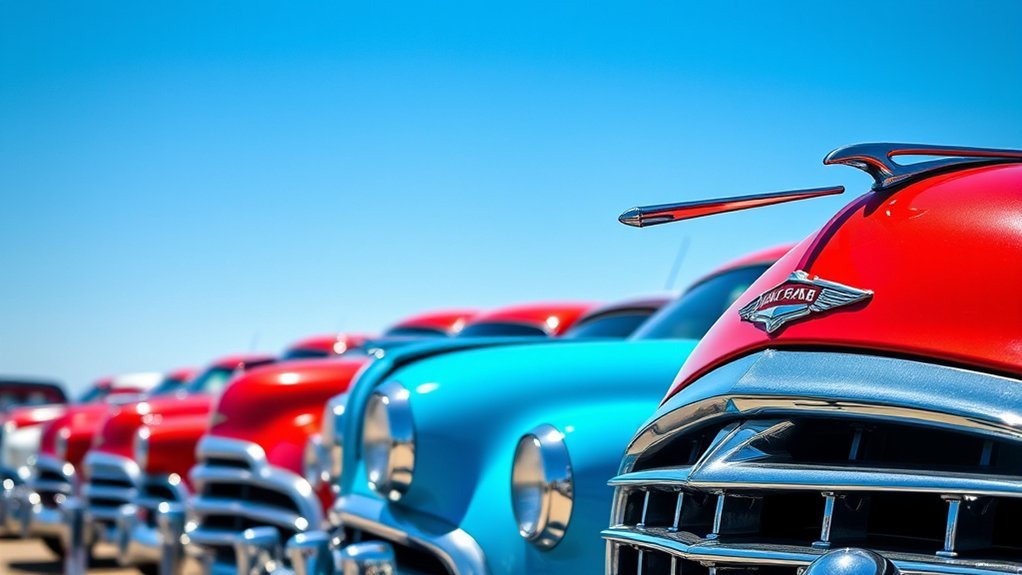
Iconic classic cars demonstrate why factory language must be read in its historical context. The same type of name can identify a package on one car, a distinct series on another, or a body and engine configuration on a third.
Classic Muscle Car Variants
- Pontiac GTO: The GTO name began as an option package within Pontiac’s intermediate line and later became a distinct model series. Engine and equipment choices varied by year. The Judge was a specially marketed GTO package rather than a separate universal trim category.
- Ford Mustang: GT equipment, Mach 1, Shelby GT350, Shelby GT500, and other names identify different factory offerings. Their classifications and standard equipment depend on the model year.
- Chevrolet Camaro: RS, SS, and Z/28 are not interchangeable. RS was primarily appearance-oriented in important early applications, while SS and Z/28 had different performance purposes.
- Dodge Charger R/T: R/T identified a performance-oriented Charger offering, but engine availability and supporting equipment changed throughout production.
- Mercury Cougar XR-7: XR-7 emphasized luxury and distinctive interior equipment. Performance engines and packages could also be ordered in qualifying years.
These vehicles are valuable examples because their badges are familiar, yet the underlying factory equipment can vary substantially.
Vintage Luxury Models
Vintage luxury cars used model names, body styles, wheelbases, and equipment series to create different experiences:
- Cadillac Eldorado: Biarritz and Seville names were used in different ways over the years, including convertible, hardtop, and later package or model designations. The exact year determines the correct classification.
- Mercedes-Benz 600: Standard- and long-wheelbase forms describe major body and wheelbase differences rather than a simple low-to-high trim ladder.
- Jaguar E-Type: The 3.8-liter and 4.2-liter descriptions identify important engine and production-era distinctions, not ordinary trim levels.
- Chrysler New Yorker: Custom, Deluxe, and related wording must be matched to the model year and body style because Chrysler’s series structure changed.
- Ford Thunderbird: Sports Roadster, Landau, hardtop, and convertible terminology may refer to models, body treatments, or option packages depending on the year.
For a luxury classic, original upholstery, woodwork, instruments, plated trim, power accessories, and body-specific components can be expensive to restore. Confirm what belongs on the car before ordering parts.
Pony-Car and Performance Variants
The Mustang, Camaro, Firebird, Javelin, and related vehicles are more accurately described as pony cars or performance-oriented models than as sporty compacts. The Dodge Charger is generally associated with the intermediate or muscle-car category rather than the compact class.
- Ford Mustang: Base models, GT equipment, Mach 1, and Shelby variants.
- Chevrolet Camaro: Base configurations plus RS, SS, Z/28, and combinations permitted in specific years.
- Pontiac Firebird: Base Firebird, Formula, Trans Am, and other year-specific series.
- Dodge Charger: Standard Charger versions, R/T performance offerings, and special packages.
- AMC Javelin: Base, SST, and AMX-related versions whose model relationships changed by year.
The names are useful starting points, but the VIN, body code, factory paperwork, and model-year literature determine what the car actually is.
Key Features and Benefits of Classic Car Trim Levels
Trim and equipment distinctions help buyers compare cars, restorers select correct parts, and owners describe vehicles accurately.
| General Category | Typical Features | Collector Considerations |
|---|---|---|
| Base model | Standard engine and interior, fewer moldings and accessories | Can be affordable, historically honest, and unexpectedly rare in original condition |
| Upgraded model | Improved upholstery, trim, instruments, sound insulation, or convenience features | Often balances comfort, availability, and restoration cost |
| Performance package | Engine, cooling, brakes, suspension, axle, gauges, tires, or exhaust upgrades | Documentation and original components strongly influence credibility |
| Luxury version | Premium materials, additional brightwork, power accessories, and comfort equipment | Complex trim and accessories may be costly to repair or reproduce |
| Special edition | Unique colors, stripes, badges, equipment bundles, or limited production | Production claims and included equipment require factory support |
The benefit of understanding these categories is not simply choosing the “highest” version. It is finding a car whose equipment, history, condition, and restoration needs fit your goals.
How Trim Levels Impact Your Restoration Project
A car’s original configuration affects nearly every part of a restoration. Upholstery patterns, seat frames, door panels, consoles, instruments, moldings, emblems, wheels, suspension pieces, brake components, wiring, and underhood details may differ between versions.
Use this restoration order:
- Document and assess the complete car. Photograph identification plates, stampings, panel gaps, wiring routes, fasteners, decals, finishes, and every component before disassembly.
- Confirm ownership and identity. Resolve VIN, title, and registration concerns before investing heavily in the project.
- Define the restoration goal. Choose factory-correct, period-correct, preservation, driver-quality, or restomod standards.
- Make the vehicle safe to handle. Address fuel leaks, unstable supports, damaged wiring, hazardous fluids, weakened tires, and structural corrosion.
- Disassemble methodically. Label, photograph, bag, and inventory every part. Keep left- and right-side components separate.
- Repair the structure and body. Correct chassis damage, rust, mounting points, and panel alignment before final paint.
- Rebuild mechanical systems. Coordinate the engine, transmission, axle, cooling, fuel, steering, suspension, and brakes as one system.
- Restore electrical and interior systems. Test wiring and accessories before permanently installing finished upholstery and trim.
- Complete paint, plating, and cosmetic work. Match documented colors and finishes if factory accuracy is the goal.
- Reassemble, align, and test. Use staged inspections, fluid checks, brake testing, wheel alignment, short road tests, and final fastener checks.
Pro Tip: Photograph each component in place before removing it, then attach a label that includes the car’s VIN, the component location, and the removal date. Good documentation can save hours during reassembly and support the vehicle’s future history file.
Restoring the original trim can support authenticity, but only when the original configuration is known. Installing reproduction SS, GT, R/T, or luxury equipment on a base car creates a tribute or clone; it does not change the car’s factory identity.
Trim Levels and Their Influence on Resale Value
Trim level can influence resale value, but it is one part of a larger valuation picture. A documented performance model or low-production luxury version may attract more buyers than a common base configuration. Its premium is not guaranteed.
Collector value commonly depends on:
- Authenticity: Whether the car’s identity and equipment match reliable factory records.
- Condition: Structural integrity, mechanical health, paint, bodywork, interior, and workmanship.
- Originality: Retention of original body panels, drivetrain, interior, finishes, and components.
- Documentation: Build records, invoices, ownership history, service records, photographs, and restoration receipts.
- Provenance: Significant owners, competition history, documented events, or recognized historical importance.
- Rarity: Production volume and the number of verified surviving examples.
- Configuration: Engine, transmission, body style, colors, options, and regional specification.
- Quality of restoration: Accuracy, craftsmanship, fit, finish, and mechanical sorting.
- Market demand: Current collector interest, generational tastes, and recent comparable sales.
A rare trim with missing identification, major rust, incorrect components, and weak paperwork may be less valuable than a common version in exceptional documented condition. Conversely, an honest tribute can be an enjoyable driver when it is priced and represented as a tribute.
Clone, Tribute, and Restomod Value
A clone or tribute is a lower-specification car modified to resemble a more desirable factory version. A restomod combines classic appearance with modern mechanical or comfort upgrades.
These vehicles can have real market value, but their value comes from condition, workmanship, components, and driving experience—not from the production rarity of the factory model they resemble. Accurate disclosure protects both buyer and seller.
Tips for Successful Classic Car Auctions
Whether you are buying or selling, a successful classic car auction requires more than attractive photographs and recognizable badges.
Before Buying
- Read the full catalog description and identify every qualified phrase, such as “believed to be,” “period-correct,” or “represented as.”
- Request photographs of the VIN, data plate, body tag, engine pad, transmission code, axle code, and supporting documents.
- Compare those items with model-year-specific factory literature.
- Arrange an independent inspection whenever the auction permits it.
- Check the title status, VIN consistency, liens, and applicable registration requirements.
- Use an approved National Motor Vehicle Title Information System provider when the vehicle and available records are covered.
- Remember that very old title, odometer, theft, and repair records may be incomplete.
- Set a maximum bid that includes buyer’s premium, taxes, transport, immediate repairs, storage, and registration.
Before Selling
- Describe the factory model, trim, packages, engine, and modifications separately.
- Disclose replacement engines, reproduction tags, rebody work, structural repairs, and non-original trim.
- Organize ownership documents, restoration photographs, receipts, manuals, and judging records.
- Correct fluid leaks, unsafe tires, weak brakes, electrical faults, and obvious mechanical problems.
- Photograph identification numbers and important components clearly.
- Avoid unsupported production totals or “one of one” claims.
- Use recent sales of genuinely comparable cars rather than asking prices alone.
Clear documentation builds bidder confidence. Overstated claims can have the opposite effect, even when the car itself is attractive.
Choosing the Best Trim Level for Your Classic Car
The best trim level depends on how you plan to use the car and how much restoration risk you are willing to accept.
Choose Based on Your Goal
- Regular driving: Prioritize mechanical condition, parts availability, cooling, brakes, comfort, and ease of service.
- Factory restoration: Prioritize complete identification, original components, documentation, and access to correct reproduction parts.
- Shows and judging: Research model-year finishes, fasteners, markings, date codes, and assembly details before buying.
- Performance driving: Evaluate the complete brake, steering, suspension, cooling, tire, and safety system—not just horsepower.
- Long-term collecting: Favor authenticity, provenance, quality, rarity, and a configuration with sustained collector interest.
- Restomod ownership: Judge engineering quality, parts support, serviceability, wiring, fabrication, and documentation.
Do not assume the most expensive or powerful version is automatically the right choice. A Chevrolet Impala SS, Pontiac GTO, Oldsmobile 4-4-2, Ford Mustang performance model, or similar high-profile car may have stronger name recognition, but it can also carry higher purchase prices, restoration costs, insurance costs, and authentication risk.
Compare several examples of the same model. Review factory specifications, inspect the cars in person, and estimate the total cost of reaching your desired condition. The best purchase is usually the most complete, honest, structurally sound car that fits your intended use.
Historic-Vehicle Rules and London Charges
The legal definition of a classic or historic vehicle varies by country, state, tax system, insurer, and road-charging program. A vehicle can qualify as historic for one purpose without receiving an exemption from another charge.
In the United Kingdom, vehicles built before January 1, 1986 can be eligible for the historic vehicle tax class from April 1, 2026, subject to the official rules and application process. A qualifying vehicle may also be exempt from annual MOT testing if it meets the age requirement and has not been substantially changed, but it must remain roadworthy.
London’s charging schemes must be checked separately:
- Congestion Charge: Being over 40 years old does not automatically give a privately owned classic car a blanket exemption. Check the current TfL Congestion Charge discounts and exemptions.
- Ultra Low Emission Zone: Vehicles over 40 years old that are successfully registered with the DVLA in the historic vehicle tax class may qualify for a ULEZ exemption. Non-UK vehicles may need to be registered with TfL before entering the zone.
- Vehicle tax: Historic-tax eligibility follows the rolling construction-date rules published by the UK government.
- MOT: Age alone is not the only consideration; substantial modifications can affect eligibility.
Note: Check your registration number with the relevant authority before travel. Do not assume that vehicle-tax, MOT, ULEZ, Congestion Charge, parking, or insurance rules use the same definition of “historic.”
Sources
- GM Heritage Archive: Vehicle Information Kits — factory reference material for model-year equipment and specifications.
- Ford Heritage Vault — historic factory brochures, photographs, and vehicle literature.
- National Highway Traffic Safety Administration VIN Decoder — standardized VIN information for applicable vehicles.
- National Motor Vehicle Title Information System — consumer guidance on title, odometer, brand, and theft-history information.
- Transport for London: Discounts and Exemptions — current Congestion Charge and related London road-charging guidance.
- GOV.UK: Historic Vehicles — current UK vehicle-tax and MOT-exemption eligibility.
Frequently Asked Questions
What are the different classic car trim levels?
Common categories include base, upgraded, luxury, performance, appearance-package, and special-edition versions. These are broad descriptions rather than universal factory terms. Check the manufacturer’s literature for the exact model year because a named version may be a trim, model series, or option package.
Is a trim level the same as an option package?
Not always. A trim level usually identifies an equipment grade within a model. An option package is a group of features added to an eligible model or trim. Names such as RS, SS, GT, R/T, Z/28, or Mach 1 must be researched by model year because their factory classification can differ.
How do I verify a classic car’s original trim?
Compare the VIN or serial number, data plate, body tag, paint and upholstery codes, build documents, component numbers, and physical construction details with model-year-specific factory literature. Badges and upholstery alone are not proof. For a valuable vehicle, arrange an inspection by a specialist familiar with that exact model and generation.
Does a higher trim level always make a classic car more valuable?
No. A documented performance or luxury version may command a premium, but condition, originality, provenance, body style, colors, drivetrain, restoration quality, and current demand also matter. A high-trim car with serious rust or questionable identification can be worth less than an excellent documented base model.
Are cars over 40 years old exempt from London’s Congestion Charge?
No blanket exemption applies merely because a private car is over 40 years old. Historic-tax-class vehicles may qualify for a separate ULEZ exemption, but the Congestion Charge is a different scheme. Check the vehicle against TfL’s current Congestion Charge and ULEZ rules before driving in London.
What is the correct order for restoring a classic car?
Begin with documentation, identity checks, a complete condition assessment, and a defined restoration goal. Make the car safe, disassemble it methodically, repair the structure and body, rebuild coordinated mechanical systems, restore electrical and interior components, complete paint and trim, then reassemble, align, test, and document the finished vehicle.
Conclusion
Classic car trim levels reveal how manufacturers combined style, comfort, performance, and price for different buyers. They can also affect restoration difficulty, collector interest, and market value. The badge on the fender is only the beginning of the story.
Identify the exact model year, learn the manufacturer’s terminology, compare the car with factory records, and verify its physical components before making a major purchase or restoration decision. Whether you choose a base model, luxury version, documented performance car, tribute, or restomod, honest documentation and sound condition will make the vehicle more enjoyable to own and easier to value.







Leave a Reply