

JDM classics are automotive gems that showcase unique engineering and cultural significance. From the iconic Nissan Skyline GT-R to the lightweight Toyota AE86, these cars have shaped motorsports and car culture worldwide. You’ll find modifications that enhance performance, making them stand out even more. If you’re thinking about importing or maintaining a JDM classic, there are essential considerations and trends to know. Keep exploring to uncover the finer points and hidden treasures of the JDM community.
Understanding JDM: What Makes These Cars Unique
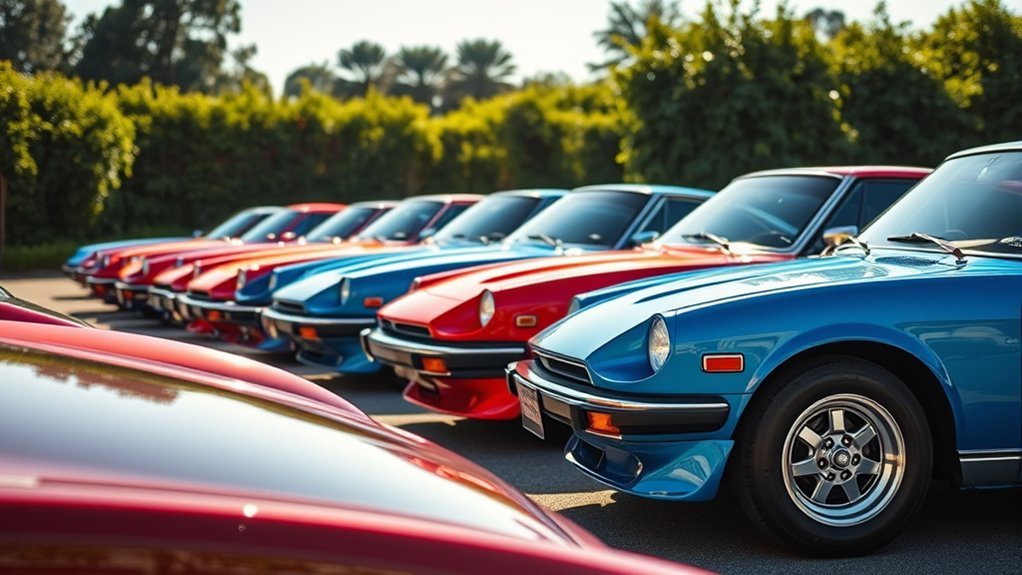
When you plunge into the world of JDM (Japanese Domestic Market) cars, you’ll quickly notice what sets them apart from their counterparts: a blend of unique specifications tailored to local tastes and rigorous regulations.
JDM history reveals a commitment to high-performance engineering, exemplified by models like the Nissan Skyline GT-R with its RB26DETT engine, capable of 320 horsepower. You’ll also discover the Toyota Supra MK4, renowned for its tuning potential, where the 2JZ-GTE engine can exceed 1,000 horsepower in modified versions.
These cars often emphasize lightweight design and agile handling, with the Mazda RX-7 FD3S showcasing its high-revving 13B rotary engine.
This focus on performance tuning not only enhances driving pleasure but has also led to a vibrant global community of enthusiasts. The cultural impact of JDM cars, including icons like the Honda Civic Type R and Mitsubishi Lancer Evolution, continues to inspire passion and innovation in automotive circles worldwide.
The Cultural Significance of JDM Cars in Motorsports
While many car enthusiasts admire the sleek designs and engineering prowess of JDM vehicles, their true cultural significance lies in their profound impact on motorsports. Iconic models like the Nissan Skyline GT-R and Subaru Impreza WRX have dominated racing circuits globally, while the Toyota AE86 became the “holy grail” of drifting, igniting JDM nostalgia and passion for the sport.
Here’s a glimpse into the cultural milestones of JDM cars:
| JDM Icon | Cultural Impact |
|---|---|
| Nissan Skyline | Dominated professional racing |
| Subaru WRX | Rally racing powerhouse |
| Toyota AE86 | Popularized drifting |
| Mitsubishi Lancer Evo | Rally champion legacy |
| Drift Legends | Innovators like Daigo Saito |
These vehicles not only showcase advanced engineering but also represent a lifestyle, influencing popular culture and uniting enthusiasts through shared JDM aesthetics.
The Top 15 Iconic JDM Cars and Their Features
The world of JDM cars is graced by numerous iconic models that have left an indelible mark on automotive culture.
Take the 2008 Honda Civic Mugen RR, a limited edition with only 300 units produced, showcasing JDM innovations through extensive Mugen modifications that elevate its performance far beyond typical USDM variants.
Then there’s the 1996 Toyota Supra RZ, flaunting aggressive styling and performance upgrades like an HKS intercooler, making it a quintessential JDM classic.
The 1996 Nissan 180SX Type X, designed for drifting, combines a custom exhaust and HKS turbo, highlighting both performance and aesthetics.
And who can forget the legendary Nissan Skyline GT-R (R32), powered by the RB26DETT engine? Its ATTESA E-TS all-wheel-drive system cements its status in motorsport.
Finally, the lightweight Toyota AE86, revered in drifting culture, offers a balanced chassis that stirs up JDM nostalgia among enthusiasts.
Upgrading Your JDM Classic Performance
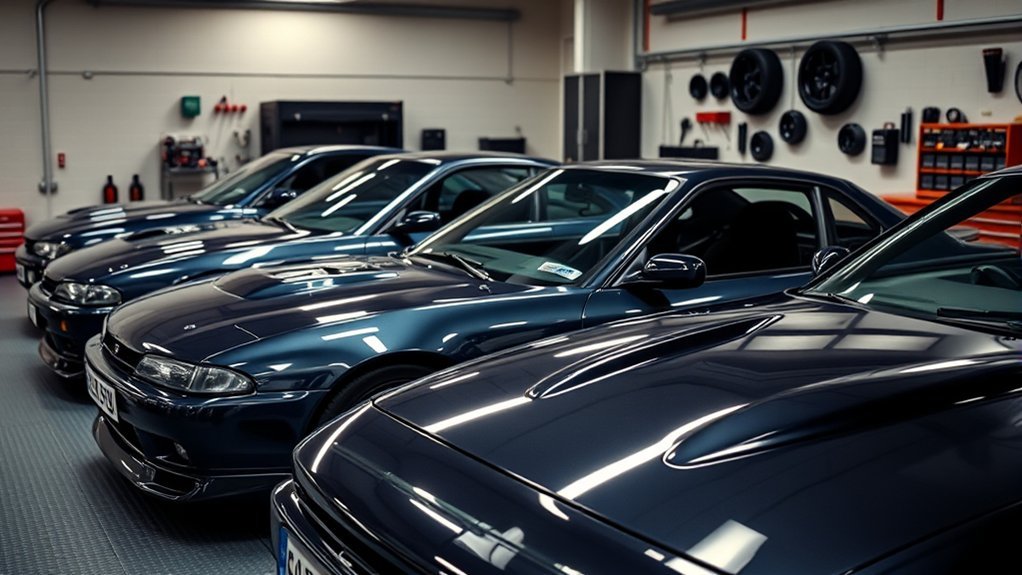
Releasing the full potential of your JDM classic requires strategic upgrades that enhance both performance and driving experience.
Start by considering performance parts like the HKS GTSS turbo for your 1996 Nissan 180SX Type X, which can notably boost horsepower and torque, perfect for drifting enthusiasts. For your 2000 Mazda RX-7, an efficient V-mount intercooler setup will improve airflow and cooling during intense track sessions.
Enhance your JDM classic’s performance with the HKS GTSS turbo and a V-mount intercooler for unbeatable power and cooling.
Upgrading to a Cusco Hyper single clutch will provide sharper power transfer and quicker gear changes.
Moreover, adding a NISMO Super Carbon twin-clutch flywheel to your Nissan Silvia (S14) reduces rotational mass, enhancing throttle response.
Finally, replacing stock coilovers with Cusco ZERO-3 coilovers on a 1993 Mazda RX-7 allows you to customize ride height and damping, tailoring your handling dynamics.
What You Need to Know About Importing JDM Cars?
Have you ever considered diving into the world of importing JDM cars? Before you take the plunge, you need to understand the import regulations that govern these unique vehicles. In the U.S., cars must be at least 25 years old to bypass stringent safety and emissions standards.
You can purchase JDM vehicles from licensed importers or directly from Japanese auctions, but be prepared to navigate shipping logistics and customs clearance. Costs can vary widely based on model, condition, and rarity, so thorough research is essential before making a commitment.
Working with professional importers can simplify the process, ensuring compliance with legal requirements and helping with paperwork.
Keep in mind that JDM models often have unique specifications that may differ from their U.S. counterparts, impacting maintenance and parts availability. Understanding these factors can free you to enjoy your JDM classic without unnecessary headaches.
Finding Your Perfect JDM Car: A Comprehensive Buying Guide
How do you find the perfect JDM car to suit your style and driving preferences? Start by ensuring the vehicle is at least 25 years old to comply with import regulations. Research your desired model to understand its performance and common issues. A buyer’s checklist can help streamline your search:
| Feature | Importance | Notes |
|---|---|---|
| Age | Legal Requirement | Must be 25 years or older |
| Tuning Potential | Performance | Research aftermarket options |
| Importer Reputation | Reliability | Choose reputable dealers |
| Total Costs | Budgeting | Include shipping and taxes |
| Community Support | Advice | Engage in forums for tips |
Work with experienced importers to navigate customs and compliance. Don’t hesitate to tap into online communities for insights and recommendations from fellow enthusiasts. Your perfect JDM car is out there—go find it!
JDM Communities: Connecting With Fellow Enthusiasts
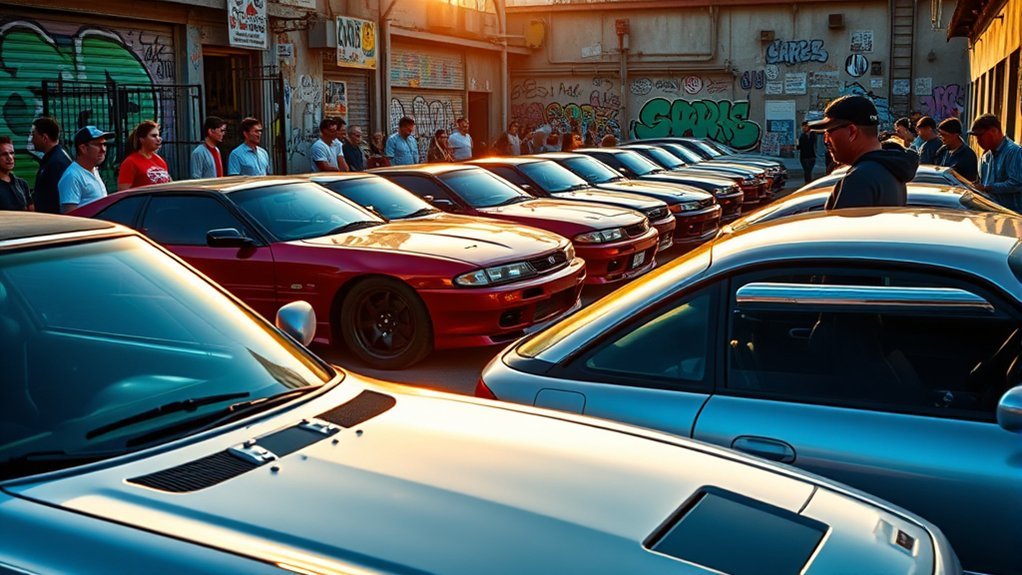
Connecting with fellow JDM enthusiasts can greatly enhance your experience in this vibrant community.
Online forums and social media groups offer a platform to share your projects and learn from others, while local meetups and events allow you to showcase your ride and build lasting friendships.
Engaging with these communities not only fuels your passion but also opens doors to invaluable knowledge and resources.
Online Forums and Groups
Online forums and groups dedicated to JDM cars create vibrant spaces where enthusiasts can share their passion, knowledge, and experiences.
These platforms, like JDM Forums and Nissansilvia.com, offer insights into specific models, tuning tips, and troubleshooting advice. By understanding forum etiquette, you can contribute effectively and enhance group dynamics, fostering a supportive community.
Social media platforms, including Facebook groups and Reddit’s r/JDM, amplify these connections, allowing you to showcase your builds and stay updated on trends.
Engaging in these communities not only boosts your knowledge about JDM cars but also opens doors to rare parts and trading opportunities.
Embrace the liberation of sharing your journey with fellow enthusiasts who understand your love for JDM culture.
Local Meetups and Events
While diving into the world of JDM cars, local meetups and events become essential for enthusiasts enthusiastic to connect and share their passion.
These gatherings often feature organized car shows, drift events, and tuning competitions, allowing you to showcase your vehicle and network with fellow fans. Regular JDM car meets in many cities promote community engagement, where you can exchange knowledge on modifications and performance upgrades.
Online platforms and social media groups facilitate event planning, ensuring you stay informed about upcoming activities. Events like JDM-specific car shows even offer awards for categories like “Best Build,” fostering friendly competition and creativity within the culture.
Attending these meetups enhances your understanding of maintenance and industry trends, making them invaluable experiences.
Current Trends and Future Directions in JDM
As the automotive landscape evolves, the influence of electric and hybrid vehicles is reshaping the JDM scene, prompting manufacturers to adapt to stricter emissions regulations without compromising on performance.
This shift is creating exciting opportunities for both collectors and enthusiasts.
Here are some current trends shaping the future of JDM:
- Electric Vehicle Trends: More manufacturers are integrating electric power into classic designs.
- Collector Market Expansion: The demand for iconic models like the Nissan Skyline GT-R is surging.
- Online Marketplaces: Platforms specializing in JDM imports are booming, connecting buyers globally.
- Media Influence: Films like “The Fast and the Furious” keep JDM classics in the spotlight, fueling interest among youth.
- Tuning Culture: Enthusiasts continue to modify their cars for unique aesthetics and performance.
With these directions, the JDM community is evolving, promising vibrant futures for both classic and modern enthusiasts alike.
Maintenance Tips for Your JDM Car Classic
Maintaining your JDM classic is vital for preserving its performance and longevity.
Regular oil changes, along with diligent tire maintenance and brake inspections, can help you avoid costly repairs down the road.
Regular Oil Changes
Regular oil changes are essential for preserving the engine health of your JDM classic, especially since these vehicles often come with unique performance demands.
To keep your engine running smoothly, consider the following tips:
- Change oil every 5,000 to 7,500 miles, adapting to your driving conditions.
- Use high-quality synthetic oil for enhanced lubrication and heat resistance, maximizing synthetic benefits.
- Always check your owner’s manual for specific oil viscosity and specifications.
- Replace the oil filter with each oil change to trap contaminants effectively.
- Maintain a log of oil changes and service history to boost your car’s value.
Tire Maintenance Practices
To guarantee your JDM classic performs at its best, tire maintenance should be a top priority. Regularly check your tire pressure at least once a month, ensuring it meets manufacturer’s recommendations. This optimizes performance and fuel efficiency. Use the penny test to inspect tread depth; replace tires when they reach 2/32 of an inch or less for safe traction. Rotate your tires every 5,000 to 8,000 miles for even wear, and keep them aligned and balanced to enhance handling. When storing your vehicle, inflate tires to the recommended pressure to prevent flat spots.
| Maintenance Task | Frequency |
|---|---|
| Check Tire Pressure | Monthly |
| Inspect Tread Depth | Monthly |
| Rotate Tires | Every 5,000-8,000 miles |
| Align & Balance Tires | As needed |
Brake Inspection Frequency
Tire maintenance guarantees your JDM classic runs smoothly, but don’t overlook the importance of brake inspections.
To keep your ride safe and performing at its best, adhere to a regular inspection schedule. Here’s what you should do:
- Inspect brake pads every 6 months or 5,000 miles; replace them when they’ve less than 3mm of material left.
- Check brake fluid levels and replace the fluid every 2 years to avoid moisture contamination.
- Examine brake lines for leaks or corrosion at least once a year.
- Verify calipers and rotors are assessed during routine maintenance to identify uneven wear.
- Stay vigilant about brake performance, as these components are vital for your driving freedom.
Frequently Asked Questions
What Is the 25 Year Rule for Japanese Cars?
The 25 Year Exemption allows you to import Japanese cars over 25 years old without modern safety regulations. This classic car regulation helps you access unique vehicles, preserving automotive history and enriching your driving experience.
What JDM Cars Are Considered Classics?
Did you know that classic JDM performance cars often appreciate in value by 10% yearly? Iconic JDM designs like the Toyota AE86 and Nissan Skyline GT-R R32 define this thrilling automotive legacy, enchanting enthusiasts worldwide.
What Is the 3 Year Rule for Cars in Japan?
The 3 Year Rule in Japan mandates vehicle inspections every three years. You’ll find import regulations influence this, as many owners sell before inspections to dodge costs, leading to a dynamic market for well-maintained vehicles.
What Is the Rarest JDM?
The rarest JDM car is the 1997 Nissan Skyline GT-R Nismo Z-Tune. Its limited production fuels collector demand, highlighting JDM rarity and the allure of owning a piece of automotive history that few can possess.
Conclusion
As you explore the world of JDM classics, remember the thrill of driving, the joy of community, and the pride of ownership. Whether you’re upgrading performance, steering through the import process, or connecting with fellow enthusiasts, each step deepens your appreciation for these iconic cars. Embrace the culture, cherish the craftsmanship, and enjoy the journey. Your passion fuels the legacy of JDM, ensuring these remarkable vehicles continue to inspire generations of drivers and collectors alike.







Leave a Reply